



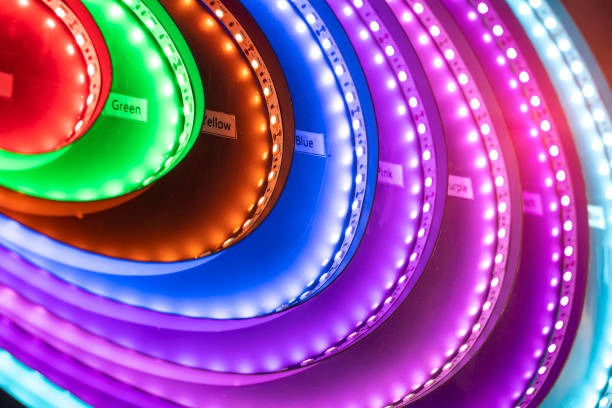
LED strip lighting has become a practical solution for many commercial and industrial environments. From illuminating work areas and product displays to highlighting architectural features, flexible LED lighting offers a wide range of applications. However, selecting the right lighting solution requires more than comparing prices. Buyers should consider the intended environment, brightness requirements, product design, installation conditions, and long-term reliability.
Working with an experienced Industrial LED strip light supplier can help businesses identify suitable lighting options for their projects and avoid common sourcing mistakes.
Understanding the Lighting Requirements of Industrial Projects
Industrial lighting projects often have different requirements from ordinary residential installations. Warehouses, production facilities, workshops, commercial buildings, and industrial showrooms may need lighting for different purposes.
Before selecting LED strips, buyers should identify where the lights will be installed and what they are expected to achieve. For example, general illumination may require a different product design from decorative accent lighting or signage backlighting.
Important considerations include:
Installation environment: Indoor, outdoor, humid, or exposed locations may require different protection levels.
Lighting consistency: Uniform brightness helps create a professional and comfortable visual environment.
Power requirements: The LED strip and its power supply must be compatible.
Installation space: Available dimensions can influence the type and size of strip selected.
Maintenance access: Products installed in difficult-to-reach areas should be selected with long-term maintenance in mind.
Defining these requirements before purchasing can make the sourcing process more efficient.
Different LED Strip Types for Different Applications
Not every LED strip is designed for the same purpose. Understanding the available options helps buyers select products that match their project requirements.
2835 LED Strips for General Lighting
2835 LED strips are commonly used for general lighting applications, including rooms, shelves, and cove lighting. They can be considered for projects where practical and consistent illumination is more important than complex lighting effects.
5050 RGB LED Strips for Decorative Projects
5050 RGB LED strips provide colorful lighting for decoration, events, and entertainment environments. They are suitable for applications where changing colors and creating different visual effects are important.
High-Density LED Strips for Continuous Illumination
High-density LED strips are designed to provide a more continuous and uniform appearance. They can be useful in installations where visible gaps between light points would affect the final result.
3014 LED Strips for Narrow Spaces
The slim design of 3014 LED strips makes them suitable for narrow spaces and detailed lighting installations. They can be considered for furniture, display features, and other areas with limited installation space.
Silicone Neon LED Strips for Decorative Features
Silicone neon LED strips offer a flexible neon-style appearance. They can be used for signs, building facades, and decorative installations where a distinctive lighting effect is required.
Why Customization Matters in LED Lighting
Industrial and commercial projects do not always follow standard dimensions or installation requirements. Some businesses need particular strip designs, lighting effects, or product configurations to match their project specifications.
This is where customization becomes valuable. A Custom LED strip lights supplier can help buyers explore suitable product options for different applications.
Customization may involve selecting an appropriate LED strip type, choosing between available lighting colors, considering waterproof requirements, and identifying compatible control systems. Buyers should communicate their technical requirements clearly so the supplier can recommend an appropriate solution.
For businesses managing multiple projects, OEM and ODM services can also be useful when developing lighting products for specific applications or business requirements.
The Importance of Waterproof Protection
Environmental conditions can have a major impact on LED strip selection. Products installed in outdoor or humid environments may need additional protection against water and dust.
IP65 and IP68 rated LED strips are among the options used for outdoor and demanding installation environments. The appropriate protection level depends on the actual installation conditions.
For example, outdoor landscape lighting may require a different level of protection from indoor shelf lighting. Buyers should confirm the product's protection rating and installation requirements before placing an order.
It is also important to check whether the connections, accessories, and power supply are suitable for the environment. Choosing a waterproof strip alone does not automatically make the entire lighting installation waterproof.
Choosing a Reliable Power Supply and Controller
An LED strip installation depends on more than the lighting strip itself. The power supply must provide a suitable and stable output for the selected product.
An unsuitable or unstable power supply can contribute to flickering, overheating, and reduced component life. Buyers should therefore confirm voltage and power compatibility before installation.
Controllers are another important part of many lighting projects. Depending on the product and application, smart controllers can provide options for adjusting brightness, colors, and lighting modes. RF remote and app-based control options can make lighting management more convenient.
Before purchasing, check that the controller supports the selected LED strip and that its electrical ratings meet the installation requirements.
What Buyers Should Check Before Placing a Bulk Order
Purchasing LED strips in bulk requires careful evaluation. A low initial price may not represent the best overall value if the products do not meet the project's requirements.
Consider checking the following points:
Product specifications: Confirm the LED type, voltage, power requirements, and available configurations.
Protection rating: Make sure the product is suitable for its intended indoor or outdoor environment.
Quality control: Ask about the supplier's quality inspection procedures.
Customization options: Confirm whether the supplier can support the required product configuration.
Technical assistance: Check whether support is available for product selection and installation questions.
Delivery arrangements: Discuss production schedules, packaging, and shipping expectations before confirming the order.
Requesting product information and samples where appropriate can help buyers evaluate suitability before committing to a larger purchase.
Final Thoughts
Selecting LED strip lighting for industrial and commercial projects requires attention to product design, installation conditions, electrical compatibility, and environmental protection. Different LED types serve different purposes, so buyers should begin with clearly defined project requirements rather than choosing products based only on appearance or price.
A supplier offering a range of LED strip options, technical support, and OEM or ODM services can make the sourcing process more straightforward. Careful product evaluation and clear communication are essential steps toward achieving reliable lighting results for industrial and custom projects.





