



Damp is one of those issues that can develop quietly in the background without you even realizing what is going on until it becomes all too obvious, and then you have a big problem on your hands, right?
This is not good because damp can affect how your home looks, how it feels, how it smells, and even how healthy it is, as well as how structurally sound it is. The good news? Damp is often preventable if you take the right approach right from the off…
Know the different types of damp
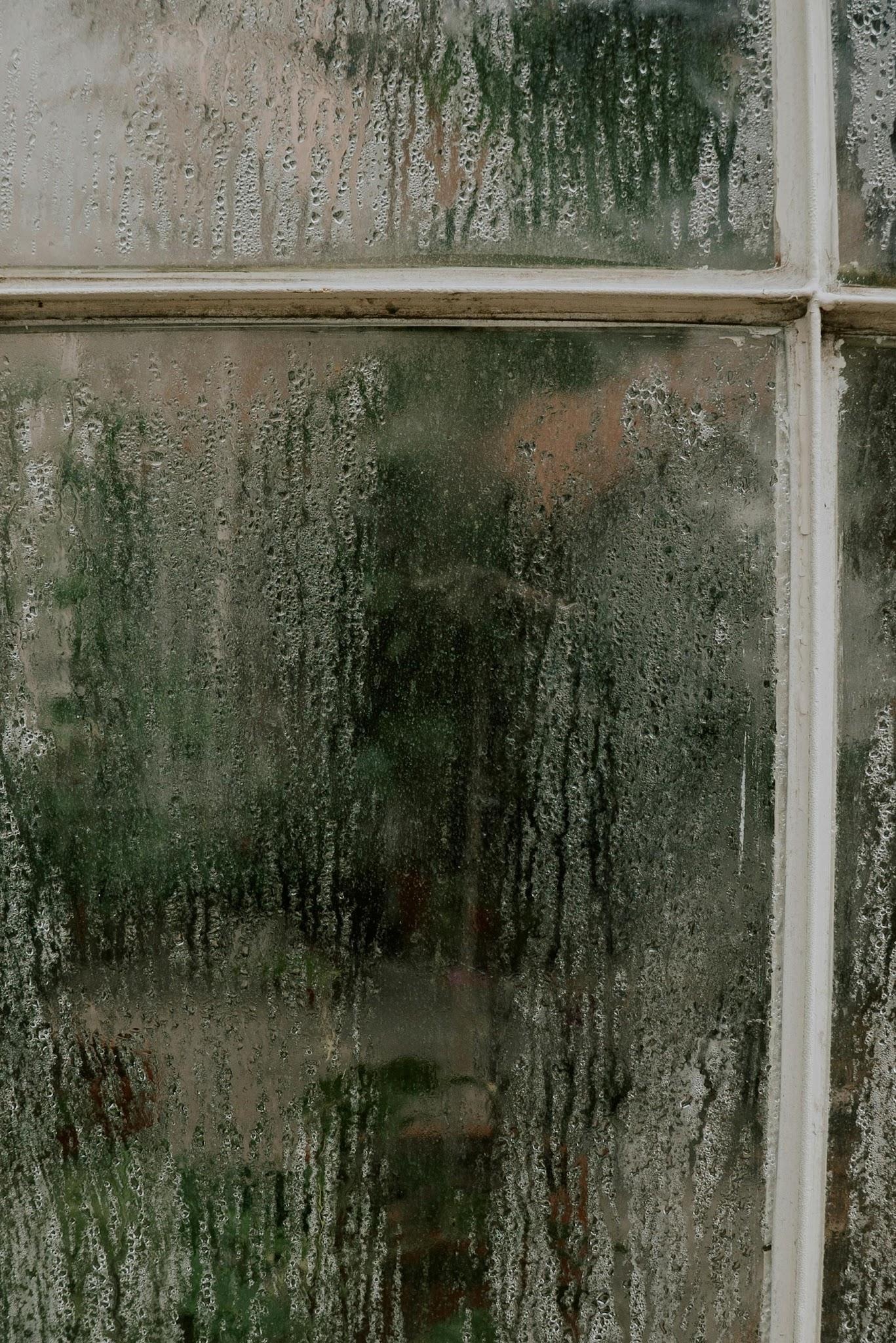
Not all damp is the same. Condensation, rising damp, and penetrating damp each have different causes. Condensation usually appears as moisture on windows or walls, often in kitchens and bathrooms. Rising damp comes from moisture moving up through walls, while penetrating damp is caused by water entering from outside.
Understanding the type of damp you are dealing with helps you choose the right solution.
Improve air circulation
Poor airflow is a common cause of damp in a property, especially in the form of condensation. So making simple changes like opening windows regularly, using extractor fans, and keeping internal doors open, all of which improve ventilation, are simple ways to help prevent mold and damp from taking hold.
When you do these things, moisture is allowed to escape instead of settling on surfaces, and that can make all the difference.
Keep an eye on external walls
Your home’s exterior plays a big role in keeping moisture out. Cracks, damaged render, or worn brickwork can allow water to seep in. Regularly checking and maintaining these surfaces helps prevent problems before they develop. A well-maintained exterior acts as a barrier against damp.
Pay attention to gutters and drainage
Blocked or damaged gutters can very quickly lead to water running down your property’s walls instead of being directed away as it should be.
As time goes by, this could cause damp patches or even structural issues to appear, so it is fair to say that keeping your gutters clear at all times and ensuring your property has proper drainage is vital, so don’t let it be one of those tasks that gets overlooked.
Check your roofing
Your roof is one of the most important defences against damp. Issues with roofing, such as missing tiles or damaged areas, can allow water to enter your home. Even small problems can lead to bigger issues if not addressed quickly.
Regular inspections and maintenance help keep your roof in good condition and prevent moisture from getting inside.
Manage indoor moisture
Everyday activities like cooking, showering, and drying clothes can all add moisture into the air, but there are some things you can do to mitigate against this, such as placing lids on pots when cooking, line drying clothes if you can, and using dehumidifiers to remove the moisture these activities are pumping in.
Damp happens, but it is not inevitable, and if you stay on top of your property’s moisture control, you can keep it at bay and prevent it from ruining your building.





