



Building multi-unit rental property used to imply one thing: outside money. Private equity, pension funds, or large development partners with long timelines and rigid expectations. That assumption no longer holds.
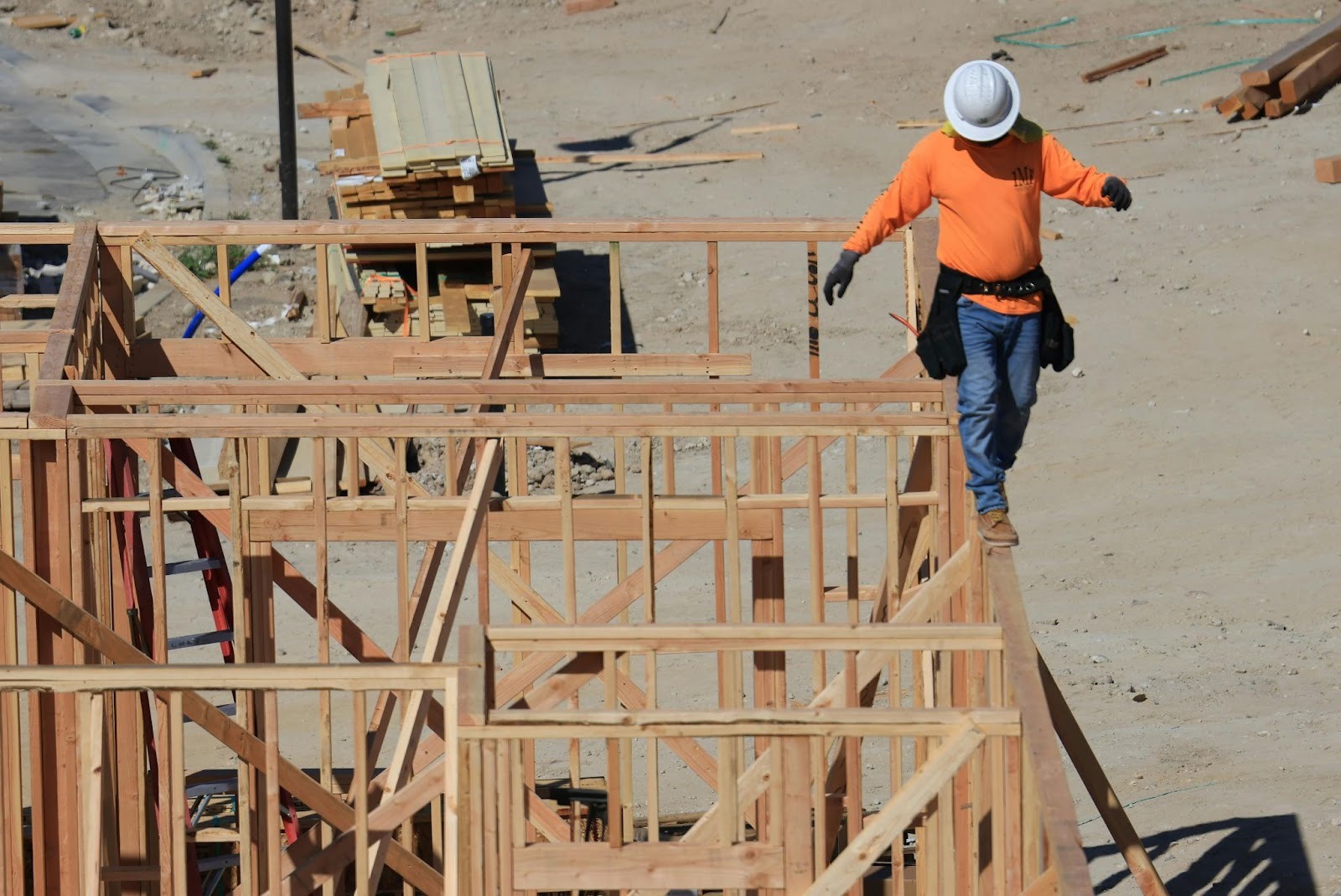
Across secondary markets and growing regional cities, smaller investors are building multi-unit rentals using a very different model—one that relies on operational control, staged capital deployment, and disciplined execution rather than institutional backing.
This approach is not theoretical. It is practical, slower by design, and far more hands-on. It also requires understanding the mechanics of construction in a way many investors have historically outsourced. When you remove institutional capital, you don’t just change the financing stack. You change how decisions are made on the ground.
Start With Buildable Scale, Not Maximum Scale
The most common mistake non-institutional developers make is trying to replicate institutional projects at a smaller balance sheet size. That usually fails. The smarter approach is to rethink scale entirely.
Four to twelve units is often the sweet spot. Large enough to justify shared infrastructure and construction efficiencies, small enough to finance incrementally and manage without a full corporate structure. These projects can often be phased, allowing cash flow from early units to support later stages.
Before construction starts, success depends on tight scope control. Clear unit layouts. Repeatable floor plans. Minimal custom detailing. The goal is not architectural drama. It is predictable execution.
Construction Control Becomes a Core Skill
Without institutional capital, you cannot afford inefficiency. Delays cost more when contingency reserves are thin. This is where understanding construction equipment—what you need, when you need it, and whether to hire or buy—becomes essential.
Equipment decisions directly affect timeline, labour costs, and risk exposure. Treating them casually is one of the fastest ways to lose control of a project.
Equipment Strategy: Own the Timeline, Not the Machinery
In the first half of any multi-unit build, site work sets the tone. Poor decisions here cascade through the entire project. Equipment is not just a cost line. It is a scheduling tool.
Below is a practical breakdown of the core machines involved and how small developers typically approach them.
Excavators
Excavators are central to almost every multi-unit build. Trenching, foundation prep, drainage, utilities, and grading all depend on them.
For small developers, buying an excavator rarely makes sense unless construction is happening continuously across multiple sites. Ongoing maintenance, storage requirements, transport logistics, and long periods of idle time quickly turn ownership into a cost burden rather than an advantage.
That is where hiring allows developers to match the machine precisely to the task at hand while keeping capital flexible and overhead low. Providers like Porter Excavator Hire make it possible to access professional-grade equipment only when it is needed, which aligns far better with the realities of non-institutional development.
Short-term hire works best when excavation tasks are tightly scheduled. This requires planning. Utility layouts must be final. Engineering drawings must be complete. When an excavator arrives on site, it should work continuously, not wait for decisions.
In some cases, subcontractors will include excavator use within their pricing. This often reduces coordination stress but limits flexibility. The trade-off is control versus simplicity.
Skid Steer Loaders
Skid steers are the most versatile machines on smaller construction sites. They move materials, assist with grading, handle debris, and operate in tight spaces where larger equipment cannot.
These machines are almost always hired rather than purchased for non-institutional builds. Their value lies in flexibility, not ownership. Hiring allows you to bring them in for short bursts during high-activity periods rather than carrying them throughout the project.
They are particularly useful during framing, exterior works, and site cleanup. The mistake is underestimating how often you will need one. Build schedules that assume occasional use often end up scrambling mid-project.
Compactors and Rollers
Soil compaction is not glamorous, but it is non-negotiable. Improper compaction leads to settlement, cracking, and long-term structural issues.
Plate compactors and small rollers are typically hired for specific phases: foundation prep, trench backfill, and driveway work. Buying these machines rarely offers an advantage unless you control multiple builds simultaneously.
What matters more than ownership is verification. Compaction standards should be tested and documented. Cutting corners here creates liabilities that surface years later.
Concrete Equipment
Concrete work introduces a different equipment decision set. Mixers, pumps, screeds, and finishing tools are often bundled with contractor services.
For multi-unit projects without institutional backing, outsourcing concrete placement almost always makes sense. The coordination risk and technical precision required outweigh potential cost savings from self-managing this stage.
The key decision is timing. Concrete delays ripple through framing, utilities, and inspections. Aligning subcontractors and equipment availability is more important than negotiating marginal cost reductions.
Build Systems That Reduce Equipment Dependence
One advantage smaller developers have is flexibility in construction methods. Choosing systems that reduce heavy equipment use can significantly lower risk.
Panelised framing, modular components, and simplified foundation designs all reduce on-site complexity. While these systems may increase upfront material costs, they often shorten build time and reduce exposure to weather and labour volatility.
This trade-off is rarely attractive to institutional builders focused on scale. For independent developers, it can be decisive.
Labour and Equipment Must Be Planned Together
Equipment without labour is idle cost. Labour without equipment is lost productivity. Non-institutional builds succeed when these two elements are planned as a single system.
Shorter equipment hire periods paired with concentrated labour deployment often outperform stretched schedules with lower daily spend. Paying more per day for fewer days is usually cheaper than paying less per day for longer.
This mindset requires discipline and realistic sequencing. It also requires resisting the urge to “save money” by delaying decisions.
Financing Without Institutions Changes Risk Exposure
Without institutional capital, financing is often layered: personal equity, construction loans, private lenders, or staged refinancing. This structure magnifies the impact of delays and cost overruns.
Equipment decisions influence draw schedules and lender confidence. Clean site progress, visible momentum, and predictable milestones matter when capital is released in stages.
In this context, conservative equipment planning is not caution. It is leverage management.
Exit Strategy Starts During Construction
Independent developers often plan to hold assets rather than sell immediately. That changes construction priorities.
Durability, maintenance access, and standardised components reduce long-term operating costs. Equipment choices during construction affect this. Poor drainage, uneven grading, or rushed site work become ongoing management issues rather than one-time problems.
Thinking like an operator during construction is one of the key differences between institutional and non-institutional builds. Institutions can absorb inefficiencies. Independent owners live with them.
Why This Model Works
Building multi-unit rentals without institutional capital works because it aligns incentives tightly. Decisions are not filtered through committees. Adjustments happen quickly. Capital is protected through control rather than scale.
Equipment is part of that control. Knowing when to hire, when to outsource, and when to simplify reduces risk more effectively than chasing lower line-item costs.
This model is not easier. It is more involved. But for investors willing to understand the mechanics of building—not just the spreadsheets—it offers a path to multi-unit ownership that remains viable even as institutional capital dominates larger projects.
The advantage is not money. It is operational clarity.





