



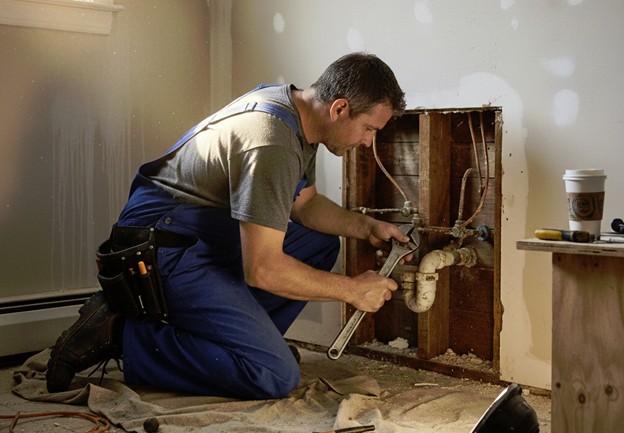
When a pipe bursts at 2 a.m. or a tenant reports a toilet backup spreading quickly, the difference between a minor inconvenience and a major building disaster usually comes down to preparation. A strong 24/7 plumbing emergency plan gives property managers, maintenance teams, and on‑call vendors a clear playbook, helping them move quickly without confusion. Think of it as a living document that outlines who responds, how issues get triaged, and what communication looks like from the first alert to the final repair.
Why Every Property Needs a Round‑the‑Clock Plan
Plumbing emergencies tend to escalate fast, especially when water keeps flowing. A solid response plan keeps everyone aligned and helps prevent damage, insurance claims, and tenant frustration. According to insights shared by OSHA, reliable emergency handling begins with clear resident instructions and swift communication loops that reduce uncertainty and keep people safe.
A good plan also levels the playing field across single‑family homes, small multifamily buildings, and larger portfolios forming a long-term investment. Whether a maintenance tech is on site or a third‑party plumber is dispatched after hours, your team should follow a consistent standard every time.
Core Components of a 24/7 Plumbing Emergency Protocol
Start with the absolute basics. Your plan should define how to identify emergencies, who gets the first call, and what information must be collected.
Emergency Triage Steps
Your team needs a simple framework that anyone can follow under pressure. For most plumbing issues, the first minutes matter most.
- Confirm immediate safety concerns, including electrical hazards
- Identify the water source and whether a shutoff is accessible
- Gather essential details from the tenant, such as severity and visible damage
These steps help your team determine whether to dispatch an emergency plumber right away or if a same‑day, non‑urgent visit is enough.
Building Out After‑Hours Protocols
Most emergencies are discovered when office staff have gone home, so after‑hours playbooks must be crystal clear. This includes instructions for shutting off the main water valves, thresholds for dispatch, and who the on‑call decision-maker is at any given time.
Create an Escalation Tree
Map out exactly who gets alerted at each stage. If the on‑call tech doesn’t respond within a set window, define who steps in next. This prevents the “no one answered” spiral that sometimes leads to property damage.
Standardize Work Order Templates
During a stressful moment, teams shouldn’t scramble to remember what details they need. A structured template ensures that photos, tenant notes, and timestamps are captured every time, helping insurance claims go more smoothly later.
Routing Vendors Quickly and Keeping Tenants Informed
You can have the best emergency plan in the world, but if your response time lags, tenants lose confidence fast. Clear expectations about service levels, like one‑hour response for active leaks, help avoid confusion. Guidance from Havok Journal highlights how water damage in commercial buildings escalates rapidly when communication or dispatching is delayed, making speed a non‑negotiable part of your plan.
It’s also sensible to integrate your operational tools. Many managers rely on centralized platforms for dispatch, scheduling, GPS tracking, and technician updates to reduce manual steps. In your workflow, consider how using software to streamline your plumbing work can help automate dispatching, mobile updates, and invoicing. It makes the plan easier to follow and reduces the risk of missed information.
Setting SLAs for Single‑Family and Multifamily Portfolios
Service level agreements help shape expectations for both tenants and vendors. For example, a “running water leak” in a large multifamily building may require a 30‑minute acknowledgment and a one‑hour on‑site response, while a minor issue in a single‑family home might allow for next‑morning service.
Clear SLAs also protect managers from disputes by demonstrating that response times adhere to a documented, fair standard across all properties.
Documenting Every Step
Documentation is your safety net. It supports insurance claims, reduces liability, and offers a training resource for new team members. Every emergency record should include:
- Precise timestamps, from first contact to job completion
- Photos and videos that accurately show conditions
- Notes on communication sent to tenants and vendors.
These records also help you refine the plan over time as patterns emerge.
Final Thoughts on Plumbing Emergency Planning
A 24/7 plumbing emergency plan isn’t something you create once and forget. It’s an evolving document you refine as your team, vendors, and building needs change. With clear triage steps, fast vendor routing, reliable communication, and the right digital tools, you can dramatically reduce both damage and stress when the unexpected happens.





