



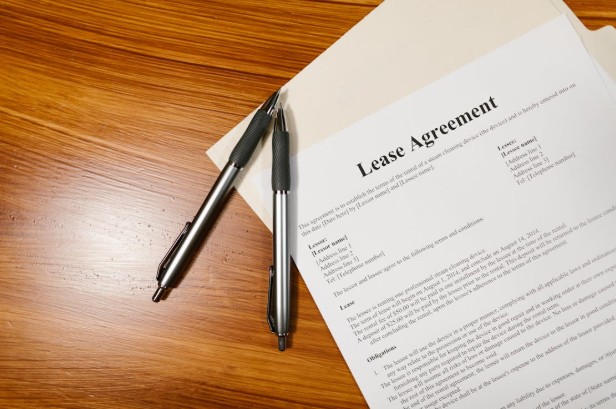
Being a landlord involves more than just collecting rent. Juggling late-night calls, handling urgent repairs, and keeping tenants satisfied are all part of the job. What many people view as passive income is often a demanding, hands-on responsibility.
Major repairs usually get noticed right away, but smaller hidden problems often cause the most damage over time. These issues can build up quietly behind walls, under floors, and inside essential systems. They may not be obvious at first, but they can quickly become expensive if ignored.
Air Conditioners
Many rental properties rely on air conditioning to keep tenants comfortable, especially during warmer months. Without regular maintenance, these systems lose efficiency and wear out faster. Units that are not serviced routinely may use more energy, struggle to cool the space evenly, and break down sooner than expected.
Older systems often show clear warning signs before they fail. Poor airflow, noisy fans, and uneven temperatures are all issues that should be addressed early. Ignoring these signs can lead to a full replacement instead of a straightforward repair.
It is also easy to underestimate how much inefficient cooling can cost. When systems run constantly, electricity bills rise and tenants get frustrated, especially when indoor temperatures feel inconsistent. During hot months, landlords often see a spike in complaints.
Some landlords have not had their unit inspected since the original residential air conditioning installation. Without routine inspections, dust builds up, filters clog, and mechanical parts wear down. These issues are often affordable to fix when caught early, but expensive when left too long.
Scheduling service once or twice a year can make a noticeable difference. It helps the system last longer, lowers running costs, and reduces the chance of emergency repairs.
Plumbing Leaks in Hidden Areas
Leaks do not always show up as puddles or stains right away. Often, they stay hidden behind cabinets, under floors, or inside walls, slowly causing damage. A small drip might seem harmless, but over time it can lead to mould, rot, and structural problems.
One of the biggest risks is that minor leaks can go unnoticed during routine checks. In hidden areas, water damage can spread quickly, ruining wood framing and drywall. Once mould takes hold, cleanup becomes expensive and health risks increase.
Water bills can also be an early warning sign. A sudden increase may point to a hidden leak, and ignoring it can raise monthly costs. If tenants pay utilities, high bills can make the property less appealing and create complaints.
Listening for running water when taps are off and checking under sinks and around toilets can help catch leaks early. These small steps take little time but can prevent major repairs later.
Roof and Gutter Neglect
Many landlords do not inspect the roof regularly, even though it is a common source of costly water damage. Tiles can crack, flashing can peel, and seals can fail, especially after storms or seasonal changes. When moisture gets inside, it can cause leaks, ceiling stains, and damage throughout the home.
Blocked gutters are another common issue that can lead to expensive repairs. Leaves and debris prevent water from draining properly, which causes overflow. Over time, that water can soak fascia boards, damage siding, and weaken areas near the foundation line.
This is not just a cosmetic problem. Ongoing water exposure can affect insulation, electrical wiring, and the overall integrity of the building. These problems usually develop slowly, but they get worse the longer they are ignored.
Cleaning gutters and checking the roof twice a year can help prevent these issues. This small investment of time can save thousands compared to replacing wet insulation or repairing interior ceiling damage.
Pest Entry Points
Pests can enter rental properties through surprisingly small gaps. Spaces around pipes, cracks near windows, and openings in the roofline can offer easy access for rodents and insects. During routine maintenance, these entry points are easy to miss, but they can lead to costly problems later.
Once inside, pests can chew through wires, damage insulation, and spread bacteria. This creates property damage and also puts tenant health and safety at risk. If the problem grows into an infestation, it can lead to negative reviews, early lease terminations, and even legal issues.
Regular exterior inspections help catch pest activity and entry points early. Look for signs like droppings, chewed materials, and holes near the base of the building. Sealing gaps, repairing vents, and trimming plants near walls can all help keep pests out.
Consistent prevention saves time and stress while showing tenants the property is being cared for properly. When tenants feel confident in the home’s condition, they are often more likely to stay longer.
Poor Insulation and Drafts
Energy efficiency is often overlooked in rental homes, but it directly affects comfort, costs, and tenant retention. Poor insulation makes it harder to keep rooms warm in winter and cool in summer, which can drive up utility bills and lead to tenant complaints.
Drafts around windows and doors, along with air leaks in attics, are common in older properties. These gaps force heating and cooling systems to work harder, which increases wear and raises monthly operating costs.
Simple improvements like sealing gaps, adding door sweeps, and checking attic insulation can make the home noticeably more comfortable. These upgrades are often affordable and can pay off over time through lower energy use and fewer HVAC issues. Comfortable homes are also more likely to retain tenants.
In some areas, rebates or incentive programs may help offset the cost of energy-efficiency upgrades. Knowing what is available locally can help landlords improve the property without taking on unnecessary upfront expenses.
Final Words
Landlords protect their investments by addressing small hidden maintenance issues before they become expensive emergencies. Catching these problems early helps reduce repair costs, prevent tenant dissatisfaction, and avoid long-term property damage. Staying proactive is one of the simplest ways to protect property value and support long-term tenant stability.