



High-wind durability, lower cooling bills, and smoother insurance underwriting are making architectural shingle and metal roof upgrades top-return renovations.
Homeowners and residential property investors no longer treat a new roof as a dreaded, overdue repair. Instead, you can view a full roof replacement as a strategic structural investment that protects equity and strengthens market appeal. Rising energy costs and stricter coastal building codes have shifted how buyers and appraisers value the top of a house.
Choosing between modern architectural shingles and standing-seam metal roofing delivers measurable financial returns. You gain immediate protection against severe storms while lowering monthly cooling expenses and simplifying insurance renewals.
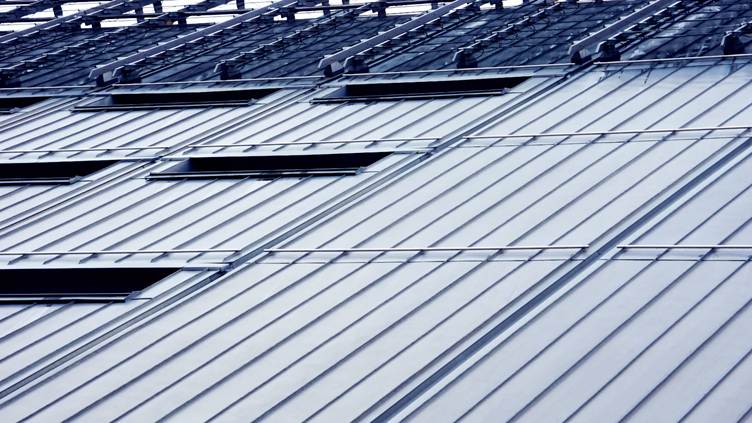
What Makes Modern Roof Assemblies More Energy Efficient?
A high-performing roof does much more than block rain; it regulates indoor temperatures and protects your framing from trapped heat and humidity. When planning a project like reroofing a Florida home, looking beneath the outer surface helps you maximize monthly utility savings. Combining reflective exterior materials with modern underlayments and balanced airflow creates a complete thermal barrier.
Reflective Surfaces and Cool-Roof Coatings
Dark, traditional roofing materials absorb solar radiation and transfer that heat straight into your attic. Modern metal panels often feature factory-applied reflective pigments that bounce infrared rays back into the atmosphere. Architectural shingle manufacturers now offer cool-roof granules engineered to reflect sunlight, keeping roof surface temperatures noticeably lower during peak summer afternoons.
Synthetic Underlayment and Attic Ventilation
Heat and trapped condensation can quietly rot wooden roof decking from the inside out. Upgrading to tear-resistant synthetic underlayment and self-sealing ice-and-water shields creates a secondary waterproof barrier beneath your shingles or metal panels. Pairing these membranes with continuous ridge and soffit vents allows superheated air to escape your attic, reducing the workload on your air conditioner.
- Check intake and exhaust balance: Clear blocked soffit vents so cool outside air can flow smoothly up toward the ridge.
- Specify self-adhering seam tape: Ask your contractor to seal decking joints with peel-and-stick membrane strips for secondary leak protection.
- Choose high-SRI color options: Pick lighter shingle blends or reflective metal finishes to maximize solar reflectance.
How Do Architectural Shingles and Standing-Seam Metal Roofs Compare?
Selecting the right roofing material requires balancing upfront installation costs against long-term storm durability and neighborhood aesthetics. Both architectural asphalt shingles and standing-seam metal panels offer dramatic performance upgrades over traditional 3-tab shingles.
Wind Uplift Resistance and Storm Durability
Severe coastal storms put tremendous upward pressure on roof edges and ridges. Architectural shingles feature multiple laminated layers of asphalt and fiberglass, giving them thicker profiles and stronger adhesive strips that resist tearing in high winds. Standing-seam metal roofs take wind defense even further by using interlocking vertical panels with concealed fasteners, preventing wind gusts from catching exposed nail heads.
Lifespan and Long-Term Return on Investment
A roof's expected service life directly affects how much value it adds to your property over time. According to data from This Old House, metal roofs typically last 40 years or longer compared to the 20-to-30-year lifespan of standard asphalt shingles, meaning you rarely need to budget for a second replacement while owning the home. Highlighting this financial tradeoff, a House Beautiful cost guide notes that "although metal roofs come with a significantly higher upfront price tag, their extreme durability and minimal maintenance needs often make them the more cost-effective choice in the long run." On the other hand, architectural shingles require a smaller initial cash outlay, making them a practical choice when you want strong curb appeal and solid storm ratings on a tighter budget.
Why Do Underwriters and Appraisers Reward Documented Roof Upgrades?
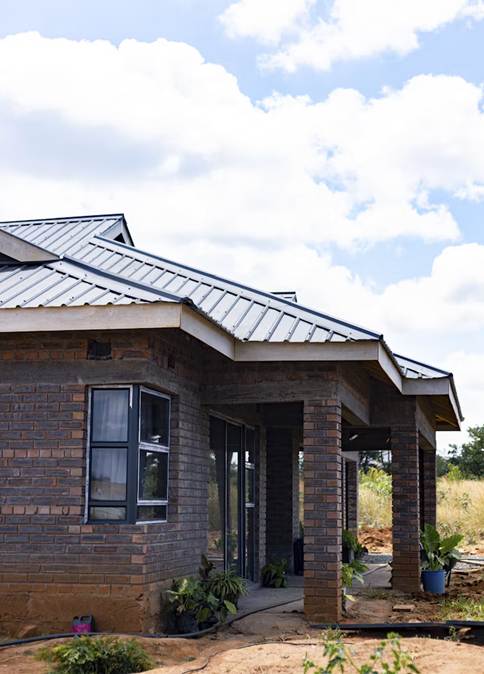
In storm-prone housing markets, the age and construction quality of a roof often determine whether a real estate transaction closes smoothly. Lenders, home inspectors, and property insurers closely scrutinize roof condition before approving financing or binding coverage.
Smoother Homeowners Insurance Underwriting
Insurance carriers frequently restrict coverage or charge steep surcharges on roofs approaching 15 years of age. Installing a new wind-rated shingle or metal assembly allows you to submit a fresh wind mitigation inspection report. Documented upgrades such as ring-shank deck nails, secondary water barriers, and impact-resistant materials can unlock substantial policy discounts and keep your property eligible for standard coverage.
Stronger Buyer Confidence and Appraisal Outcomes
Prospective buyers hesitate to make full-price offers when they anticipate a $20,000 repair bill right after closing. Appraisers factor the remaining useful life of major mechanical and structural components into their final property valuations. Presenting transferable manufacturer warranties and local building permit records proves that your home is structurally sound, helping you command higher resale prices and close deals faster.
How Should You Plan a High-Return Roof Replacement?
Getting the highest financial return from your roofing upgrade depends on careful preparation before installation begins. Treating the project as a complete structural system rather than a simple surface swap protects your budget from unexpected change orders.
Evaluate Roof Decking and Structural Connections
Once contractors tear off the old roofing layers, they can inspect the exposed plywood or oriented strand board sheathing for water stains or soft spots. Replacing damaged decking boards and upgrading fastener patterns to meet current hurricane codes ensures your new roof stays anchored during extreme weather.
Upgrading to architectural shingles or standing-seam metal roofing transforms your roof from a routine maintenance expense into a durable financial asset. You protect your home's structural framing against severe weather while trimming monthly cooling bills and securing better insurance rates. Taking time to choose storm-rated materials and document every installation step ensures your property commands lasting equity and buyer confidence.