



A leak rarely starts big. It usually starts with a soft spot under a cabinet, a drip between pipe joints. Tenants notice the wet spot, then you notice the bill, then damage starts spreading quietly.
Most landlords do better with a simple plan that covers triage, records, and vendor standards. If you manage properties in multiple regions, it also helps to learn more about local services so your expectations match what qualified plumbers actually provide. That way, you are not guessing during a 9 pm emergency call.
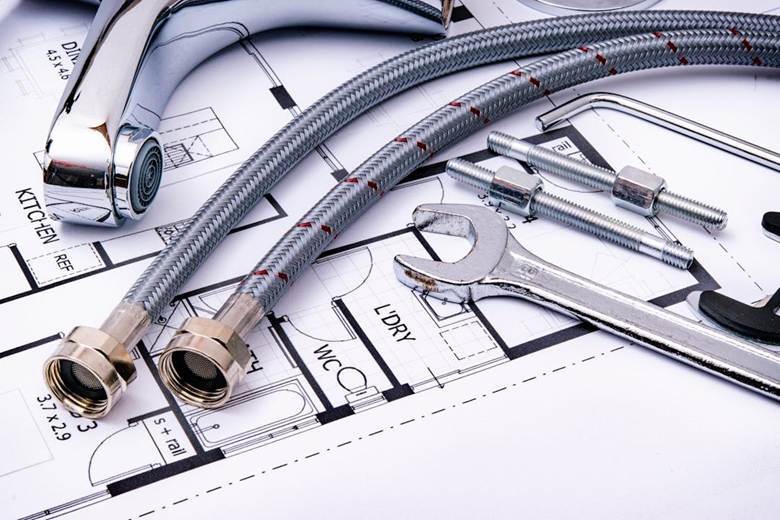
What Is A Plumbing Emergency
Not every plumbing complaint needs a same day visit, but some problems cannot wait. Water can move through framing fast, and it can create mold conditions within days. A clear definition of “emergency” helps you move quickly without panicking.
Most landlords treat these as urgent, because the risk grows by the hour. Active flooding, sewage backup, no water supply, and hot water system failure in cold weather are common examples. Gas smell near a hot water unit also belongs in the urgent category.
Written expectations reduce confusion, especially around who calls first and what to do next.
A shared process reduces confusion and keeps tenants from taking risky steps. Many owners point tenants to an online maintenance request page so reports are logged with photos and time stamps.
Here is a practical triage list that works for many rentals:
- Stop the water if there is a shutoff valve that can be reached safely.
- Limit damage with towels and buckets, and keep outlets away from standing water.
- Report with details, including location, severity, and clear photos of the affected area.
What The Law Expects In A Rental
Plumbing overlaps with habitability rules, because clean water and safe sanitation are basic requirements. North Carolina guidance for tenants and landlords describes the duty to keep plumbing and related systems in good working order.
Documentation is your quiet protection, especially when timelines get questioned later. Keep a record of the report date, your response, the vendor dispatch, and the completed work order. Include photos before and after when water damage is visible.
Invoices also matter, because they show what was done, what parts were used, and why. If a pipe was replaced, the invoice should note length, material, and access method. A drain clearing record should capture the tool used and what was removed.
For recurring issues, build a short history that stays with the property file. When a unit has had multiple blockages, you may need a camera inspection or a partial replacement. A pattern often points to an upstream cause, not a careless tenant.
Simple Checks That Prevent Big Repairs
Preventive maintenance sounds boring until you compare it with emergency weekend pricing. A small routine can catch leaks early and reduce tenant frustration. Routine checks also extend the life of fixtures and hot water systems.
Start with the high impact, low effort checks during inspections. Look under sinks for corrosion, check toilet bases for movement, and watch for slow drains. Ask tenants if they notice water pressure changes or gurgling sounds.
Leaks waste more water than most people expect, and small drips add up across multiple units. The EPA has a simple checklist for spotting common household leaks that landlords can adapt for inspections.
Hot water systems deserve special attention because failure often causes sudden damage. Ask your plumber about flushing schedules, anode rod checks, and pressure relief valve condition. In older homes, discuss whether pipe materials and shutoff valves are due for upgrades.
When tenants move in, a short plumbing orientation helps a lot. Point out the main shutoff location, what not to flush, and how to report issues. This is also a good place to link tenants to a move in and move out checklist so expectations feel consistent.
Working With A Plumber The Right Way
Plumbing quality is not only about fixing the problem, it is about preventing the return. Landlords do best when they set standards before the first job starts. That includes licensing, insurance, communication, and clean up rules.
Ask for written scope and photos when work happens behind walls or under floors. That documentation protects both sides from misunderstandings and makes explaining the repair to tenants much simpler.
For blocked drains, ask what method was used and why it was chosen. Snaking, hydro jetting, and camera inspection solve different problems. The right choice depends on pipe condition, blockage type, and how often the issue returns.
For leak repairs, confirm whether the fix addressed the source or only the visible symptom. A ceiling stain might be from a failed shower seal, not the pipe below. Good plumbers explain the cause in plain language, then back it up with notes.
Setting a consistent response and update rhythm matters just as much as the repair itself. Even when a fix takes time, silence makes people assume nothing is happening. A short update message after scheduling goes a long way.
One Page Plumbing Plan For Each Property
A plumbing plan should fit on one page and stay easy to follow. It should include emergency steps, vendor contacts, shutoff locations, and key fixture notes. The goal is fewer surprises and faster decisions.
Keep a unit level log for recurring issues like slow drains or running toilets. Track dates, fixes, and whether the problem returned within thirty days. Patterns help you decide when a repair needs a deeper look.
Set a budget line for plumbing that reflects the age and condition of each property. Older homes often need more valve replacements, pipe work, and hot water maintenance. Newer builds may need fewer repairs, but they still need inspections.
Finally, match your plan to a clear reporting channel so nothing gets lost. A dedicated online request form keeps details in one place and supports faster dispatch. You avoid hunting through texts when a dispute surfaces later.
Final Takeaway For Landlords
A landlord who treats plumbing as a system, not a series of emergencies, spends less time reacting. Clear triage rules, solid records, and routine checks prevent many repeat calls. Good vendors then become partners who protect the asset, not just fix today’s leak.





