



Aging HVAC systems are one of the most common — and costly — problems homeowners face in South Florida. When your system struggles to keep up with year-round heat and humidity, you feel it in every room and on every utility bill. Upgrading to seamless HVAC solutions in South Florida homes isn't just about comfort. It's about efficiency, air quality, and making sure your system can handle the demands of this climate without constant breakdowns.
In this guide, we walk through why upgrades matter for older homes, which modern technologies are worth considering, and how to approach the process step by step — from your first assessment to long-term maintenance.
Homeowners across the South Miami area can explore seamless HVAC solutions from a licensed, locally experienced team that understands the unique demands of South Florida's climate.
Whether your home still runs on outdated equipment or you're simply looking to improve performance and lower energy costs, this guide gives you the practical information you need to move forward with confidence.
Why Upgrading to Seamless HVAC Solutions Matters for Older Homes
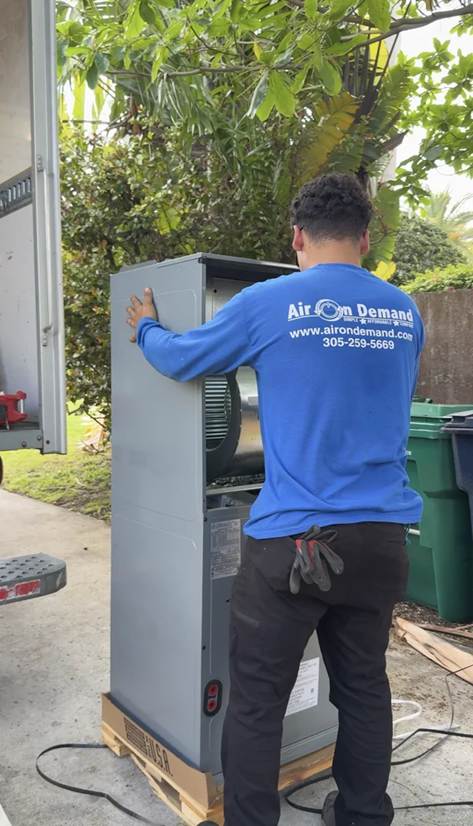
Alt text: outdated AC unit next to a modern HVAC replacement in a South Florida home
Older homes carry a lot of character, but their HVAC systems often tell a different story. Many residential properties throughout South Florida were built with equipment that simply wasn't designed to meet today's energy efficiency standards or handle the increasingly intense demands of the region's climate. Over time, these systems become a significant source of energy waste, inconsistent comfort, and declining indoor air quality.
The case for upgrading goes beyond convenience. Outdated HVAC equipment tends to consume far more energy than modern alternatives while delivering inferior results. That gap in performance translates directly into higher monthly utility bills, more frequent repair calls, and a home environment that never quite reaches the comfort level it should. At the same time, newer systems are built with advanced filtration, tighter controls, and more efficient refrigerants that make a measurable difference in both air quality and operating costs.
Regulatory considerations are also evolving. As energy efficiency standards continue to tighten across the country, older equipment may fall out of compliance with updated guidelines — creating additional incentive for homeowners to act sooner rather than later.
Signs Your Home HVAC System Is Ready for an Upgrade
Knowing when to upgrade isn't always straightforward, but certain warning signs tend to appear consistently in systems that are past their prime. If you're noticing any of the following, it may be time to have a professional evaluate your equipment:
- Uneven cooling throughout the home. If some rooms feel significantly warmer or cooler than others, your system may no longer be capable of distributing conditioned air effectively.
- Rising energy bills without a clear cause. A steady increase in utility costs, especially during peak cooling months, often points to a system working harder than it should to maintain temperature.
- Frequent repair needs. When a system requires multiple service calls within a single season, the cumulative cost of repairs can quickly approach or exceed the investment in a replacement.
- Unusual noises or odors. Rattling, banging, or musty smells coming from your system are often signs of mechanical wear or air quality issues that worsen over time.
- Equipment age. Most residential HVAC systems have a functional lifespan of 10 to 15 years. Systems operating beyond that range are typically operating well below their original efficiency ratings.
Any one of these signs warrants a closer look. Several of them together suggest that an upgrade conversation is overdue.
How South Florida's Climate Puts Extra Demand on Residential HVAC Systems
South Florida's climate is unlike most of the country. Communities like Cutler Bay, Kendall, Coral Gables, and Homestead experience heat and humidity for the majority of the year, with little seasonal relief. Unlike northern climates where HVAC systems alternate between heating and cooling seasons, South Florida homes rely on air conditioning almost continuously — which accelerates wear on equipment and amplifies the cost of inefficiency.
High humidity is particularly challenging. When an HVAC system struggles to manage moisture effectively, it creates conditions that are uncomfortable at best and potentially hazardous at worst. Excess indoor humidity encourages mold growth, degrades air quality, and places additional strain on equipment that may already be operating near its limits.
This is why the standard advice about HVAC systems in other parts of the country doesn't always translate well to South Florida. Systems need to be sized correctly for the heat load, capable of managing humidity, and durable enough to handle near-constant operation. An upgrade that accounts for these regional realities will deliver far better long-term results than a generic replacement.
Key Modern HVAC Technologies Worth Considering for Your Home
The good news for homeowners considering an upgrade is that modern HVAC technology has advanced considerably. Today's systems offer efficiency levels, comfort control, and air quality capabilities that older equipment simply cannot match. Understanding your options helps you make a more informed decision about what makes sense for your home's layout, budget, and long-term goals.
Ductless Mini-Split Systems for Flexible, Room-by-Room Comfort
Ductless mini-split systems have become one of the most popular upgrade options for South Florida homeowners, and for good reason. These systems deliver conditioned air directly to individual rooms or zones without relying on a network of ductwork — which makes them an excellent solution for homes that were built without existing ducts, or for additions and spaces where extending ductwork isn't practical.
The zoning capability of ductless systems is one of their most valuable features. Rather than conditioning the entire home to a single temperature, mini-splits allow different areas to be set independently. A bedroom can be kept cooler at night while common areas maintain a different setting during the day. This level of customization reduces energy waste significantly, since you're only conditioning the spaces that are actively in use.
For homeowners in communities like Palmetto Bay and Pinecrest — where home layouts vary widely and square footage can be substantial — ductless systems offer a flexibility that traditional central air systems can't easily replicate. They're also quieter, more energy-efficient, and easier to maintain than many older alternatives.
Smart Thermostats and Automated Controls
Replacing a manual or outdated programmable thermostat with a smart thermostat is one of the simplest and most cost-effective upgrades available to homeowners. Smart thermostats learn your household's patterns over time and adjust heating and cooling schedules automatically to minimize energy use without sacrificing comfort.
Remote management is another practical benefit. Through a smartphone app, homeowners can monitor and adjust their system from anywhere — whether that means turning the air down before arriving home or checking that the system is running properly while traveling. Real-time energy data also helps identify patterns of waste and opportunities for further optimization.
When integrated with a modern HVAC system, smart controls elevate the entire setup. They allow the system to operate at its most efficient settings consistently, rather than relying on manual adjustments that are easy to forget or miscalibrate.
Indoor Air Quality Add-Ons That Work With Your New System
A new HVAC system is also an opportunity to address indoor air quality in a more comprehensive way. Modern systems can be paired with advanced air filtration components, UV light purifiers, and enhanced ventilation solutions that work together to remove allergens, dust, bacteria, and other pollutants from the air circulating through your home.
This is particularly relevant in South Florida, where high humidity creates favorable conditions for mold spores and other biological contaminants. Upgrading to a system with better filtration and air treatment capabilities doesn't just improve comfort — it creates a healthier living environment for everyone in the home, including those with allergies or respiratory sensitivities.
Upgrading to Seamless HVAC Solutions: A Step-by-Step Approach for Homeowners
Approaching an HVAC upgrade strategically makes the process smoother, more cost-effective, and less disruptive to daily life. Rather than simply swapping out old equipment for new, a thoughtful upgrade plan starts with understanding what your home actually needs and then building toward that goal in a logical sequence.
Start With a Home Energy and System Assessment
Before any equipment is selected or installed, a thorough assessment of your home's existing infrastructure is essential. This evaluation should examine your current system's performance, identify sources of inefficiency, and determine how well your existing ductwork, insulation, and electrical capacity can support a modern upgrade.
An experienced technician will look at factors like your home's square footage, ceiling height, sun exposure, and typical occupancy patterns — all of which influence what size and type of system will perform best. Skipping this step and simply replacing old equipment with new equipment of the same type often means missing an opportunity to meaningfully improve efficiency and comfort.
The assessment also helps identify compatibility issues early. Modern HVAC components are designed to work together as integrated systems, and introducing new equipment into an older infrastructure without evaluating compatibility can lead to performance problems down the road. Expert evaluation at this stage prevents those issues before they arise.
Upgrading to Seamless HVAC Solutions Through Phased Installation
For many homeowners, a complete system overhaul isn't the most practical approach — whether due to budget considerations, scheduling constraints, or a desire to minimize disruption to the household. A phased installation strategy addresses these concerns by prioritizing the most impactful upgrades first and building toward a fully modernized system over time.
Phased upgrades might begin with replacing the primary cooling unit and thermostat, then address ductwork improvements in a subsequent phase, and eventually add indoor air quality components as the budget allows. This approach spreads the investment while still delivering meaningful improvements at each stage.
Minimizing disruption is a key consideration throughout this process. Working with a team that offers same-day service and flexible scheduling helps ensure that your home isn't left without functional cooling during the upgrade process — a critical concern in South Florida's climate. Families throughout the South Miami area have found that working with a locally experienced provider makes this process significantly more manageable, particularly when that provider completes the vast majority of service calls the same day they're scheduled.
Duct Sealing, Cleaning, and Airflow Improvements
Even the most advanced new HVAC equipment will underperform if the ductwork it relies on is leaking, clogged, or poorly designed. Leaky ducts allow conditioned air to escape into unconditioned spaces like attics and wall cavities — energy that you're paying for but never benefiting from. Studies have consistently shown that duct leakage is one of the most significant sources of energy loss in residential HVAC systems.
As part of any meaningful upgrade, ductwork should be inspected, sealed, and cleaned. Sealing leaks improves the efficiency of the entire system by ensuring that conditioned air reaches its intended destination. Cleaning removes accumulated dust, debris, and potential biological contaminants that restrict airflow and degrade indoor air quality. Together, these improvements can make a substantial difference in how effectively a new system performs from day one.
How to Maintain Your Upgraded HVAC System for Long-Term Performance
Installing a modern HVAC system is an investment, and like any significant investment, it requires ongoing care to deliver its full value over time. Consistent maintenance is the single most effective way to extend the lifespan of your equipment, preserve its efficiency, and avoid the kind of unexpected breakdowns that are especially problematic in South Florida's heat.
Seasonal Maintenance Checklist for South Florida Homeowners
While South Florida doesn't experience the dramatic seasonal transitions of northern climates, HVAC systems here still benefit from periodic maintenance checks — particularly before the most intense periods of summer heat. A thorough seasonal tune-up should include the following:
- Air filter inspection and replacement. Filters should be checked monthly and replaced as needed. A clogged filter restricts airflow, forces the system to work harder, and allows more particulates to circulate through the home.
- Condenser coil cleaning. Outdoor units accumulate dirt and debris over time, which reduces their ability to release heat efficiently. Cleaning the coils restores performance and reduces energy consumption.
- Thermostat calibration and settings review. Confirming that your thermostat is reading temperatures accurately and that your settings are optimized for current conditions helps the system operate as intended.
- Refrigerant level check. Low refrigerant levels indicate a leak and can significantly impair cooling performance. A technician should verify levels and address any issues promptly.
- Professional system inspection. A licensed technician can identify developing issues — worn components, electrical concerns, drainage problems — before they become failures.
For homeowners in communities like Kendale Lakes, Country Walk, and Lakes By The Bay, scheduling a professional tune-up at least once a year — ideally in the spring before peak cooling season — is a straightforward way to protect your system and your investment.
The Value of a Residential HVAC Maintenance Plan
One of the most practical tools available to South Florida homeowners is a structured maintenance plan. Rather than scheduling service reactively — after something goes wrong — a maintenance agreement puts your system on a regular care schedule and typically includes a range of benefits that add up to meaningful value over time.
A well-designed maintenance plan might include scheduled tune-ups, priority scheduling for service calls, discounts on repairs, and guarantees on parts and labor. For homeowners in Coconut Grove and Cutler Bay who rely on their systems year-round, the peace of mind that comes with guaranteed same-day service and a consistent maintenance schedule is difficult to overstate. These plans are also often transferable to subsequent homeowners, which can be a meaningful selling point if you decide to put your property on the market.
Frequently Asked Questions About Upgrading to Seamless HVAC Solutions
How Do I Know If My Home HVAC System Needs a Full Replacement or Just a Repair?
This is one of the most common questions homeowners face, and the answer depends on several factors considered together rather than any single variable. The age of the system is a useful starting point — equipment that is 10 to 15 years old or older is approaching the end of its practical lifespan, and the calculus of repair versus replacement shifts considerably as systems age.
Repair frequency matters as well. A system that has required multiple significant repairs within a short period is often signaling that more failures are on the horizon. When the cumulative cost of recent repairs begins to approach a meaningful fraction of replacement cost, replacement typically becomes the more economical choice.
Energy bills tell part of the story too. A system that is consuming significantly more energy than it used to — without a corresponding change in usage patterns — is likely losing efficiency in ways that repairs alone won't fully address.
A professional technician assessment is the most reliable way to get a clear answer. Reputable providers stand behind their evaluations and their work, and some offer guarantees that give homeowners additional confidence in the recommendations they receive.
Are Ductless Mini-Splits a Good Option for South Florida Homes Without Existing Ductwork?
Ductless mini-split systems are an excellent fit for South Florida homes that lack existing ductwork, and they're increasingly popular even in homes that do have ducts. The absence of ductwork actually simplifies installation considerably — there's no need to retrofit ducts into walls and ceilings, which reduces both cost and disruption.
From an efficiency standpoint, ductless systems avoid the energy losses associated with duct leakage, which can be substantial in older homes. They also provide the zoning flexibility that makes it possible to cool only the spaces that are in use, rather than conditioning the entire home uniformly.
For managing South Florida's humidity, modern mini-split systems are well-equipped. Many models include dedicated dehumidification modes that help maintain comfortable indoor moisture levels independently of the cooling cycle — a meaningful advantage in a climate where humidity is a year-round concern. Homeowners across the South Miami area have found these systems to be a practical and efficient solution for a wide range of home configurations.
How Quickly Can a New Residential HVAC System Be Installed?
The timeline for installation depends on the scope of the project, but many residential HVAC upgrades can be completed within a single day. For straightforward replacements — swapping an existing system for a new one of similar configuration — same-day completion is common when the work is scheduled appropriately.
More complex projects involving ductwork modifications, zoning system installation, or significant infrastructure changes may require additional time. A clear project plan developed during the initial assessment gives homeowners a realistic expectation of the timeline before work begins.
Providers that offer online scheduling and same-day service make the process significantly more accessible. When a team completes approximately 95% of service calls on the same day they're received, homeowners don't have to plan around extended wait times or endure prolonged periods without functional cooling. Licensed and insured technicians who arrive prepared with the right equipment and parts make same-day completion the norm rather than the exception.
Conclusion
Upgrading your home's HVAC system is one of the most impactful decisions you can make for long-term comfort, energy efficiency, and indoor air quality — particularly in a climate as demanding as South Florida's. From recognizing the early signs of an underperforming system to selecting the right modern technology and maintaining it properly over time, each step in the process builds toward a home that stays comfortable without unnecessary cost or disruption.
The key is approaching the upgrade thoughtfully: starting with a professional assessment, choosing technologies that fit your home's specific needs, addressing ductwork alongside equipment, and committing to a maintenance routine that protects your investment for years to come. Whether you're considering a ductless mini-split, a smart thermostat upgrade, or a full system replacement, the right information and the right team make all the difference in how smoothly the process unfolds.