



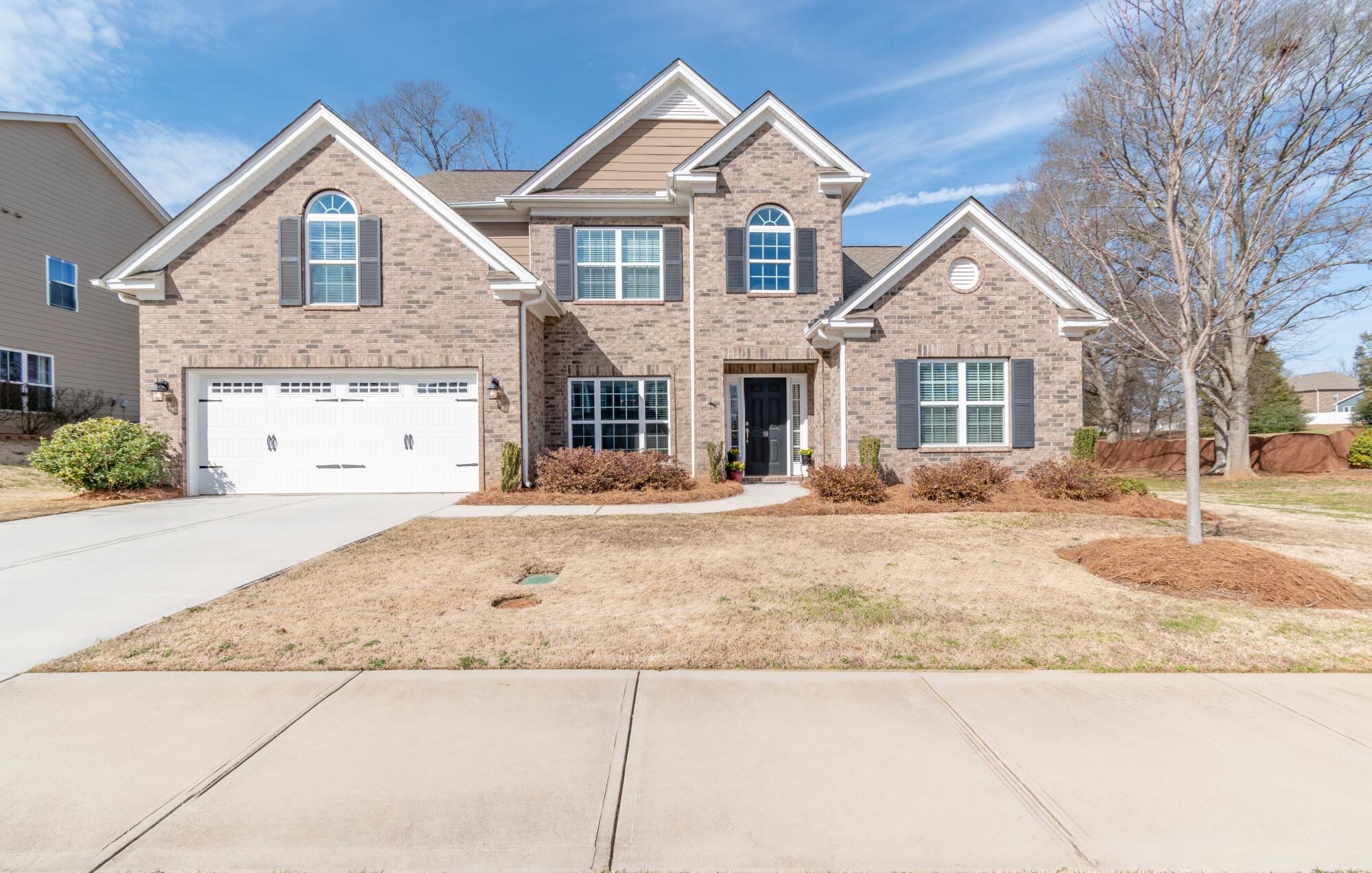
Real estate investing can build steady wealth when you plan each deal with a clear plan. Success means looking past easy numbers and finding hidden value in local areas. Investors who study seasonal cycles buy homes below market value. Staying flexible helps you adapt when buyer demand changes.
Finding Value in Changing Housing Markets
Smart investors build steady wealth by tracking local neighborhood trends. Good buyers study local market stats like time on market and prices to find clear chances before other buyers see them. These facts help you make strong offers that protect your real profit.
Sellers who want to sell cut prices after a few weeks with no offers. Watching how long homes sit helps you find sellers open to flexible terms or lower prices.
Small local markets move at different speeds even in one city. Finding quiet areas where prices stay stable while nearby areas jump lets you buy before home values peak.
Evaluating Days on Market for Leverage
Homes that sit a long time call for negotiation. Owners who see little interest often lower hopes to close a deal. Realtor research shows that a typical home spent 63 days listed in October, and that is 5 days more than the year before. Longer listing times can let buyers take more time to inspect the home and ask for seller credits.
When homes sit longer on listing sites, sellers may pay closing fees or fix repairs. You can make offers that cut the cash you need at closing and still get a strong rental.
Patience is your best tool when you talk to sellers with stale listings. Showing real interest and offering clean contracts with no contingencies wins deals below asking price.
Navigating Growing Listing Inventory
Supply levels affect how much power you have when you buy property. New homes give you more choices and cut bidding wars between buyers. National housing inventory grew 5.6% from last year. More inventory forces owners to set realistic prices for units from day one.
Smart buyers use more choices when they buy by taking these easy steps:
Ask sellers to pay points to lower mortgage rates in talks
Target homes with small flaws that scare off normal retail buyers
Compare past sales data in nearby areas before you make offers
Focus on areas with steady long-term population growth
Many choices mean you never rush into a deal that costs too much. Take time to check structure and real repair costs before you spend money.
Calculating Real Cash Flow and Cap Rates
Good financial planning always stops expensive mistakes when you buy homes. Gross rent looks good on paper, but net cash flow decides your true real returns.
Add in monthly management fees, property taxes, insurance, and vacancy savings. Put all maintenance costs into your monthly budget to keep your rental property cash-flow positive in any economy.
Aim for cap rates above area average to create a safety buffer. Use careful income estimates to protect your portfolio when the market drops.
Build Financial Freedom Through Smart Real Estate Investing
Smart real estate buys depend on deep market research and clear money limits. Watching supply changes and knowing why sellers are making the decision to put their house on the market gives you the advantage you need.
Focus on good properties, always watch your cash flow, and stick to proven rules to build financial freedom through real estate. If you would like to learn more about real estate tips and trends, visit our website to stay updated.