



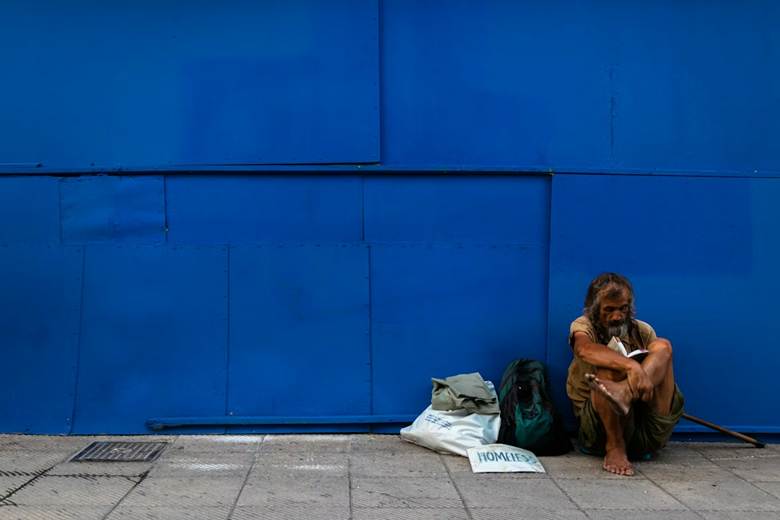
Understanding why people lose their homes is a key step toward finding solutions - this involves looking at many factors. Many forces play a role in this complex social issue. It is not just about one mistake or a single bad day. The problem often starts with deep issues in the housing market. Economic shifts and personal health challenges change how people live. By looking at the data, we can see how these forces work together. This helps us grasp why so many people struggle to stay housed. We can learn how to help our neighbors better. Finding a path forward requires a clear view of the whole picture.
The Massive Shortage of Affordable Housing
Finding a place to live has become harder for many families. High demand for apartments drives prices up very fast. This creates a situation where few people can find a spot they can afford.
A report from March 2026 found that low-income renters face a gap of 7.2 million available homes. This housing shortage means many people spend too much of their pay on rent. When a large part of a check goes to housing, other bills go unpaid. Food and medicine often become harder to buy each month.
Rental Affordability Barriers
The cost of living often stays higher than what workers earn. Minimum wage jobs do not always cover the cost of a small apartment. Working 40 hours a week is sometimes not enough to pay for a roof.
One study from 2025 showed that only 34 affordable homes exist for every 100 low-income households. This math leaves 66 families without a stable place to stay. Many are forced to double up or stay in temporary spots. These families are just one emergency away from losing everything.
Finding Reliable Information
Many people look for clear data to help them grasp the depth of this crisis. Some of the most reliable facts about homelessness show that the issue stems from deep systemic problems rather than personal choices. Understanding these numbers helps communities build better support systems. Clear data points the way toward better policies for everyone.
Learning the truth helps remove the blame often put on individuals. Most people want a safe and steady place to call home. Seeing the big picture is the first step toward real change. It helps us see the person behind the statistic.
Rising Numbers for Families
Families with children are seeing higher rates of housing loss lately. This trend affects schools and local communities in big ways. Children need a steady place to study and grow up.
Data from early 2024 showed that family homelessness rose by 39 percent in one year. A large part of this growth came from more families staying in shelters. Having kids makes searching for a new home even harder. Parents must balance work and childcare during their time in a temporary spot.
Rural Housing Struggles
Homelessness is not just a big city problem. Rural areas face their own set of unique challenges. There are often fewer services available in small towns. People in these areas may have to drive long distances for help.
A research brief noted a 36 percent increase in unsheltered rural families recently. These families often live in cars or tents far from help. Small towns may not have the money to build new shelters. This leaves people with very few choices when things go wrong.
Shelter System Realities
Shelters provide a safety net, but they are often full. Waiting lists can be long and hard to navigate. Some people wait for weeks just for a single bed.
A recent estimate noted that shelters only had enough space for 16 percent of households. This means many people have to stay on the streets. The lack of beds makes it hard to stay safe at night. Capacity issues are a major hurdle for every city.
Here are some common types of shelter spaces:
- Emergency night shelters for immediate safety
- Transitional housing for longer stays
- Specialized spots for veterans
- Family-focused units for parents and kids
Health and Wellness Factors
Physical and mental health issues can lead to a loss of housing. Medical bills can drain a savings account in just a few months. A single injury can keep a person from working for a long time.
Statistics from late 2025 show that serious mental illness affects about 22 percent of unhoused adults. Living on the street can make these health issues much worse. It is hard to get care without a steady place to live. The lack of a safe space makes recovery nearly impossible.
Substance Use and Long-Term Risks
People sometimes think drug use is the main cause of being unhoused. Studies show a more complex link between these two issues. The truth is that the loss of a home often comes first.
A 2025 study found that many people only start using substances after they lose their homes. The stress of the street leads some to seek a way to cope. Once housing is lost, staying healthy becomes a daily fight. Survival becomes the only goal for many people.
Staying on the street for a long time brings many dangers. One analysis found that unhoused individuals face a 1.8 percent risk of opioid overdose. This risk is much higher than for those who have a home. Safety is a concern for everyone in these situations.
Safety risks often include the following items:
- Lack of clean water and hygiene
- Exposure to extreme heat or cold
- High stress and lack of sleep
- Poor access to nutritious food
- High risk of physical injury
These dangers make it hard to focus on finding a job. A person needs a good night's sleep to do their best. Without a door that locks, peace is hard to find. This cycle is hard to break without a real place to live.
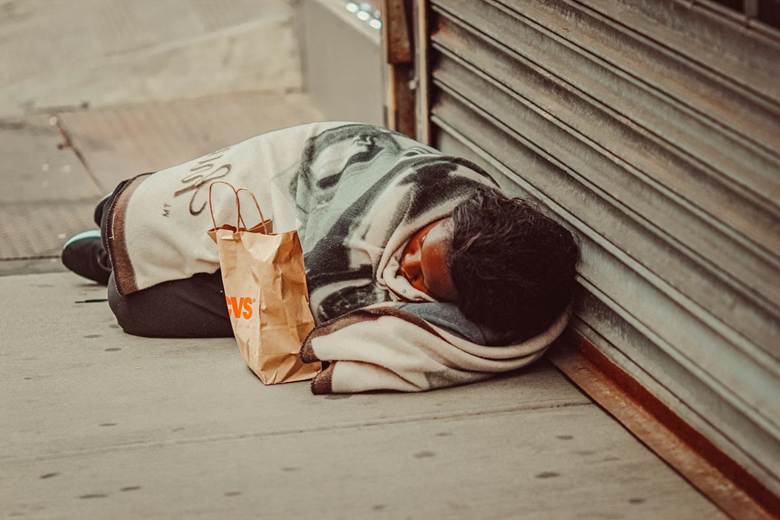
Solving the housing crisis requires looking at all these pieces. We need more affordable spots for families and single adults. Improving health services will help people stay in their homes. The data shows that this is a problem we can solve together. By fixing the housing market, we can give everyone a chance. Every person deserves a safe roof over their head. Working on these roots will change our cities for the better. A better future starts with a stable place to sleep.





