



Staying cool should not feel like a gamble every time the forecast spikes. If your AC is limping through heat waves, running longer, or pushing up your electric bill, the system may be at the end of its useful life. Knowing the warning signs can help you plan a smart upgrade, avoid surprise breakdowns, and keep comfort steady through summer.
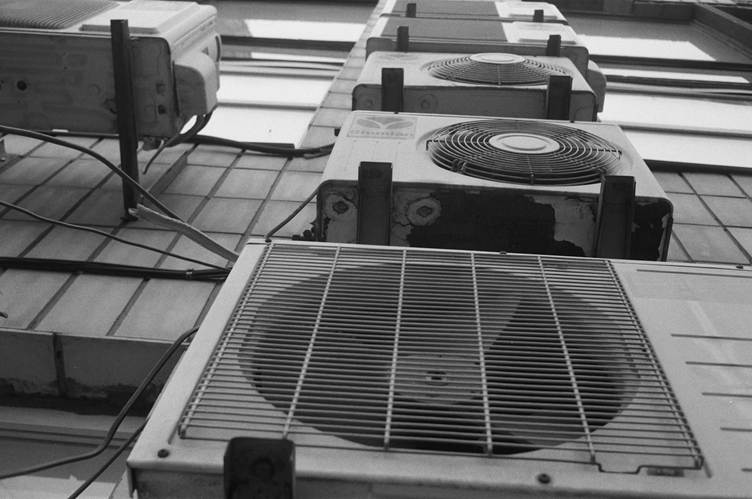
Quick Signs Your AC Is Nearing The End
Watch how often the system cycles and how long it runs to hit the set temperature. If it needs long run times on mild days or starts short cycling, parts are wearing out, and efficiency is slipping. Hot and cold spots, weak airflow, and stubborn humidity are also early flags.
How Long Central ACs Usually Last
Most central ACs do not run forever, even with good care. A major brand’s homeowner guide noted that a typical central air conditioner lasts about 10 to 15 years, with climate, maintenance, and use patterns nudging that timeline up or down. If your unit is within that window and showing performance issues, start planning rather than waiting for a midsummer failure.
Repair Cost vs Replacement Math
Big repair bills can keep a system going, but they do not reset the clock. The decision gets easier to weigh when you know when to replace AC, and you stack that against likely future repairs and energy use. Add up 3 to 5 years of projected costs and compare them to the price and savings of a higher efficiency unit.
Efficiency Standards Are Changing
Energy rules have tightened in recent seasons, and that affects both what you can buy and how much you can save. An industry operations blog explained that newer SEER2 efficiency requirements raised minimum performance by about 8 to 10 percent in many regions, and a large share of older catalog models no longer make the cut. If your unit predates these updates, an upgrade can deliver lower kWh use and easier compliance with current codes.
What this means for your bill
Older systems usually need longer run times to deliver the same comfort. A right-sized, higher SEER2 unit can trim runtime, reduce strain on components, and bring humidity under control. The result is steadier comfort and a more predictable monthly bill.
Comfort and Air Quality Clues
If the thermostat says 74 but the house still feels sticky, your system is struggling to wring moisture from the air. That can be due to a tired compressor, a mismatched coil, or refrigerant issues that keep the evaporator from doing its best work. Musty smells, recurring dust, or a clogged filter right after replacement can also point to an AC that is no longer moving or cleaning air effectively.
Noise, Smells, and Other Stress Signals
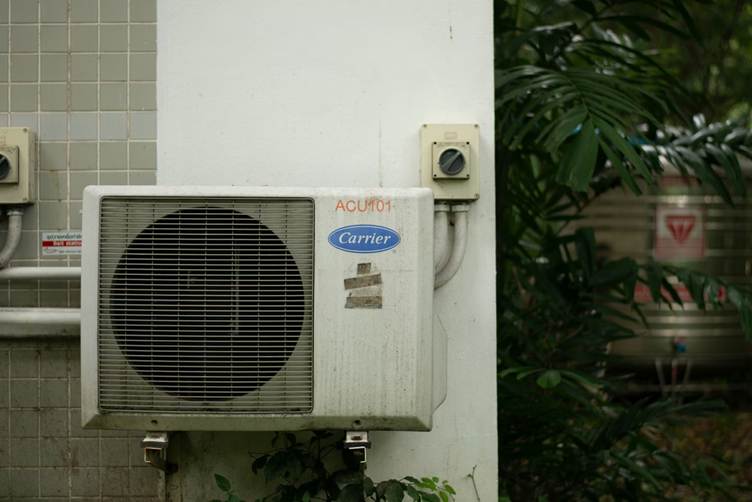
Rattles and buzzes that grew louder over the years are often worn fan motors, loose panels, or failing bearings. A chemical or sweet odor can hint at a refrigerant leak, while a burning smell points to electrical problems or overheated parts. Any of these is fixable in the short term, but repeated episodes suggest wider wear that makes replacement the safer long-term play.
Your Service History Tells a Story
Look back at the last 24 months of invoices. If you see multiple capacitor swaps, fan motor issues, or repeated refrigerant top-offs, the AC is likely past its best years. More frequent service also means more time without cooling and more uncertainty during peak heat.
What To Check Before You Decide
- Age of the system and any major past repairs
- Monthly energy use compared to prior summers
- Room-by-room comfort and humidity levels
- Noise at startup and during long cycles
- Condition of the outdoor coil and fan
- Thermostat accuracy and wiring condition
- Duct leakage or crushed runs that limit airflow
Right-sizing Matters as Much as Replacing
An oversized unit cools the air fast but does not run long enough to dehumidify, which leaves the home clammy. An undersized unit runs constantly and still misses the set point on hot afternoons. A proper load calculation helps match capacity to your home, which protects comfort and keeps parts from wearing out early.
Plan The Timing To Reduce Stress
If your AC is near the end of its lifespan and needed a big fix last summer, schedule a changeout in spring or early fall. That avoids heat wave lead times and lets you plan for any electrical or duct updates. You also get time to compare models and efficiency ratings without the pressure of a no-cool emergency.
Upgrading at the right time protects comfort, cuts the risk of midseason breakdowns, and can lower energy use in a meaningful way. Watch the signs, weigh near-term repair costs against long-term savings, and plan so the next heat wave feels like no big deal.