



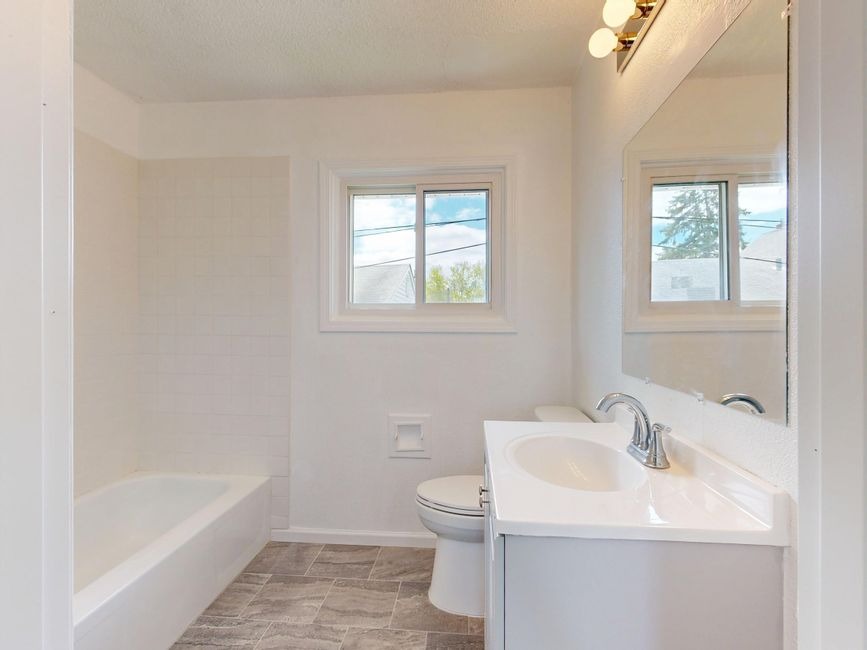
A bathroom remodel can improve a rental property's appeal, but it can also consume a significant portion of an owner's maintenance budget. Fixtures, labor, waterproofing, and unexpected repairs all affect the final cost, while construction delays can mean lost rental income. The challenge is to invest enough to improve the property without paying for features tenants may not value. A successful remodel starts with a clear financial goal, realistic cost estimates, and a plan that balances durability with long-term cash flow.
Start With the Numbers, Not the Design
Before choosing tile, faucets, or vanity finishes, identify why the bathroom needs attention. Is it visibly outdated, difficult to maintain, or generating repeated repair calls? Are prospective tenants choosing competing properties because your unit feels less appealing? The answer helps determine whether you need a cosmetic refresh or a more substantial renovation.
Consider how the project could affect rental performance. Improvements might support a competitive rent, reduce maintenance calls, or help attract tenants more quickly. However, higher rent is never guaranteed simply because a bathroom looks newer.
Estimate the potential benefits conservatively and compare them with the total project cost. Include materials, labor, permits where required, cleanup, and any income lost while the unit is unavailable. This approach gives you a more realistic basis for deciding how much to spend.
Compare Estimates That Cover the Same Work
Contractor estimates are only useful when they describe comparable projects. One quote might include demolition, waterproofing, fixture installation, and cleanup, while another covers only selected labor and materials.
When researching the cost of a bathroom remodel, distinguish between a cosmetic refresh and a complete renovation. These projects involve different levels of labor, materials, and disruption, so comparing headline prices alone can be misleading.
Prepare a written scope covering demolition, flooring, plumbing, ventilation, lighting, the vanity, wall finishes, and final cleanup. Ask each contractor to identify exclusions, allowances, payment terms, and estimated completion dates. A detailed estimate makes it easier to identify missing costs before work begins and reduces the risk of disputes later.
Understand What Drives Remodeling Costs
Bathroom renovation expenses extend beyond visible finishes. Demolition, debris removal, plumbing work, electrical adjustments, waterproofing, flooring preparation, and fixture installation can all influence the final invoice.
Layout changes are particularly important. Keeping the toilet, vanity, and shower in their existing positions can help limit plumbing and labor expenses. Moving drains or supply lines may be necessary in some bathrooms, but it should solve a genuine functional problem rather than simply satisfy a design preference.
Material choices also affect the budget. Durable porcelain tile, standard-size vanities, and readily available fixtures can offer a practical balance between appearance and replacement costs. Premium finishes may be appropriate for a higher-rent property, but they are not automatically a better investment.
Build a Budget That Can Absorb Surprises
Even a carefully planned renovation can reveal problems once old finishes are removed. Water damage beneath the flooring, deteriorated subfloors, corroded plumbing, and damaged framing may require immediate attention.
Set aside a contingency reserve rather than committing the entire budget to planned work. The appropriate amount depends on the property's age, visible condition, and project complexity. A bathroom with a history of leaks generally deserves more financial breathing room than one needing only cosmetic improvements.
Construction time also has a financial impact. If the bathroom is the rental unit's only full bathroom, the work may prevent tenants from occupying the property comfortably. Coordinate the schedule carefully, especially when renovations fall between leases.
For practical advice on hiring contractors and reviewing estimates, the Federal Trade Commission's guide to avoiding home improvement scams explains why written estimates, contractor credentials, and clear agreements matter.
Choose Upgrades That Reduce Future Maintenance
Rental bathrooms need to withstand repeated use. Features that look impressive in photographs may not be the most economical choices if they require specialized cleaning, difficult repairs, or expensive replacement parts.
Prioritize reliable plumbing fixtures, practical storage, adequate lighting, and flooring suited to wet environments. A well-installed exhaust fan can also help manage moisture, reducing the likelihood of recurring mildew and damage to finishes.
Choose standard, readily available products whenever possible. If a faucet, mirror, or light fixture eventually needs replacement, common sizes and finishes make repairs easier. Consistency across multiple rental units can provide additional benefits by simplifying purchasing and maintenance.
Moisture control deserves particular attention. The Environmental Protection Agency's guide to mold, moisture, and indoor environments explains why fixing leaks, controlling humidity, and maintaining ventilation are important for preventing mold growth. Addressing these issues during renovation can help protect the finished work.
Know When to Repair, Refresh, or Replace
A complete remodel is not always necessary. If the plumbing works properly and the bathroom has no significant water damage, replacing a worn vanity, updating lighting, repairing grout, and refreshing the paint may be sufficient.
A targeted refresh can improve the room's appearance without the expense and disruption of rebuilding it. However, cosmetic work should never conceal underlying problems. Repeated leaks, extensive deterioration, failed waterproofing, or unsafe electrical conditions require appropriate repairs before new finishes are installed.
A full renovation makes more sense when several major components are failing together. Replacing them within one coordinated project may be more practical than repeatedly paying for separate repairs. The decision should reflect the bathroom's actual condition, not a desire to make every surface look new.
Match the Finish to the Rental Strategy
The right finish level depends on the property's intended tenants, rental price, and overall condition. An upscale unit may benefit from more refined finishes, while a modest rental usually needs clean, durable materials rather than luxury features.
Review comparable rental listings to understand what prospective tenants are likely to expect. Focus on functional improvements that help the bathroom feel maintained and comfortable. Attractive lighting, a clean shower enclosure, adequate storage, and coordinated finishes can create a positive impression without an extravagant budget.
Avoid spending heavily on features that do little to improve usability or reduce maintenance. A remodel should support the property's position in the rental market rather than push its costs beyond what the expected income can justify.
Measure the Results After the Work Is Done
Once the renovation is complete, record the total expenditure and compare it with your original budget. Track maintenance requests, vacancy periods, achieved rent, and tenant feedback over subsequent leasing cycles.
These figures help determine whether the project delivered practical benefits. They can also guide future renovation decisions, allowing you to identify which materials last well and which upgrades provide little measurable improvement.
The best bathroom remodel is not necessarily the cheapest or most luxurious. It is the one that solves the right problems, stays within a sensible budget, and supports the property's long-term performance. By planning around operating costs, durability, and realistic rental expectations, you can make renovation decisions with greater confidence and fewer expensive surprises.





