



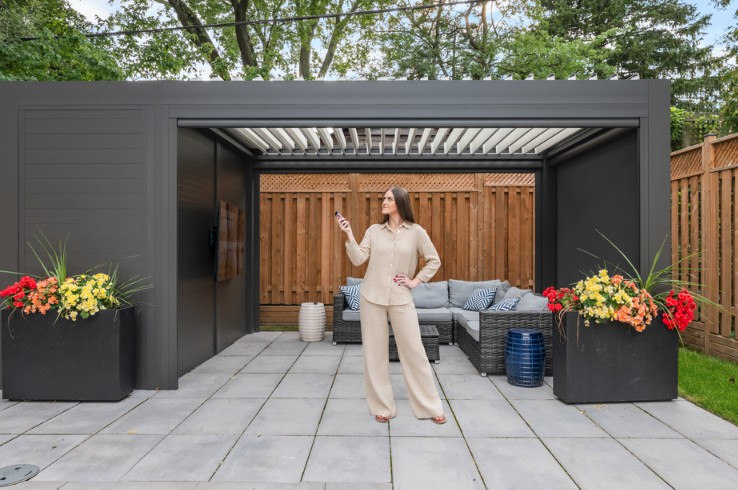
A rental patio has to remain usable between inspections, not just look appealing at a viewing. Loose decking, a damaged shade mechanism or a blocked drain can become a recurring management task. When responsibility for care is unclear, a small fault may remain unreported until it affects the surrounding structure.
Tenant turnover adds another difficulty. New occupants may not know how to retract a screen, where a drain discharges or which surfaces need gentle cleaning. Durable materials help, but straightforward operation and a clear handover matter just as much.
A condition survey can separate cosmetic wear from problems that need prompt attention:
flaking finishes indicate areas requiring closer assessment and surface repair;
loose fixings or noticeable movement warrant investigation of the connection;
trapped water suggests that drainage or surface levels need checking;
stiff controls may reveal an obstruction, wear or an alignment problem.
Recording the location and taking dated photographs makes later comparisons more reliable. A spreading defect deserves a different response from a stable mark that affects appearance alone.
Compare Materials by Lifetime Maintenance, Not Purchase Price
The installed price is only the first part of an outdoor improvement's cost. Cleaning, inspections, refinishing, replacement parts and labour all influence the budget over the years. Access matters as well: a small repair can become expensive if reaching it requires dismantling a permanent screen or hiring special equipment.
Two proposals are easier to compare when they cover the same completed scope. One may include foundations and installation while another lists only the frame. Maintenance allowances should also reflect the property's exposure and available management time, rather than a generic claim that a material needs little care.
Where Metal Structures Can Reduce Routine Upkeep
A metal pergola can be a practical alternative where repeated timber refinishing would be difficult to manage. Treated wood still needs checks for decay, splitting and loose connections, while the condition of its finish influences appearance. Steel requires suitable corrosion protection, particularly at damaged coatings and vulnerable joints.
Aluminum does not develop iron rust, but it is not immune to corrosion or surface damage. Compatible fasteners, suitable finishes and cleaning remain important. An adjustable metal roof also contains joints and moving parts that require attention independently of the frame material. Choosing metal may reduce some routine work without removing the need for inspections.
Choose Features That Fit the Property's Actual Use
A family rental, a short-stay apartment and a shared courtyard place different demands on a patio. A simple shaded table may suit one property better than a fully equipped outdoor kitchen. Features that need frequent instructions or specialist servicing should have a clear purpose before they are added.
Ease of use should be tested from an occupant's perspective. Controls need to be identifiable, circulation routes should remain clear and doors should not conflict with posts or furniture. Roofs and screens must not be treated as climbing equipment or supports for unapproved suspended items.
For shared areas, the owner also needs a workable method of managing faults. An accessible reporting contact and a short operating guide are often more useful than leaving a long technical manual in a drawer. The guide can explain normal use while reserving adjustments and repairs for the appropriate contractor.
Build Outdoor Structures Into the Maintenance Schedule
A patio inspection works best when it is linked to existing property visits and adjusted for local exposure. The maintenance record can group tasks by the part of the installation involved:
connections and supports, noting movement, damage or missing hardware;
drainage paths, removing debris through the approved maintenance method;
roof mechanisms and screens, checking unobstructed travel and unusual noise;
finishes and adjacent planting, identifying abrasion, trapped moisture or blocked access.
Checks after significant weather can supplement the regular schedule when circumstances warrant them. A tenant's report should not be delayed until the next planned visit if it suggests a safety issue.
The purchase file should retain part references, maintenance instructions and service contacts, so a future manager can arrange the correct repair. A maintenance budget should distinguish recurring cleaning from occasional component replacement. Keeping those costs separate helps an owner identify whether an expensive feature earns its place through regular use or simply adds another service obligation.
Predictable ownership costs come from matching the installation to actual use and documenting its care, not from assuming that a durable frame makes the entire patio maintenance-free.