



Owning commercial or multi-family rental property comes with constant decisions about ongoing maintenance and strategic capital investments. Every dollar spent needs to protect the structural integrity of the building or drive higher net operating returns. Choosing smart capital upgrades prevents costly emergency repairs down the road. Real estate assets require consistent care to retain market value and attract dependable, high-quality tenants.
Roofing Systems and Weatherproofing
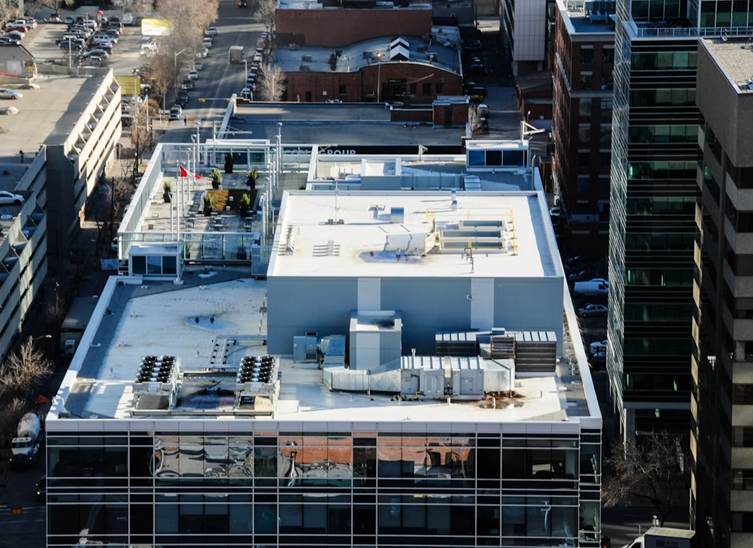
A sturdy roof serves as the primary line of defense against severe weather and moisture damage. Property owners who notice leaks, damaged membranes, or other warning signs should have the roof assessed by qualified roofing professionals before problems worsen. To understand the available options for addressing these issues, property owners can see their commercial services and consider which solutions may suit the building's roofing needs. Regular inspections and durable roofing materials can help prevent minor problems from becoming more costly repairs.
Water intrusion causes immediate damage to ceiling tiles, insulation, and electrical systems. Replacing aged membrane roofs with durable synthetic materials prevents internal leaks during heavy storms. Proper drainage systems prevent standing water from eroding roof seals and asphalt coatings. Adding attic ventilation helps control thermal buildup under the roof deck, extending material lifespan.
HVAC Retrofits and Ventilation Control
Heating and cooling equipment consumes a massive portion of a rental building's operating budget. A publication from energy experts notes that high-impact retrofits include air economizers, heat and energy recovery ventilation, demand control ventilation, and building automation systems. Modern mechanical setups lower operational costs and keep occupants comfortable throughout seasonal shifts.
Replacing older heat pumps with high-efficiency units lowers monthly electric demands. Advanced ventilation systems manage indoor moisture levels, keeping wall framing dry and structural wood sound. Regular filter changes and coil cleaning maintain optimal airflow across large multi-tenant units.
Automated thermostats give property managers better remote control over vacant units. Controlling indoor temperatures during turnover periods prevents frozen pipes in winter and excess humidity in summer.
Energy Modernization and Smart Controls
Tenants routinely look for properties with lower utility footprints and modern management tools. An industry report highlighted how swapping out outdated lighting with LED systems, upgrading HVAC systems, and incorporating smart energy controls can lead to substantial savings on utility bills. Lower energy demands increase net operating income across commercial portfolios.
Smart sensors detect open windows and adjust heat output automatically. Sub-metering systems allow property owners to bill utility usage accurately to individual units, encouraging responsible energy habits among residents. Motion-activated switches in common hallways reduce unnecessary power waste around the clock.
Installing solar panels or reflective roof coatings reduces heat absorption during summer months. Lower ambient surface temperatures extend the lifespan of mechanical equipment mounted on top of the structure.
Plumbing Integrity and Leak Detection
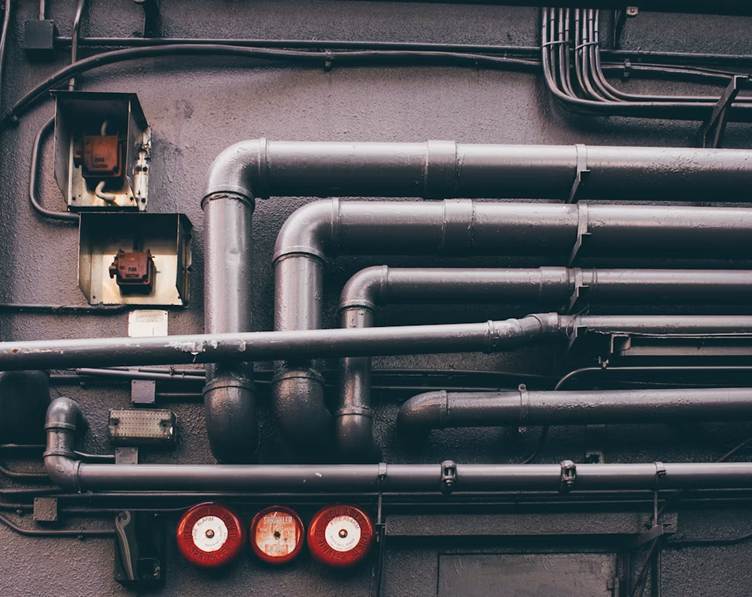
Water leaks rank among the fastest paths to severe structural rot and mold growth. Unnoticed drips behind drywall slowly weaken floor joists and cause foundation settlement issues. Early detection preserves building materials and keeps remediation costs manageable.
Installing automatic shutoff valves near main water lines stops sudden pipe bursts from flooding lower floors. Wireless water sensors placed near water heaters notify maintenance teams instantly when moisture appears.
Upgrading old galvanized steel pipes to PEX or copper prevents rust build-up and pressure drops. Clean water lines preserve water quality for residents and protect internal plumbing fixtures from premature wear.
Exterior Envelope Upgrades
Building envelopes dictate how hard internal mechanical systems work to maintain set temperatures. Tight sealing around exterior walls stops thermal loss and blocks pest entry points. Modern siding materials shield inner walls from persistent rain exposure.
Key upgrades to prioritize include:
- High-efficiency thermal windows that block ultraviolet rays and exterior street noise.
- Spray foam insulation in attic spaces to reduce thermal loss through the roof structure.
- Weather-resistant barrier wraps installed behind exterior wall panels.
- Heavy-duty steel entry doors equipped with commercial deadbolts.
Upgrading window caulking every 5 years stops draft infiltration. Double-pane glass panels maintain room temperatures without putting extra strain on heating units during cold snaps.
Security and Access Management
Physical security influences tenant retention rates and property values directly. Bright exterior lighting, security gates, and digital surveillance cameras deter unauthorized access effectively. High visibility lighting encourages safe movement around common outdoor walkways.
Keyless entry systems allow managers to change access codes remotely between lease contracts. Digital access logs track who enters common areas, reducing liability risks for building owners.
Surveillance coverage near parking zones and entry doors provides peace of mind for occupants. Well-lit pathways lower safety risks and decrease property insurance premiums across annual renewals.
Electrical System Modernization
Older structures often feature outdated panel boxes that struggle under modern power demands. Upgrading main electrical panels to 200-amp service prevents frequent breaker trips and electrical fire risks. Modern circuit breakers handle heavy appliance loads safely without frequent service interruptions.
Adding surge protectors across the main electrical panel shields HVAC systems and shared appliances from lightning strikes. Dedicated circuits for heavy machinery prevent voltage drops across the rest of the property.
Installing electric vehicle charging stations in parking areas adds a premium feature that appeals to high-value tenants. Modern electrical capacity supports these additions without risking unexpected grid overloads.
Protecting a rental investment requires a proactive approach toward physical infrastructure upgrades. Modernizing core structural and mechanical elements keeps tenant satisfaction high and prevents expensive emergency repairs. Planned capital improvements secure steady rental income and preserve long-term asset value.