



A roof failure closes an elementary school on Thursday. By Monday, the district will have shade, power, accessible ramps, and marked exits set up in a partner church parking lot.
Classes restart while repairs begin.
That’s temporary structure planning done right.
If you lead facilities for a Carolinas school district, manage emergencies, or own property in the Charlotte area, you know how fast disruptions hit. Storms, fires, and major repairs can shut a building down overnight.
The real question is how quickly you can get students learning again, safely and legally.
Key Takeaways
Tent schools work when speed is matched with code compliance, tight operations, and strong documentation.
Speed with guardrails. Tent classrooms support short-term continuity, typically under 180 days. The 2021 International Building Code (IBC) treats structures used 180 days or more as permanent construction.
Codes come first. Calculate occupant loads, design exits and signage, and keep NFPA 701 flame-test certificates on site.
Site selection matters. Flat, paved, drainable surfaces with utility access beat open fields. Respect Charlotte’s 20-ft separation rules and equipment setbacks.
Climate and air quality need a plan. Use outdoor-sited heaters and ducted heat pumps, check NWS HeatRisk daily, and follow the 30-minute lightning pause rule.
Paper trails protect everyone. Permits, certificates, daily inspection logs, and weather notes protect students and support FEMA reimbursement.
What Is a Tent School?
A tent-school is an engineered, code-compliant membrane structure used as short-term classroom space on a prepared site.
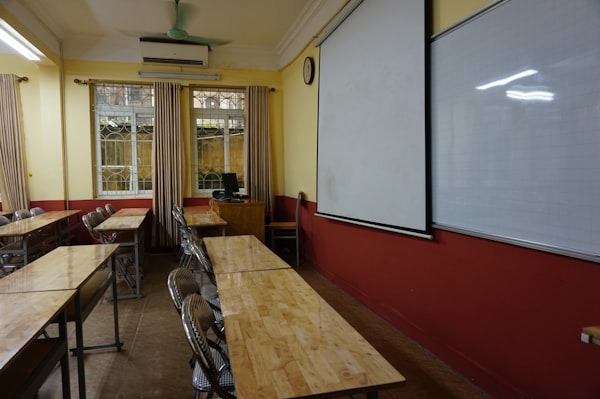
In practice, that means one or more flame-resistant, rated structures set on a parking lot or field with flooring, ramps, power, lighting, and HVAC. It’s not a permanent replacement, it’s a bridge that keeps instruction moving while you repair or rebuild.
Under the 2021 IBC, a structure used for fewer than 180 days is regulated as temporary. Cross that threshold and you’re typically treated as permanent construction, with much heavier requirements.
If your timeline looks longer than a semester, start planning for modular classrooms or alternate schedules now.
What To Plan So Students Learn Safely
Safe tent classrooms come from five workstreams running in parallel, not a single “drop it in the lot” quote.
I break planning into five tracks. Miss one and you risk delays, violations, or unsafe conditions.
Site and utilities. Start with a hard, level surface with reliable drainage, then confirm there’s no floodplain conflict. Keep 20-ft fire lanes open and plan for buses, parent pickup, and deliveries. Charlotte guidance commonly requires a 20-ft minimum separation between tents and lot lines, buildings, other tents, and fire apparatus. Run power through GFCI (ground-fault circuit interrupter) protection and use cable ramps where cords cross walkways. Size restroom trailers to enrollment and staff counts, not best-case attendance.

Life safety and egress. Use IBC Table 1004.5 to calculate occupant load, then design exits around the number you document. Classrooms commonly start at 20 net square feet per person, but your layout can push that up or down. Any point inside a Charlotte-permitted tent must be within 100 ft of an exit, and tents serving 50 or more occupants need illuminated exit signs. Keep NFPA 701 certificates on site before opening day, along with your floor plan and posted occupant load.
Climate control and weather stops. Charlotte requires forced-air heating equipment located outdoors, with ducting into the tent. LP gas containers must sit at least 10 ft from the tent for containers of 500 gallons or less, and 25 ft for larger ones. For cooling, ducted heat pumps are usually the cleanest approach. Check HeatRisk, a National Weather Service tool, each morning and adjust recess, PE, and dismissal lines when risk is high. Follow NOAA’s lightning rule, move indoors at the first thunder and wait 30 minutes after the last.
Accessibility. Provide an accessible route from parking to every learning space. ADA (Americans with Disabilities Act) standards cap ramp slope at 1:12 and require landings, and handrails in common ramp conditions. Maintain 36-inch clear pathways, provide accessible restrooms, and keep door thresholds and transitions smooth. If your floor system creates a lip, fix it before students arrive.
Classroom experience. Plan for sound, light, and tech on day one. Reduce echo with acoustic panels or baffles, then use high-CRI (color rendering index) LED lighting with diffusers to avoid glare. Secure whiteboards and screens to the floor system, not loose stakes or soft walls. Keep cables off walking paths and use a Wi-Fi mesh when a single access point can’t cover multiple tents. If you want portable filtration, specify HEPA (high-efficiency particulate air) units and confirm power and placement.
Where To Place Your Tent School
The best location is the one your fire marshal can approve quickly and your utilities can reach without expensive workarounds.
Pick a site that reduces permit friction, shortens utility runs, and keeps families close to their normal routines.
Option | Pros | Watchouts
|
|---|---|---|
On-campus parking lot | Existing power and data, familiar traffic patterns | Utility locates, stormwater, bus loop disruption |
Partner property (church, retail, office) | Large paved lots, community goodwill | Zoning permits, insurance, restroom tie-ins |
Split/hybrid placement | Multiple small lots near affected neighborhoods | Coordinating bell times, shared admin and nurse spaces |
If you use a partner landlord, tie the term to the repair schedule and define who restores what, and when. Lock in a traffic plan for school hours, including staff parking, parent stacking, and emergency access.
How To Budget and Fund Rapidly
A realistic budget assumes delays, weather stops, and scope creep, even when everyone wants a fast reopening.
Build a 12-week budget even if you expect only six weeks of use. Typical line items include tents, flooring, ramps, HVAC, generators, restroom trailers, fencing, classroom furniture, permits, inspections, and daily operations labor. Carry a 10 to 20% contingency because change orders are common once the site is staked and utilities are mapped.
After a declared disaster, FEMA Public Assistance may fund temporary relocation of essential services, including K-12 education, under Stafford Act §403. Coordinate with your emergency manager early and track costs in a separate job number. Keep daily inspection notes and weather logs, because that’s what auditors ask for when they validate eligibility and reasonableness.
Vendor Shortlist and Contracts
Strong contracts force documentation up front and make “stop use” decisions automatic, not emotional.
Your RFP should require NFPA 701 certificates for all fabric, stamped anchoring and ballast plans, HVAC sizing calculations with outside-air specs, and the full exit sign and lighting package. Require proof of insurance, a written service response time, and a named point of contact who can authorize fixes the same day.
When you’re trying to reopen in days, not weeks, it helps to have a vendor option that’s designed specifically for education use, with known documentation packages and predictable lead times, so your team can focus on permitting, utilities, and daily operations. Need a fast, purpose-built classroom tent? Consider American Tent’s tent school as a pre-engineered option you can deploy on a prepared, permitted site.
Put clear stop-use language in every agreement tied to wind, lightning, and heat triggers. If a vendor can’t show documented thresholds and an evacuation plan, keep looking.
Daily Operations and Safety Monitoring
Daily checks keep a temporary campus predictable, safe, and defensible.
Short checklist, every day, no exceptions.
Before the bell: Walk every exit path and confirm it’s clear, unlocked, and well lit. Verify anchoring points, flooring transitions, and ramp stability. Confirm HVAC operation, required fuel setbacks, and that extinguishers are visible and in date.
Weather routine: Check HeatRisk and adjust outdoor time, hydration, and dismissal lines when risk is elevated. Apply the 30-minute lightning rule and document when you paused activities and when you resumed. If you’re using portable HEPA units, confirm they’re running and not blocked by furniture or bags.
End of day: Re-check exits and anchoring after student traffic, then update fuel and service logs. Reset signage if it shifted and note any damage for overnight repair. Send a short status update to staff and families when conditions affect schedules.
Make Temporary Schools an Asset, Not a Liability
A tent-school should reduce disruption without creating a new risk profile.
Use the time you gain to stabilize routines and accelerate permanent repairs or a modular transition. The districts that reopen quickly treat the tent-school like a project with owners, checklists, and documentation, not a last-minute scramble.
FAQ
These are the questions code officials, administrators, and families usually ask first.
How Long Can a Tent School Operate?
Under modern codes, temporary structures are typically intended for fewer than 180 days. Longer deployments are usually regulated as permanent buildings, so plan your transition early if repairs run long.
Are Tent Schools Legal in North Carolina and South Carolina?
Yes, when they’re permitted and inspected under the adopted state building and fire codes, plus local fire marshal guidance. Start with your local authority having jurisdiction (AHJ) so the design matches what they’ll approve.
What Occupancy Math Should I Use?
For typical classrooms, start with IBC Table 1004.5 at 20 net square feet per person. Use that occupant load to size exits, exit signs, emergency lighting, and your posted room limits.
Can You Heat and Cool a Tent Safely?
Yes, with outdoor-sited forced-air heaters or ducted heat pumps and proper setbacks for fuel and generators. Avoid any open-flame devices inside the structure.
Is FEMA Funding Possible?
After a declared disaster, temporary relocation of essential services, including education, may be eligible under FEMA Public Assistance. Eligibility lives and dies on documentation, so separate your costs and keep daily logs.





