



Why Rental Property Owners Should Never Ignore Structural Warning Signs
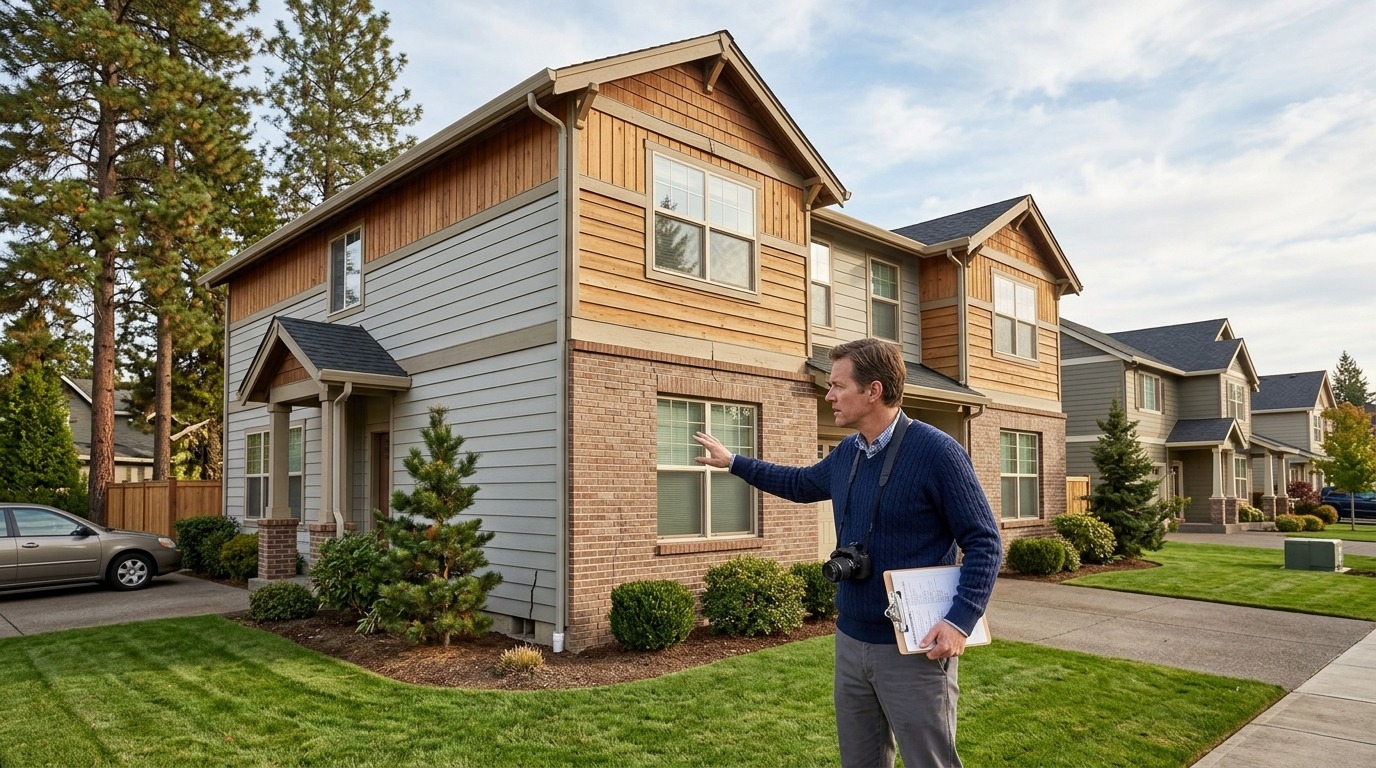
A rental property can look perfectly fine from the street while serious structural problems are developing behind the walls, beneath the floors, or around the foundation. For a landlord, a small crack or uneven floor may seem like a maintenance issue that can wait until the next repair cycle. Sometimes it is harmless. Sometimes it is the first visible sign of a much larger problem.
That is why professional structural inspections should be part of responsible property ownership, especially when warning signs keep returning or appear to be getting worse. A structural issue can affect tenant safety, property value, insurance concerns, and the long term cost of ownership. Knowing what to watch for and when to bring in an engineer can help rental property owners make better decisions before a minor concern turns into an expensive repair.
Which Structural Warning Signs Should Rental Owners Watch?
Not every crack means a building is failing. Buildings naturally move and settle over time. The important question is whether the condition is changing, spreading, or accompanied by other signs.
Cracks That Keep Growing
Small hairline cracks in paint or plaster are often cosmetic. More concerning are cracks that become wider, extend through masonry, appear around doors and windows, or continue to grow. Pay attention when:
A crack becomes noticeably wider over time
Cracks run diagonally from window or door corners
Similar cracks appear in several rooms
Exterior masonry develops long or stepped cracks
Doors or windows suddenly become difficult to operate
The pattern matters as much as the crack itself. A single surface crack may need nothing more than monitoring, while several related cracks can point to movement in the structure.
Uneven Floors or Sloping Areas
A floor that feels slightly uneven may be an old construction characteristic. A noticeable slope that has recently developed is different.
Changes in floor level can sometimes be associated with foundation movement, settlement, deteriorated framing, moisture damage, or other structural conditions. Rental owners should be particularly cautious when an uneven floor appears alongside sticking doors, wall cracks, or gaps around trim.
Doors and Windows That Suddenly Stick
Property owners often blame humidity, swelling wood, or worn hardware when a door stops closing properly. Those explanations can be correct, but they are not the only possibilities.
If several doors or windows begin sticking in different parts of a property, it is worth looking beyond the hardware. Changes in the building's alignment can sometimes affect openings throughout a structure.
Why Delaying an Inspection Can Become Expensive
Structural problems rarely become cheaper simply because they are ignored. Consider a rental property where water has been entering around an exterior wall for years. At first, the owner may notice staining or damaged drywall. Eventually, persistent moisture can affect wood framing, fasteners, finishes, and other building components. By the time the problem becomes obvious to a tenant, the repair may involve much more than repainting a wall.
The same principle applies to foundation movement. Early investigation can help determine whether movement is stable, seasonal, or progressive. Waiting until doors no longer close or cracks become extensive can leave an owner with fewer practical repair options.
There is also a business consideration. A serious structural defect can affect:
Tenant confidence and safety
Property marketability
Maintenance planning
Repair budgets
Potential liability
Future renovation decisions
An inspection does not automatically mean expensive repairs are needed. In many cases, its value is simply knowing what the problem actually is.
When Should You Arrange Professional Structural Inspections?
There is no single inspection schedule that fits every rental property. The age, construction type, location, previous repairs, environmental exposure, and condition of the building all matter. An owner should strongly consider an engineering assessment when:
New structural cracks appear and their cause is unclear.
Existing cracks are getting larger or appearing in new locations.
Floors, walls, or ceilings appear to be changing shape.
Doors and windows throughout the property begin sticking.
There has been significant water intrusion near structural components.
A property has experienced storm, impact, fire, or other major damage.
A renovation will remove walls or modify structural elements.
A previous repair appears to have failed or the same problem has returned.
For owners dealing with recurring or uncertain structural concerns, an inspection by a qualified professional can establish what is happening and what should be investigated next. Property owners in Miami-Dade who need an assessment can learn more about professional structural inspections through Askgbatista.
What Happens During a Structural Inspection?
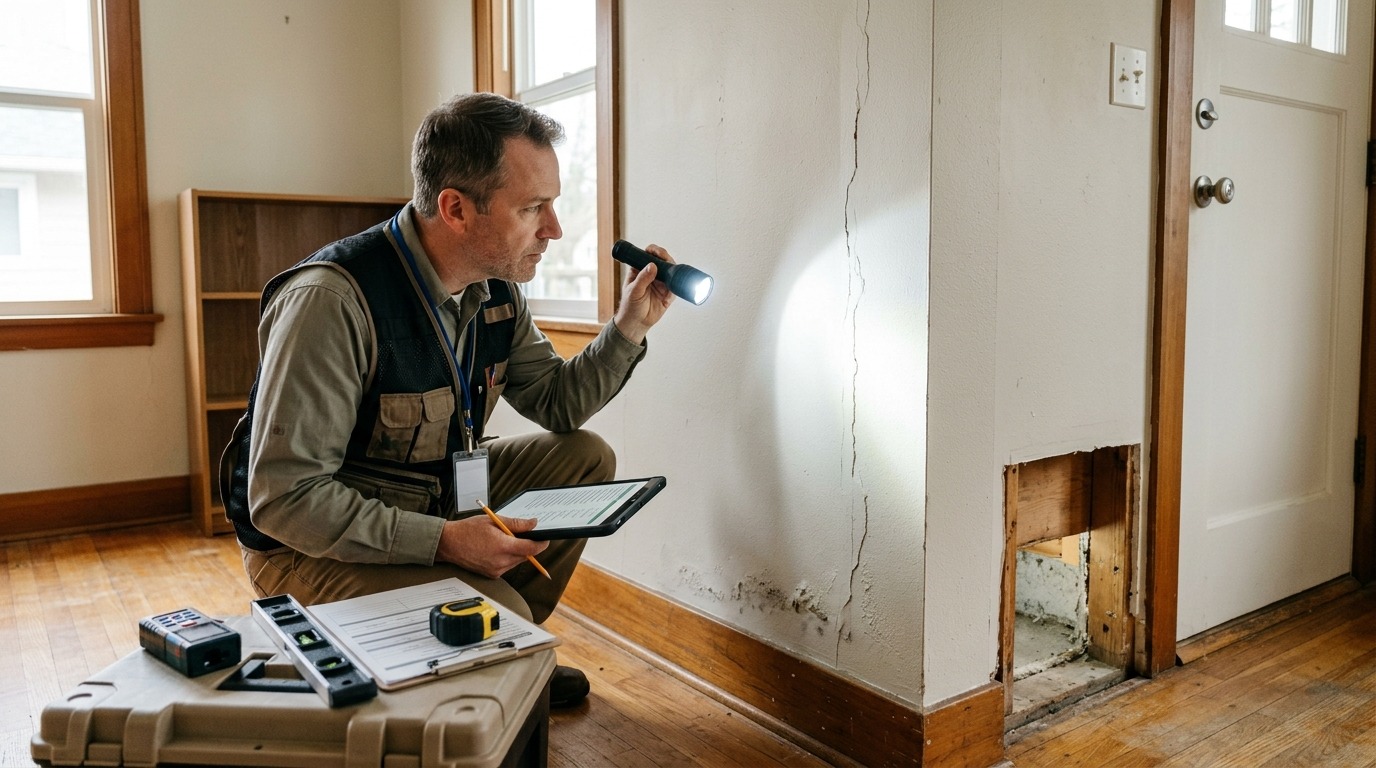
A structural inspection is more than walking through a property and pointing at cracks. The professional typically reviews visible structural components and looks for patterns that could indicate movement, deterioration, overloading, moisture-related damage, or other concerns. Depending on the property and issue, this may involve examining foundations, columns, beams, load-bearing walls, floors, roofs, connections, and other accessible components.
The process generally involves:
1. Visual assessment:
The inspector documents visible conditions and identifies areas that need closer attention.
2. Pattern recognition:
Cracks, deflection, settlement, corrosion, moisture damage, and other observations are considered together rather than in isolation.
3. Background review:
Previous repairs, renovations, building history, available drawings, and known property problems can provide useful context.
4. Engineering evaluation:
When necessary, measurements, calculations, testing, or further investigation may be recommended.
5. Recommendations:
The owner receives guidance on what needs attention, what should be monitored, and whether further engineering work or repairs are appropriate.
This is where structural engineering services can become especially valuable. An engineer can help distinguish between a cosmetic condition and a defect that could affect structural performance.
What Rental Owners Can Do Before Calling an Engineer
Owners do not need to diagnose structural problems themselves. Their job is to notice changes and document them. Take dated photographs of cracks and other unusual conditions. Note where they occur and whether they appear to be changing. Ask tenants to report recurring water intrusion, unusual floor movement, sticking doors, or new cracks rather than simply covering them up.
Avoid making structural alterations based on assumptions. Removing a wall, cutting framing, adding heavy equipment, or changing a roof system without understanding the load path can create problems that did not previously exist. A useful rule is simple: if a condition is new, worsening, widespread, or difficult to explain, investigate it rather than guessing.
Structural Inspections Are About Better Decisions
For rental property owners, the goal of a structural inspection is not to find something wrong. It is to understand the building well enough to make a sensible decision. A small crack may turn out to be harmless. A recurring leak may require maintenance rather than structural repair. A combination of cracks, settlement, and movement may deserve a much closer engineering review. The difference is knowing which situation you are dealing with.
Companies such as Askgbatista can serve as a useful resource for property owners who want professional guidance when visible building conditions raise structural questions. Getting an informed assessment early can give owners clearer priorities, better repair planning, and greater confidence in managing a rental property.
Frequently Asked Questions
Are all cracks in a rental property a structural problem?
No. Many small cracks occur because of normal material movement, settlement, temperature changes, or shrinkage. However, cracks that grow, become wider, follow unusual patterns, or appear alongside other signs such as uneven floors or sticking doors deserve closer attention. A qualified professional can determine whether further investigation is warranted.
How often should a rental property have a structural inspection?
There is no universal inspection interval for every rental property. Building age, construction type, location, previous damage, renovations, and maintenance history all affect the need. Owners should arrange an assessment when significant warning signs appear or when the property's condition changes rather than relying only on a fixed schedule.
Can a structural inspection prevent expensive repairs?
An inspection cannot guarantee that repairs will be avoided, but early identification can help owners understand a problem before it becomes more extensive. It may also help prioritize maintenance, identify contributing conditions, and prevent owners from spending money on cosmetic repairs when a deeper issue needs attention.
What is the difference between a home inspection and a structural inspection?
A general property inspection covers many building systems and conditions. A structural inspection focuses specifically on structural components and concerns such as foundations, framing, load-bearing elements, settlement, movement, and deterioration. When a structural concern is identified during a general inspection, additional engineering evaluation may be appropriate.
Should rental owners inspect a property after major storm damage?
Yes, particularly when the property has experienced flooding, wind damage, impact, fallen trees, roof damage, or other significant events. Some structural problems are not immediately obvious. A professional assessment can help determine whether visible damage is cosmetic or whether structural components may have been affected.
What should I do if a tenant reports a new crack?
Document the location and condition of the crack, including dated photographs, and determine whether it changes over time. Do not simply patch it and assume the problem is resolved. If the crack is substantial, worsening, associated with movement, or accompanied by other warning signs, arrange an appropriate professional assessment.
Are structural inspections useful before renovating a rental property?
Yes. Renovations can change how loads move through a building, especially when walls, beams, floors, roofs, or other structural elements are modified. Having the existing structure evaluated before major work can help identify load-bearing components and reduce the risk of making changes that compromise the building's performance.





