



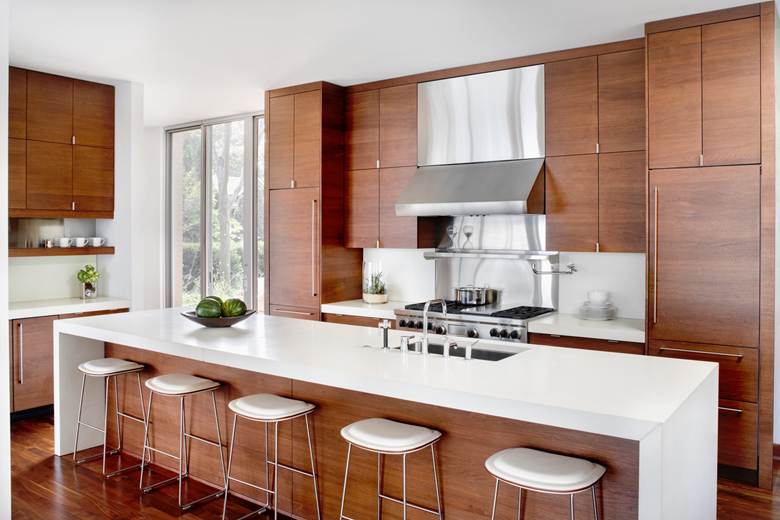
Visual presentation plays a major role in how properties are perceived. Before a potential tenant or buyer visits in person, they often form an opinion based on images alone. Poor visuals can reduce interest, while strong visuals can increase inquiries and shorten vacancy time.
A clear visual strategy helps properties stand out in a crowded market. It also supports faster decision-making and reduces the need for repeated showings.
First Impressions Start Online
Most property searches begin online. Listings with clear, well-lit images tend to receive more attention. Dark or cluttered photos can make even a well-maintained space feel less appealing.
Angles, lighting, and staging all effect how a property looks. Natural light, clean surfaces, and simple layouts help create a more inviting impression. These details may seem small, but they influence how long someone views a listing. Better first impressions often lead to more showings and faster decisions. This can reduce vacancy periods and improve overall efficiency.
Consistency Across Listings
Consistency builds trust and recognition. When multiple properties are presented with the same visual quality, it creates a more professional image. This applies to everything from photo style to layout order.
Using a repeatable format helps potential renters or buyers compare options more easily. It also reflects attention to detail, which can influence how people view the management behind the property. Clear and consistent visuals support a stronger brand presence. Over time, this can improve long-term tenant relationships.
The Role of Professional Equipment
High-quality images often depend on the tools used. Professional cameras, proper lenses, and stable setups can improve image clarity and detail. Even small upgrades in equipment can make a noticeable difference.
Some property managers choose to work with professionals who use tools such as Nikon cameras to capture accurate, high-quality images. This level of detail helps present spaces more realistically and appealingly. Better visuals help reduce misunderstandings and improve expectations before a visit.
Staging and Visual Flow
How a space is arranged affects how it is perceived. Simple staging can highlight key features and improve flow between rooms. Removing excess items helps make spaces feel larger and more open.
Furniture placement, decor, and layout all guide the viewer’s eye. A well-arranged room allows people to picture themselves living in the space. This emotional connection can influence decision-making. Even minor adjustments can improve how a property is viewed.
Measuring Visual ROI
Visual improvements should be tracked like any other investment. Metrics such as listing views, inquiry rates, and time on market can show how effective a visual strategy is.
If updated photos lead to faster leasing or higher interest, the return becomes clear. Comparing performance before and after visual updates can help refine future efforts. Tracking results helps guide better decisions over time and supports smarter marketing choices.
Strong visual strategy supports both marketing and financial performance. Clear images, consistent presentation, and thoughtful staging all contribute to better outcomes. When properties are shown in their best light, they attract more attention and create stronger results for property managers. Check out the infographic below for more information.






