



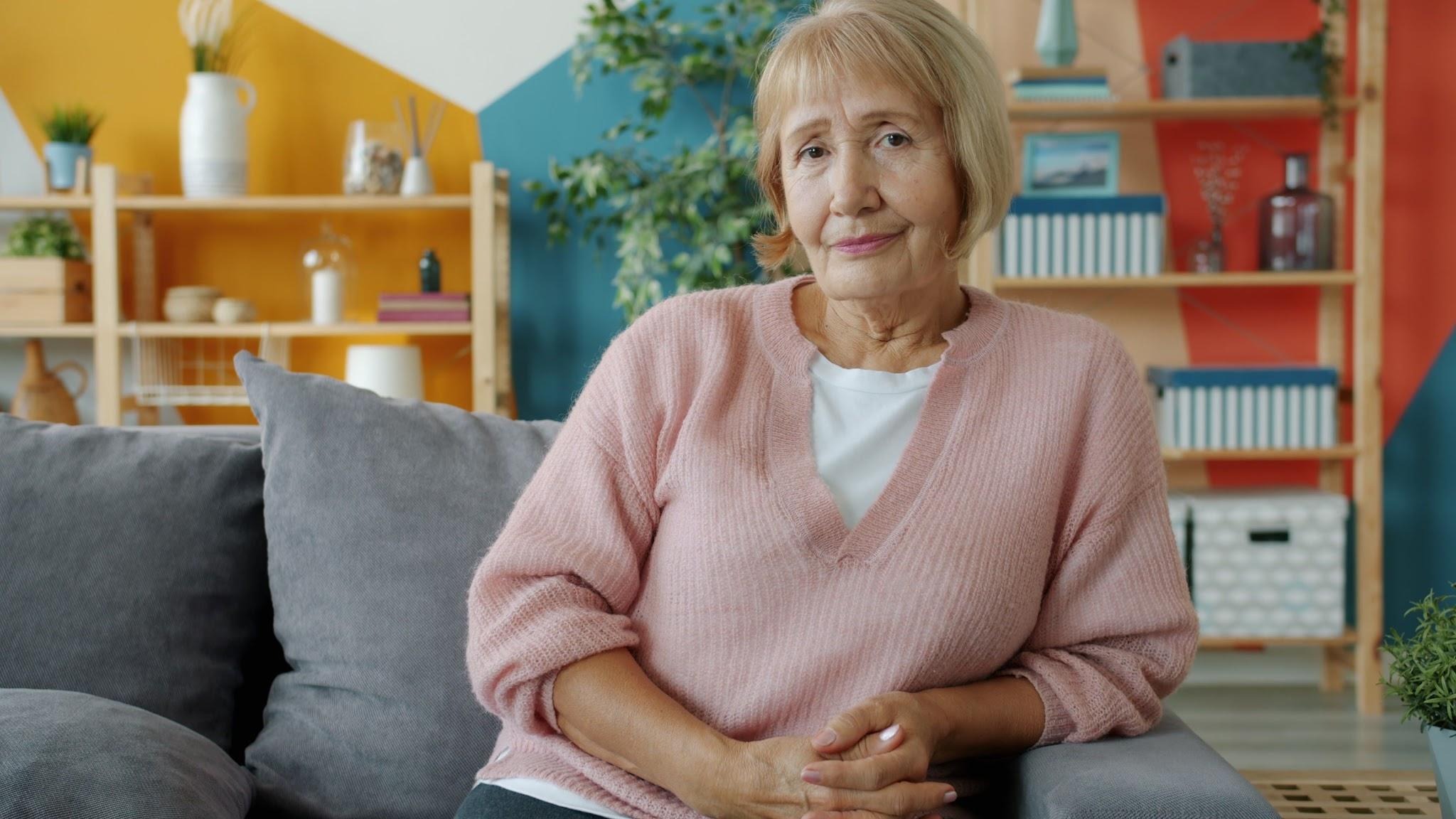
7 Tiny Details For Safer Senior Living
Making a home work well in later life is not primarily about installing rails and alarms; it is about protecting daily rhythm, personal comfort, and the sense of being at home in one's own life. The quieter details matter just as much: storage height, lighting placement, who holds a spare key, and whether someone feels respected rather than merely supervised. Here are seven often-overlooked details worth checking.
1. Step-Free Access and Safe Bathroom Movement
Thresholds, bath edges, and narrow doorways act as daily friction points that chip away at independent routines, especially considering 37 million falls occur among older adults aged 65 and older each year. The practical test involves watching whether a person can enter the bathroom, shower, and return without gripping anything unintended to bear weight.
Several renter-friendly fixes solve these structural issues instantly. Removable suction grab bars, non-slip silicone bath mats, and low-profile threshold ramps address specific risk points without leaving a single nail hole. Securing the bathroom anchors the two highest-risk moments of any day, so physical confidence carries forward into other tasks.
2. Private Storage for Personal-Care Products
Three storage variables determine whether intimate health products remain genuinely accessible. Shelf height must remain reachable without a step stool, drawer depth should keep items visible, and cabinets need close proximity to the sink. Storing items in a communal cupboard turns a private routine into a dependent one.
A woman managing her intimate health might choose NeuEve's hormone-free vaginal moisturizer for later-life comfort to maintain natural balance. She will naturally want that item in a reachable, private drawer rather than a high shelf requiring assistance.
Key Insight: Private storage for personal-care products isn’t a convenience; it’s the line between independence and dependence, dignity and the erosion of control over one’s most intimate routines. |
3. Clear Lighting and Night-Time Routes
The path from the bedroom to the bathroom remains one of the highest-risk journeys, which is concerning since 14 million older adults reported falling in a single recent year. Fortunately, this route is easily fixable with strategic illumination. Plug-in LED night lights positioned along the hallway and motion-sensor strips beneath the bed frame reduce floor risks without forcing anyone to find a switch in the dark.
Consistent lighting layouts also support physical orientation for anyone experiencing mild cognitive changes. Warm amber bulbs work best because they illuminate tripping hazards without disrupting sleep cycles.
4. Emergency Contacts and Permissioned Access
A written list of emergency contacts matters enormously during a crisis, so post this information on the refrigerator or inside a kitchen cupboard door rather than relying solely on a locked smartphone. The individual calling for help might not know the device passcode. Keep this physical list current with full names and two separate contact numbers.
Documenting permissioned access in advance protects physical security and personal autonomy. Property managers typically keep a named emergency contact on file, but this does not grant unlimited property entry, allowing residents to state boundaries clearly in a short written note kept alongside tenancy documents. Key lockboxes featuring resident-chosen codes give the senior direct control over physical access.
5. A GPS-Enabled Watch When Wandering Is a Genuine Concern
Spatial disorientation causes significant distress for seniors facing age-related cognitive decline. A discreet wearable location option offers tangible reassurance. Families compare these devices based on battery life, visual design, alert functionality, and cellular independence.
For example, Tranquil's GPS-enabled tracking watch for seniors living independently offers real-time location updates and customizable safe zone alerts while looking exactly like an elegant everyday timepiece rather than a medical monitor.
With built-in cellular connectivity and a two-way calling function featuring auto-answer capabilities, the wearer never needs a separate smartphone. When the user presses the side button, push notifications instantly reach all pre-set contacts.
Pro Tip: When evaluating GPS watches for seniors, prioritize models with built-in cellular so the wearer needs no smartphone and choose designs that look like a normal watch to preserve dignity. |
6. Privacy Boundaries for Family, Carers, and Property Staff
Three relationships require explicit boundaries in any functional privacy plan. Families must decide who views location data, carers need rules regarding which rooms require a knock, and property staff must understand notice periods.
A one-page personal-access document covers most entry scenarios without requiring legal advice, and reviewing this paper once with a trusted relative establishes clear expectations for everyone involved. Documenting precise preferences protects family members and visiting nurses from uncomfortable ambiguity.
Important: Without a written personal-access document, even well-meaning family members may assume permissions that erode the senior’s autonomy, leaving dignity at risk during stressful moments. |
7. A Documented Review as Needs Change
Even the most effective household setup requires periodic revisiting to remain safe. New medications often affect physical balance, joint mobility shifts gradually, and what felt perfectly safe six months ago might no longer match daily reality. A simple written review catches these environmental shifts early.
Five specific functional items deserve close attention during this recurring household audit. Review storage reachability, check lighting adequacy along night-time routes, verify emergency contact currency, confirm access permissions, and assess technology comfort levels.
Your Person-Led Planning Checklist
Each action item below maps directly to the functional details discussed above. Return to this written list annually or whenever medical circumstances shift.
I can enter my bathroom without an unsafe step or grip.
My personal-care products sit stored where I can reach them privately.
Night-time routes in my home feature clear lighting with accessible switches.
My emergency contacts live written down somewhere highly visible.
I have formally documented who may access my home and under what conditions.
I know what wearable location options exist if disorientation becomes a concern.
I have a specific date in my calendar to review these details again.
The people I trust know my preferences because I wrote them down.
None of these adjustments require a massive renovation. Securing private storage for specialized moisturizers, selecting a discreet tracking wearable, and documenting contact preferences take just one afternoon.