



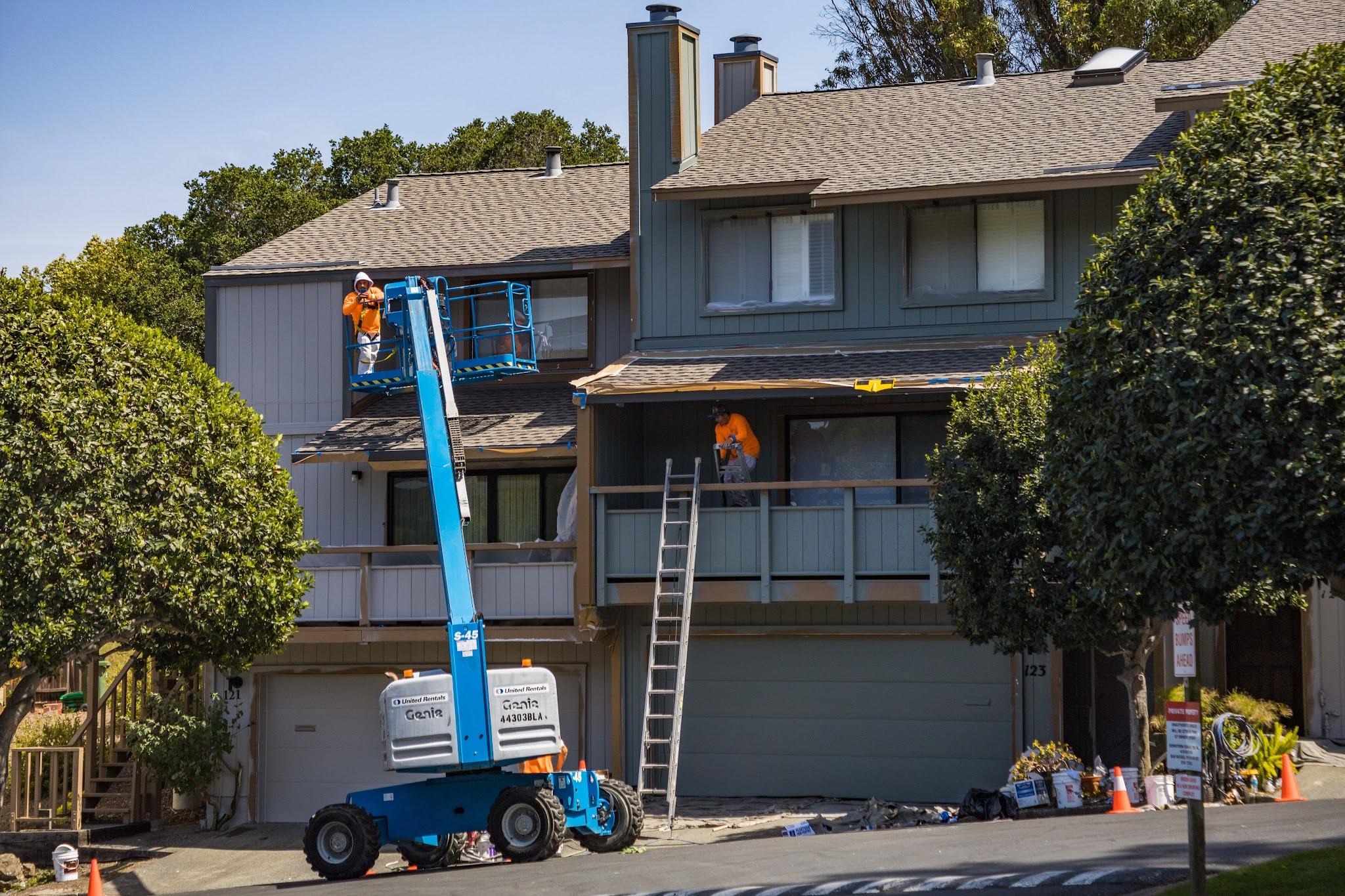
6 Easy Tweaks For Effortless Property Maintenance
Strong property maintenance is a technical operation, not a rotating queue of emergencies. Reactive models bleed vendor budgets at $150 to $300 per outside call, delay repairs across multiple units, exhaust staff, and erode tenant retention.
The fix requires better systems, sharper in-house competencies, and smarter tools rather than additional headcount. The six tweaks below give property managers and in-house tradespeople a concrete implementation path, capped with a 90-day rollout sequence.
1. Define the Competencies Your Portfolio Needs
Most operations hire generalists and assume full coverage without ever auditing what the property actually demands. You must start by mapping repair volume by type, separating weekly plumbing clogs from seasonal weatherproofing tasks. Six categories cover the core requirements, including HVAC basics, plumbing rough-in, basic electrical troubleshooting, lock hardware, drywall patching, and appliance repair.
Match that list against verified team skills rather than assumed ones. A technician handling electrical rough-in at a previous employer might cover a gap you currently pay an outside vendor to fill. Every skill gap generating a vendor call costs real money, and a 40-unit portfolio relying on contractors for basic work compounds expenses quickly.
2. Build a Training and Licensing Pathway for Electrical Work
Electrical work remains the most frequently outsourced skill in property maintenance and the most expensive to keep calling out indefinitely. Helping an employee pursue formal licensure reduces vendor dependency while providing that technician with a tangible career ladder. Apprenticeship hours accumulate on the job, and passing the licensing exam serves as the formal gate into higher-paying internal roles.
The actual barrier for field-tested tradespeople is often the licensing test itself, as many fail their first attempt due to unfamiliar calculation formats. Structured study tools bridge this gap, and using Dakota Prep's NEC-based electrical exam preparation gives working professionals access to practice questions alongside an AI tutor that walks through calculations. A maintenance tech running practice sets during lunch breaks can eventually pass the exam to eliminate two recurring vendor call categories.
Pro Tip: Turn lunch breaks into licensing prep: 90 days of mobile practice sets can move a maintenance tech from field-capable to Journeyman-certified, cutting recurring electrical vendor calls from the weekly schedule. |
3. Document What Must Stay Outsourced
Not every skill belongs in-house because trying to internalize everything creates liability as fast as it saves money. Draft a written boundary list separating internal scope from tasks requiring licensed specialists or code-compliance sign-offs. Specific items staying outsourced include permitted electrical panel modifications, boiler inspections, elevator certifications, and structural foundation repairs.
A documented boundary speeds up vendor calls since the decision is finalized before a new fault occurs. This protocol keeps the operation code-compliant and protects the property from liability when an inspector asks who authorized a repair. Maintain a short vetted vendor list alongside that boundary document, including contact information so desk staff can dispatch without guessing.
4. Standardize Work Orders and Asset Records
Verbal handoffs and informal text threads create invisible backlogs where jobs get missed and repeat faults go undetected. This lack of tracking is costly, as reactive maintenance consumes 40 to 60 percent of maintenance efforts at federal sites compared to the 10 percent seen in best-in-class operations. To fix this, every work order must capture a minimum set of fields, including the unit ID, fault description, assigned technician, resolution notes, and a close-out timestamp.
Asset records for appliances require the exact make, model, age, and warranty status to track long-term maintenance costs. Every single job must generate a record, from a minor clogged drain to a full breaker replacement. This foundational data layer makes monthly metrics reviews possible and turns pattern-spotting into a systematic process rather than an accident.
When a specific apartment generates three plumbing calls in sixty days, the written record surfaces that frequency before it turns into a major water damage claim.
Key Insight: Every work order generates a record from a clogged drain to a breaker replacement. That data layer turns pattern-spotting into a system, surfacing repeat faults before they become water damage claims. |
5. Equip the Dispatch Desk With Reliable Phones
The dispatch desk fields tenant calls, routes technicians, and coordinates vendors in real time. Dropped lines and failed transfers create communication delays that compound across a full day of incoming service requests. An outdated two-line setup missing peak-hour volume can easily push response times past four hours on repairs that should resolve before noon.
Property operations require tested equipment that holds up under daily call volume without consuming the broader maintenance budget. Installing PCLiquidations' certified refurbished Yealink phones offers a practical fit for dispatch desks needing consistent call quality and durable performance. These warranty-backed VoIP models close the operational communication gap for a fraction of the cost of new hardware.
6. Review Response Times and Repeat Faults Every Month
Three specific metrics reveal the true health of any property maintenance operation. The response time diagnoses staffing gaps, as calls sitting open for six hours usually point to a broken routing process.
Certain standards mandate rapid responses, since emergency repairs require landlord correction within 24 hours of notification under uniform physical condition guidelines for housing vouchers. Similarly, a low first-time fix rate indicates inventory shortages, while a high repeat fault rate flags underlying asset problems like a faulty breaker tripping repeatedly.
Schedule a 30-minute monthly review with the maintenance lead using a simple dashboard built directly from your standardized work order data. This cadence is short enough to hold without scheduling resistance but structured enough to generate actionable team adjustments. The resulting data feeds back into your competency priorities, helping you refine outsource thresholds and flag failing assets.
Important: Response time, first-time fix rate, and repeat faults are not optional metrics. If calls sit open six hours or the same breaker trips every three weeks, the routing process or asset is failing to act before an emergency. |
The 90-Day Implementation Sequence
These six adjustments compound significantly when executed in a specific sequence. The table below maps the rollout across three operational phases.
Phase | Tweaks Activated | Actions |
|---|---|---|
Days 1-30: Foundation | Tweaks 1, 3, 4 | Complete the competency audit and produce a written skills gap list. Draft the outsource boundary document and build the vetted vendor list. Set up standardized work order and asset record templates. |
Days 31-60: Infrastructure | Tweaks 2, 5 | Point staff with electrical aptitude toward licensing exam preparation resources. Audit dispatch desk hardware and deploy refurbished phones wherever reliability gaps exist. |
Days 61-90: Review and Calibrate | Tweak 6 | Run the first monthly metrics review using sixty days of accumulated work order data. Adjust competency targets and outsource thresholds based on response data. |
Guiding tradespeople through electrical exam preparation reduces the vendor calls eating your budget, while deploying refurbished business phones eliminates communication failures. Pull these six mechanical levers in sequence, run the cycle for ninety days, calibrate processes based on resulting data, and repeat the cycle.





