



A sudden power failure across a rental unit or commercial property stops work fast. Property owners need a clear plan when dark premises create safety risks for residents. Quick action prevents building damage, protects tenant goods, and keeps property secure during power grid failures. Proper preparation reduces costly delays across residential and commercial units.
Immediate Steps During a Sudden Outage
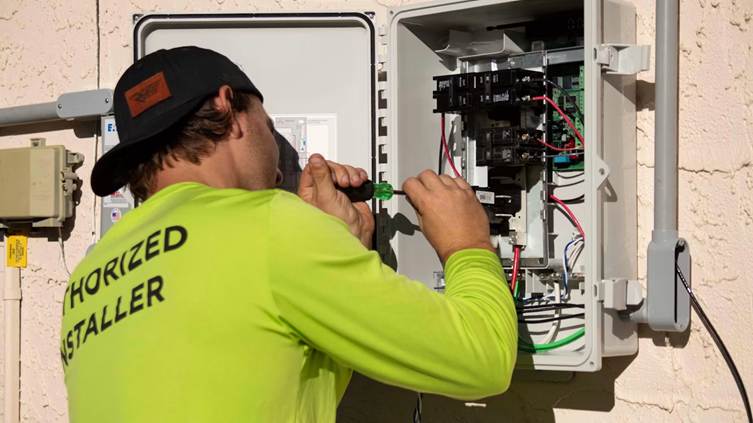
When lights go out without warning, property managers must check the building right away. Contacting emergency electrical services helps resolve sudden breaker trips, dangerous wiring issues, or severe power failures without delay. Fast expert help keeps residents safe and limits long operational downtime.
Start by checking whether neighboring buildings lost power or if the issue affects only one property. Unplugging big appliances across units prevents damage from sudden power surges when service returns. Clear news sent to tenants prevents panic and keeps everyone calm during local repairs. Property staff should keep flashlights and backup keys near main doors.
Assessing Potential Electrical Hazards
Dark hallways and silent breaker boxes conceal serious hazards for real estate managers. One real estate guide suggested inspecting visible wires for signs of damage so owners replace bad lines right away. An electrical safety guide noted that people should never go near the main panel if smoke, active sparks, or water appear nearby.
Immediate safety steps include checking key hazard points:
- An electrician blog reported that a recurring burning smell that comes and goes indicates a severe electrical hazard.
- An emergency service report recommended shutting off the main electrical panel to stop power flow during internal faults.
- An industry article observed that persistent burning odors from switchboards or outlets require turning off main power switches immediately.
A technical guide stated that every emergency repair must adhere strictly to National Electrical Code standards to prevent future hazards. Quick spotting of panel risks protects physical investments from dangerous fires. Building managers should write down all warning signs before local repair teams arrive on site.
Protecting Property, Equipment, and Tenant Assets
Power interruptions impact building cooling units and common area safety. A food safety report explained that a closed fridge stays cold for about 4 hours, and a full freezer holds cold temperatures for 48 hours. A real estate report highlighted that working emergency lights along stairwells and exit routes keep common areas safe for walking tenants.
Commercial tenants expect quick repair times during major power disruptions. A trade report stated that commercial clients demand 24/7 support from service teams responding fast to electrical problems. On-site backup power systems protect sensitive tools from sudden voltage drops. Property owners who share clear food safety rules protect tenant health during long outages.
Building Long-Term Power Resilience
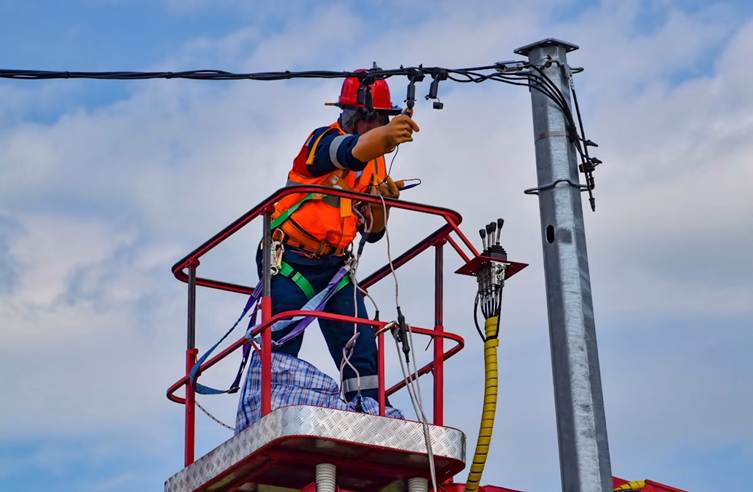
Preparing properties for future power loss requires smart planning. An emergency planning guide recommended identifying main electrical panels, main water shutoffs, gas valves, and critical gear beforehand. Having main shutoff locations clearly marked saves key minutes during sudden emergencies.
Regular maintenance routines reduce unexpected repair bills across rental units. Frequent checks keep electrical boxes safe and compliant with local codes. Landlords who invest in routine safety checks maintain higher tenant retention and lower long-term risks. Regular panel updates protect properties against unexpected circuit overloads during hot summer months.
Managing power failures well protects physical assets and keeps tenants safe. Property owners who stay ready maintain smooth operations through unexpected blackouts.