



What NYC Mold Rules Ask of a Brownstone Landlord
Old rental stock in New York holds moisture very well. Brownstones and walk-ups combine masonry, original plaster and plumbing that has been rerouted more than once. A damp patch in a rear bedroom is an operating problem, and in this city it is a legal one too.
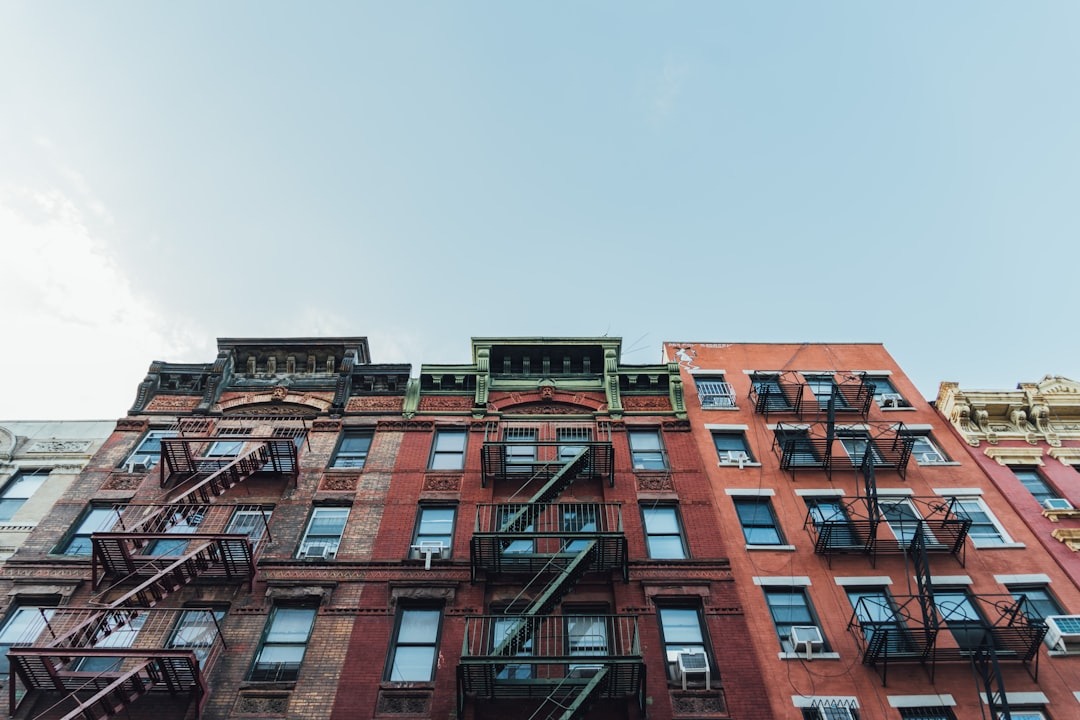
New York City treats indoor mold in a multiple dwelling as a housing hazard with duties attached to the owner. Larger buildings must use licensed mold remediation in Brooklyn brownstones once a violation crosses a defined size. Knowing the sequence before a complaint lands is what keeps a file clean.
What Counts as an Indoor Mold Hazard In a Rental?
Local Law 55 of 2018 added indoor allergen hazards to the Housing Maintenance Code. It reaches mold, mice, rats and cockroaches in multiple dwellings, meaning buildings of three or more units. Since pests sit under the same article, professional pest control belongs in the same annual routine.
The code defines an indoor mold hazard broadly. It covers mold growth on an indoor surface, on building structure, or in a ventilation system, including mold inside wall cavities. Mold on tile or grout is carved out of the mold violation.
The health basis is asthma, which is why the measure is called the Asthma-Free Housing Act. A tenant reporting mold allergy symptoms in one room and nowhere else is describing a building problem. Owner-occupied co-op and condo units, and NYCHA buildings, sit outside the article.
What Does a Tenant Complaint Actually Start?
Two clocks begin, and they are not the same clock. Your duty to investigate starts as soon as the tenant reports the condition or asks for an inspection.
The city's duty runs alongside it. HPD must inspect the unit no later than 30 days after it receives a complaint. Where the inspector finds a violation, HPD serves the notice of violation within 10 further days.
Owners also owe an annual investigation of every occupied unit and the common areas. That yearly sweep is a requirement rather than a best practice. It is also the cheapest way to find a leak before a tenant does.
How Does HPD Class a Mold Violation?
Class follows the measured area of visible mold in a single room. The code sets three tiers:
Less than 10 square feet is a non-hazardous violation.
Between 10 and 30 square feet is a hazardous violation.
Thirty square feet or more is an immediately hazardous violation.
An immediately hazardous mold violation carries a correction date of 21 days after the notice is served. Common areas run on their own figures. There, 30 square feet in one room or hallway level, or 50 square feet in total, makes it hazardous.
Classes can escalate. A hazardous violation turns immediately hazardous if it is not certified corrected in time and a reinspection within 70 days finds the mold still present. A false certification of correction does the same thing.
What Does the Law Require, Not Merely Recommend?
The work practices are written into the rules, so a quick wipe-down does not discharge the duty. An owner correcting a mold violation must investigate and correct the underlying defect, which usually means the leak or moisture condition.
The rules then set the method:
Remove furniture from the work area or cover it with plastic sheeting.
Isolate the area and seal ducts and vents to limit dust spread.
Clean mold with soap or detergent and water, discarding what cannot be cleaned.
Bag waste in sealed, heavy weight plastic and HEPA vacuum the dust.
Leave the area dry and visibly free of mold, dust and debris.
Licensing enters above a size line. HPD requires a New York State licensed mold assessment company and a separate licensed remediation company in defined cases. That applies where a building has 10 or more units and a hazardous or immediately hazardous mold violation was issued. Those firms also file their notification and post-remediation forms with the Department of Environmental Protection.
What Belongs In a Compliance File?
Certification of correction is sworn, so the paperwork behind it has to be real. Keep the following for every mold condition you touch:
The date the tenant reported it and the date you inspected.
Photographs and a measured area for each affected room.
The repair record for the underlying leak or moisture source.
Assessor and remediator affidavits where licensed work was required.
The certification, filed within 5 days of the date set for correction.
False certification is expensive. It carries a civil penalty of $2,000 to $10,000 for each false certification made. Failing to correct using the required work practices runs at $500 a day, up to $10,000.
Sound landlord risk management treats that file as an asset. Tenants who cannot get repairs may bring an HP action in housing court, and your record is the answer to it. None of this is legal advice, so check HPD guidance or your own counsel on a specific violation.
Keeping a Brownstone Compliant Before the Complaint
Mold duty in New York City is a maintenance duty with dates bolted onto it. Inspect annually, fix the water, follow the written work practices, and hire licensed firms when the rules call for them. Do that and a tenant report becomes a scheduling matter instead of a violation.
FAQ
Does the Mold Rule Apply to a Two-Family House?
The indoor allergen hazard article applies to multiple dwellings, meaning three or more units. A two-family house falls outside it. Other parts of the Housing Maintenance Code may still reach the condition.
How Long Do I Have to Correct a Mold Violation?
It depends on the class of the violation. An immediately hazardous mold violation is due 21 days after the notice of violation is served. Non-hazardous and hazardous violations follow the general correction periods in the code.
Must I Hire a Licensed Mold Company?
Only in defined circumstances. HPD requires licensed assessment and remediation companies where a building has 10 or more units and a hazardous or immediately hazardous violation was issued. State law adds its own licensing threshold above 10 square feet.
What Happens If a Tenant Sues Over Mold?
A tenant can file an HP action asking the court to order repairs. Violations already on record are used as evidence. Inspection dates, repair records and certifications make that case far easier to answer.





