



For years, New Zealand property conversations centered on houses, apartments, and land values. Residential markets dominated headlines, dinner-table debates, and investor strategy. That focus is now broadening.
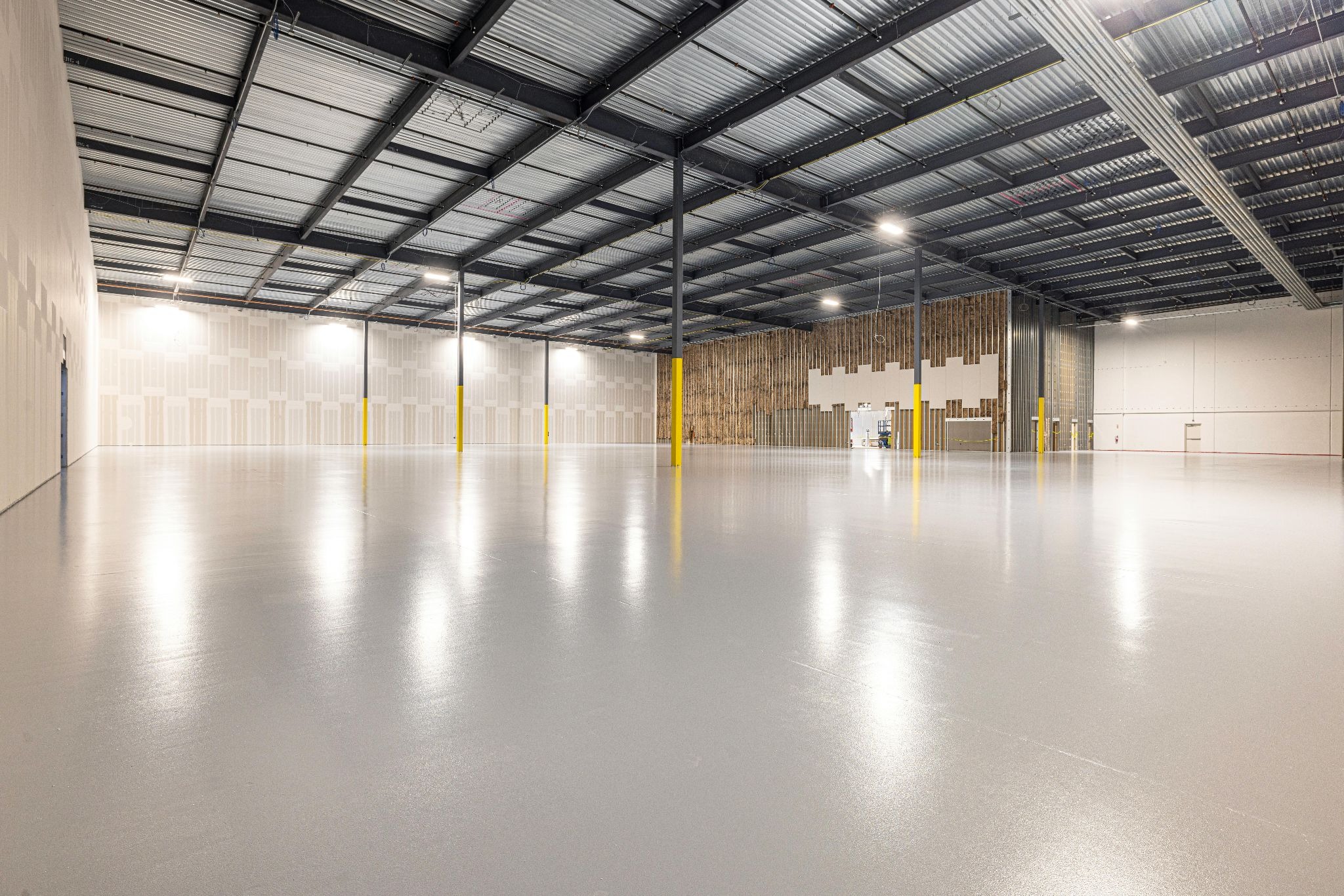
Photo by Craftsman Concrete Floors: https://www.pexels.com/photo/spacious-modern-warehouse-interior-in-texas-36217325/
More investors are paying closer attention to commercial property, especially warehouses and industrial assets.
The reason is practical rather than fashionable. Warehouses sit at the center of modern supply chains. They support e-commerce, food distribution, manufacturing storage, freight movement, and last-mile delivery. As online retail expands and businesses demand faster logistics, industrial space has become more valuable.
That does not mean residential property has disappeared as an investment class. It means a noticeable shift is happening, with more capital considering where business activity creates rent demand rather than where population growth alone drives house prices.
Why Warehouses Are Gaining Ground
Warehouse property benefits from several long-term trends.
First, online shopping has changed inventory patterns. Retailers need storage closer to customers, not only traditional shopfronts. Second, supply chains now place higher value on resilience after years of disruption.
Businesses often want more buffer stock and better logistics networks.
And third, industrial tenants may invest heavily in fit-outs, racking, and operations, which can encourage longer occupancy.
New Zealand has shown continued growth in e-commerce spending over recent years, reinforcing demand for fulfillment and distribution space tied to changing buying habits.
That matters because property follows business need.
New Warehouse Construction Is Becoming More Strategic
As demand changes, new warehouse builds are becoming more tailored to logistics requirements rather than simple storage sheds. Businesses often want higher stud heights, better truck access, efficient loading zones, office components, and room for automation.
Core Steel Warehouse construction sees this trend through its warehouse construction division, focused on commercial and industrial warehouse buildings designed as long-term business assets rather than basic boxes.
That reflects a broader market reality. A modern warehouse may need to function as dispatch center, inventory hub, showroom back-end, and operational headquarters at the same time.
Why Construction Type Matters
Steel warehouse construction remains popular because it can offer:
Large clear-span interiors
Faster construction timelines
Flexible layouts for future reconfiguration
Durable structures suited to industrial use
For investors, adaptable buildings can widen the future tenant pool.
Investors Are Looking at Income More Carefully
Residential property often attracts attention through capital growth stories. Warehouses are more commonly assessed through income performance.
Investors may focus on:
Net rental yield
Lease length
Tenant quality
Rent review mechanisms
Maintenance obligations
Vacancy risk in the location
That can appeal to buyers seeking commercial-style cash flow rather than relying mainly on rising house prices.
In tighter economic periods, income visibility often becomes more attractive.
Auckland and Main Logistics Corridors Matter Most
Not all warehouse property performs equally. Location is critical.
Auckland remains New Zealand’s largest consumption and freight market, making South Auckland and surrounding industrial corridors particularly significant for warehousing and logistics activity. Hamilton and Tauranga also benefit through inland distribution and port connections. Christchurch remains important in the South Island network.
The value of a warehouse often depends less on appearance and more on transport efficiency, motorway access, labour pool, and freight linkages.
A basic building in the right logistics node may outperform a better-looking one in the wrong place.
Commercial Tenants Behave Differently Than Residential Tenants
Another reason some investors are reassessing warehouses is tenant structure.
Commercial leases can differ significantly from residential arrangements. Depending on the lease type, tenants may contribute to outgoings, insurance, maintenance obligations, or fit-out costs. Lease terms may also be longer than standard residential occupancy patterns.
That does not remove risk, but it changes the investment profile.
Instead of frequent turnover and domestic wear-and-tear issues, owners may deal more with vacancy cycles, covenant strength, and lease negotiation.
E-Commerce Is Only One Driver
People often assume warehouses grow only because of online shopping. The picture is wider than that.
Industrial buildings are also used for:
Food storage and cold-chain support
Trade supply businesses
Construction materials
Light manufacturing
Packaging and distribution
Import/export staging
New Zealand’s economy still relies heavily on physical goods movement. That keeps warehouse demand relevant beyond retail trends alone.
Why Some Residential Investors Are Looking Elsewhere
Higher compliance costs, changing tax treatment over time, insurance pressures, and management intensity have caused some traditional residential investors to reconsider where they deploy capital.
Warehouses may look attractive because they can offer simpler operating models in certain cases, particularly where tenants handle more day-to-day premises use.
Of course, commercial property also has barriers, larger entry costs, specialist due diligence, and vacancy risks that can be sharper when they occur.
This is not a one-way switch. It is a diversification trend.
Risks Still Need Respect
Warehouse investing is not automatic success.
A vacant warehouse can sit longer than a vacant house. Industrial values can be sensitive to business cycles, financing conditions, and oversupply in specific precincts. Specialist buildings may suit fewer tenants. Seismic, compliance, and site access issues also matter.
That means investors need better due diligence than simply hearing “industrial is hot”. Numbers, lease terms, and location still decide outcomes.
What Smarter Investors Usually Check
Before buying industrial property, many experienced investors study:
Tenant financial strength
Remaining lease term
Nearby vacancy supply
Truck access and yard usability
Zoning and future land use
Building flexibility for re-leasing
Those factors often matter more than cosmetic presentation.
A Real Property Shift, Not a Passing Trend
New Zealand is not abandoning residential property. Housing will remain central to the market and to household wealth. But the property conversation is widening.
Warehouses now represent something many investors want: assets linked to commerce, rent income, and structural demand from logistics.
That is why the New Zealand property shift moving toward warehouses looks real. As economies digitise, physical distribution space becomes more valuable, not less. And increasingly, investors are noticing that.





