



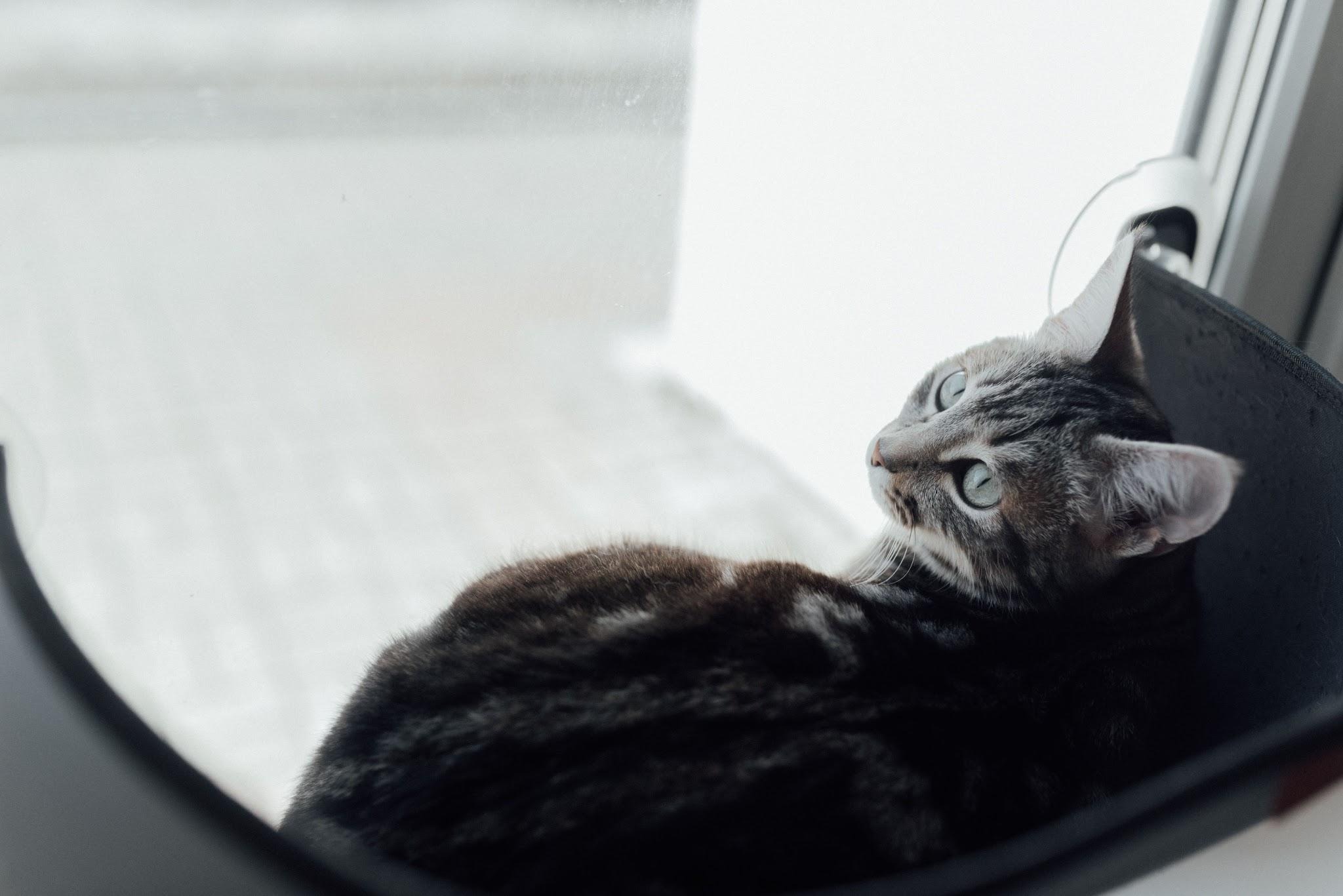
7 Essentials for Moving a Cat Into a New Rental Home
Moving is disruptive for people. For cats, it can feel like losing everything safe at once. Dogs are natural pack animals, but cats are territorial. They build security through familiar scents, sounds, and spatial layouts.
When you relocate them, their established comfort zones vanish, and stress often follows.
A rental adds a landlord, a deposit, and unfamiliar neighbors to the equation. The seven essentials below smooth the transition, protect your cat's health, and keep your tenancy on good terms. Gather them before the truck arrives so day one feels calm instead of chaotic.
1. A Secure, Ventilated Carrier
The carrier is your cat's mobile safe zone. It should be sturdy, well-ventilated, and escape-proof. Introduce your cat to a good carrier a few weeks before the move so the carrier feels familiar rather than new.
Set the carrier in a low-traffic corner of your current home before packing begins. Place treats, a favorite blanket, and familiar toys inside to build positive associations. Let your cat enter and leave freely in the days leading up to the move.
Opening the carrier in unfamiliar territory raises the risk of a sudden dash and a lost pet.
Important: Opening the carrier mid-trip can trigger a panicked dash and a lost cat. Keep it closed until you are inside the quiet room with doors and windows fully secured. |
2. A Starter-Room Setup With Familiar Bedding
Do not give a newly arrived cat the run of the rental. Cats settle into one room far more easily than a whole house. A single space also keeps them safer during the chaos of unpacking. Plan to keep your cat in one room for several days.
Choose a low-traffic room away from busy areas. A spare bedroom, home office, or large bathroom works well. Stock it with fresh water and food bowls placed away from a clean litter box filled with familiar litter.
Add comfortable bedding, favorite toys, and a scratching surface.
Because the room is in a new rental, safety-check the space first. Confirm windows are securely screened. Remove electrical cords, small objects, and toxic plants.
One tip helps a lot: skip washing your cat's bedding before the move. Bedding that carries your cat's own scent speeds settling.
3. Renter-Safe Scratch Protection
Scratching is normal and unavoidable. In a rental, it can put your deposit at risk. The goal is to redirect scratching, not suppress scratching altogether.
Provide a sturdy scratching post or pad in the starter room from the start. Bring the old post your cat already uses rather than buying a new one. A familiar surface is far more effective at drawing scratches away from walls and furniture.
Protect vulnerable corners and carpet edges so flooring stays landlord-ready.
Key Insight: Scratching is normal feline behavior, not misbehavior. Bringing your cat's existing post redirects claws onto a familiar surface and protects walls, furniture, and your rental deposit. |
4. An Insurance Plan Researched Before the Move
A move introduces new hazards, and vet costs in an unfamiliar area can surprise you. Researching coverage before you relocate, rather than after an emergency, lets you compare options calmly.
When evaluating plans like Spot Pet Insurance’s comprehensive cat insurance for a rental move, read the policy terms carefully. Compare what each plan covers against what it excludes, including waiting periods, annual limits, deductibles, and how pre-existing conditions are defined. Coverage and waiting periods vary by plan and state, so check your policy for details.
Relocation stress can surface illnesses or accidents in the first weeks. Knowing exactly what a plan reimburses helps you budget with confidence instead of guessing.
 Spot Pet Insurance’s Cat Insurance
[ CHECK PRICING ]
5. A Familiar, Complete Food Routine
Diet continuity is one of the simplest ways to prevent digestive upset during a stressful window. Changing food on top of a big move reliably causes stomach trouble.
Stick with the same food for at least a few weeks after arrival. If you must switch, mix old and new over 7 to 10 days. Keep serving your cat's usual complete diet in their familiar bowls to reinforce routine.
For cat owners already feeding raw, maintaining that consistency matters just as much. Viva Raw's complete raw food for cats offers pre-portioned meals that travel easily and help preserve the dietary routine your cat depends on during a stressful transition.
Introduce the diet gradually, and only after your veterinarian confirms the diet is complete, balanced, and right for your cat's age and health.

Viva Raw’s Turkey for Cats
[ CHECK PRICE ]
Pro Tip: Resist changing your cat's diet during the move. Keep the usual complete food for at least a few weeks, and if a switch is unavoidable, transition gradually over 7 to 10 days to prevent digestive upset. |
6. Identification and Microchip Record Updates
A move is the single most common moment a cat slips out an open door. Your identification must reflect the new address before an escape happens.
Fit your cat with a collar tag showing your name and new address. Permanent identification matters even more, so give your microchip company your new details. A microchip is only as useful as its registered data.
Log into your registry account directly and change the record yourself.
Important: A move is the most common moment a cat slips out. Update the microchip registry yourself before moving day; vets cannot change that data, and outdated contact details make permanent ID useless. |
7. An Emergency Contact and Local-Vet File
Know where to go before an emergency happens. Schedule a visit with your new vet within the first week, regardless of how your cat seems. Getting onto their schedule early is good practice, and your cat may need vaccinations required or recommended in the new location.
Build a simple file for quick reference. Include the new clinic's address and hours, the nearest 24-hour emergency hospital, your cat's medical and vaccination records, and your insurance details.
A Calm Move Starts With Preparation
Moving a cat into a new rental home doesn't have to be a crisis for either of you. Cats resist change by nature, but they also adapt remarkably well when their core needs are met from the moment they walk through the door. The seven essentials above work because they address what matters most to a cat: familiar scent, predictable routine, and a secure territory to claim as their own.
A rental adds practical stakes that homeownership doesn't. Damaged carpet, scratched door frames, or a noise complaint from a stressed, yowling cat can strain your relationship with a landlord before it even begins. Preparing the starter room, redirecting scratching, and keeping your cat confined during the unpacking chaos protect your deposit just as much as they protect your cat's wellbeing.
The steps that are easiest to overlook are often the ones that matter most in an emergency. Updating your microchip record takes minutes but determines whether a lost cat comes home. Booking a local vet before something goes wrong means you aren't searching for one while panicking. And having a plan like Spot Pet Insurance already in place means a stressful vet visit doesn't become a financial emergency on top of an emotional one.
Start working through the checklist now, not on moving day. Introduce the carrier early. Stock up on your cat's usual food. Print your emergency file and keep it somewhere accessible. Every small step you complete in advance is one less variable competing for your attention when the boxes are piling up, and your cat is watching it all with wide, uncertain eyes.
Your cat doesn't understand why everything changed. What they do understand is whether their person made the new place feel safe. Give them that, and the rest will follow.