



Property investors and residential landlords are scheduling early exterior envelope audits to prevent freezing temperatures from causing costly winter repairs.
Operating a residential rental portfolio means managing the constant tension between immediate cash flow and long-term asset preservation. When autumn arrives, many property owners default to a reactive posture, waiting for tenant emergency calls about roof leaks or frozen drainage lines before taking action. Waiting for sub-freezing weather to test your building envelope invites severe structural damage and unnecessary operational stress. Transitioning from emergency patches to structured autumn exterior upgrades protects your net operating income and keeps your investment performing at its highest level.
Proactive property management requires looking past interior cosmetics and focusing heavily on the structural defenses shielding your investment from severe weather. Shifting your capital expenditure schedule toward early intervention removes the uncertainty of mid-winter repair crises.
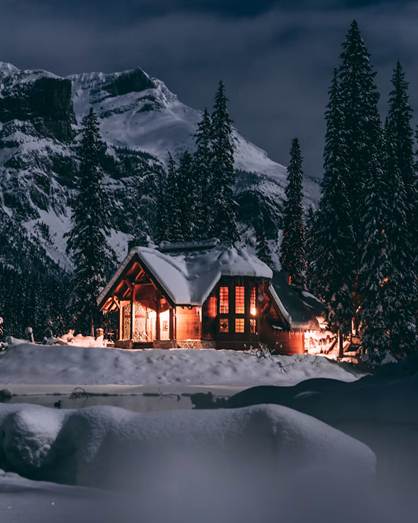
How Do You Select Accredited Professionals for Pre-Winter Roof Reinforcements?
Executing a reliable pre-winter property audit demands specialized expertise and local market knowledge. To ensure residential building envelopes withstand harsh Pacific Northwest wet seasons without emergency leaks, prudent landlords consult Battleground's best rated roofers to conduct comprehensive shingle inspections and resolve minor drainage defects before sub-freezing temperatures arrive. Working with verified regional specialists guarantees that your roof reinforcements match local climate demands, from high-wind durability to heavy rainfall mitigation.
Qualified exterior contractors bring the diagnostic tools necessary to uncover hidden vulnerabilities that visual walkthroughs from the ground level frequently miss. Professional evaluations should cover flashing alignment, attic thermal boundaries, and gutter drainage capacity to ensure your entire building envelope operates as a unified defense system.
Why Do Freezing Temperatures Explode Tiny Exterior Weaknesses?
Winter weather introduces aggressive physical forces that rapidly turn minor wear into major structural failures. When freezing rain and melting snow infiltrate tiny gaps around loose flashing or weathered shingle granules, trapped moisture expands relentlessly. This freeze-thaw cycle exerts immense pressure on building materials, prying joints apart and fracturing siding elements. Without a tight thermal and moisture barrier, your roof deck and exterior walls absorb water that has nowhere to go once temperatures plummet.
Heavy ice dams compound these vulnerabilities by blocking standard drainage paths along the roofline. When melting snow refreezes at the colder eaves, water backs up underneath shingles and penetrates interior framing. Recent claims figures published by State Farm revealed that winter freeze damage claims averaged over $30,000 from 2024 through mid-2025. Clogged gutter runs accelerate this risk, leaving top-floor units exposed to ceiling leaks and mold growth.
How Can You Compare Emergency Mid-Winter Leaks Against Planned Capital Expenditures?
Scrambling for emergency contractor services during a January freeze drains your operating reserves faster than almost any other portfolio expense. Emergency labor rates, overtime dispatch fees, and rush material orders inflate repair invoices substantially. Unexpected mid-winter failures often force emergency tenant relocations, leading to lost rental income and strained tenant relationships. Planned capital expenditures scheduled during dry autumn weeks give you full control over contractor bidding, scheduling, and material selection.
Proactive maintenance operates on predictable budgets rather than crisis management. Market cost data from Angi shows that standard roof repairs typically range from $395 to $1,967, but unresolved winter leaks quickly push bills much higher. Addressing minor roof defects before the wet season arrives prevents cascading interior damage like drywall replacement and flooring restoration. Protecting your net operating income means eliminating the high premiums associated with rushed emergency intervention.
What Are the Hidden Financial Dangers of Delayed Weatherproofing?
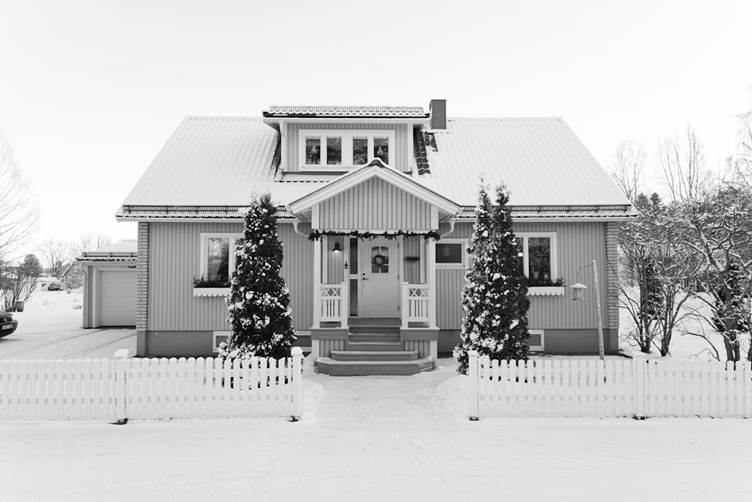
Ignoring exterior envelope maintenance sets off a destructive chain reaction throughout the entire property. Small gaps around window frames and compromised attic ventilation allow heated indoor air to escape, driving up monthly utility bills while fueling roof ice accumulation. When moisture bypasses exterior cladding, framing lumber begins to rot, inviting wood-destroying organisms and structural sagging.
- Protect monthly cash flow: Eliminating surprise emergency repair bills keeps your annual operating budget stable and predictable.
- Preserve tenant retention: Preventing sudden ceiling leaks and indoor flooding keeps your residents comfortable and reduces turnover rates.
- Safeguard structural equity: Maintaining roof shingles and drainage integrity stops premature aging of core building components.
What Diagnostic Criteria Should Certified Exterior Contractors Evaluate?
A thorough pre-winter audit goes far beyond a casual glance at the roofline. You must require your exterior contractors to perform detailed checks on specific structural elements.
- Examine attic insulation: Verify that proper depth and baffles are present to prevent heat loss from melting roof snow unevenly.
- Inspect flashing integrity: Check valleys, chimney seals, and vent pipe boots for cracking, rust, or loose fasteners.
- Test drainage flow: Flush gutters and downspouts to confirm positive water discharge well away from the foundation perimeter.
Structuring your maintenance timeline around seasonal weather transitions transforms property management from a stressful guessing game into a predictable business model. Documenting regular exterior updates also strengthens your position with commercial insurance providers and prospective buyers who value well-maintained assets. Taking control of your building envelope today secures your physical property and protects your financial returns for years to come.





