



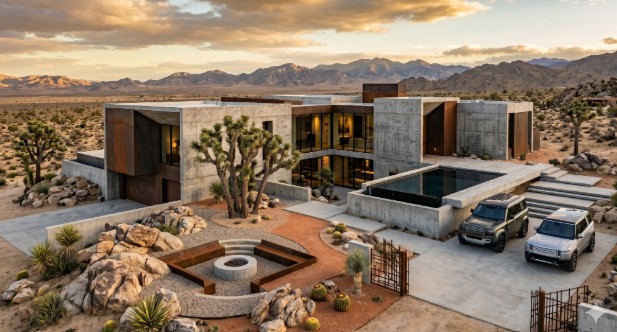
For a growing family, a home is more than a simple financial asset or a structural shelter; it is the physical framework within which decades of daily life unfold. As families expand, their relationship with their living space undergoes significant friction. Storage shortages emerge, acoustic boundaries fail, and spaces that once felt cozy can begin to feel restrictive.
When these spatial challenges arise, families typically face two options: purchase an established property and attempt a costly renovation, or select a vacant plot or knock-down rebuild site to construct a brand-new home.
If you decide to build new, you will face a critical crossroad: choosing between a standardized volume catalog home or partnering with an independent custom home builder.
While the lower initial price point of a volume package can seem appealing to a family balancing a budget, it often introduces long-term layout restrictions. Determining which path aligns with your family requires a careful assessment of your property's terrain, your lifestyle trajectory, and the true cost of structural modifications.
The Family Evolution: Why Standard Floor Plans Date Rapidly
The core challenge of building a family home is that your spatial requirements are constantly changing. A layout that functions perfectly for a household with toddlers will often face operational strain when those children become teenagers or young adults.
The Toddler-to-Teenager Spatial Trap
Volume builder catalogs are generally optimized for young families. They emphasize large, centralized open-plan family rooms with bedrooms closely grouped together. While this configuration makes it easy to supervise young children, it often creates acoustic and privacy issues as those children grow.
Teenagers require independent study spaces, acoustic separation for entertainment, and distinct boundaries. When a family home lacks these zoning capabilities, shared spaces can become chaotic.
A bespoke custom design addresses this life-stage transition from the very first sketch. It builds elasticity into the floor plan, creating multi-functional zones that can adapt over time. A secondary living area can start as a transparent toddler playroom, transition into a closed-door teenage retreat, and eventually serve as a quiet home office or self-contained guest wing.
The True Cost of Upscaling vs. Future-Proofing
When a standard catalog home no longer meets a family's needs, the default solution is often to sell, relocate, and upgrade. However, the transactional costs of moving property in South Australia are significant. Between state stamp duty, real estate marketing fees, sales commissions, and removalist costs, a family can easily spend $60,000 to $100,000 simply moving from one house to another.
Future-proofing your home through a custom build eliminates these moving expenses. By designing a home that adapts to your family for 20 to 30 years rather than 7 to 10, you avoid these transactional costs and protect your household's long-term wealth.
Tailoring the Home to Your Specific Allotment
No two parcels of land in Adelaide share identical characteristics. From the sloping profiles of the foothills in foothills suburbs like Golden Grove or Belair to the narrow, high-value urban infill sites in inner-north pockets like Prospect, the shape and slope of your land dictate how your home should be built.
Site Costs, Footings, and Adelaide’s Reactive Soils
One of the most significant variables in any new residential build is the structural engineering required below the ground. The Adelaide Plains and surrounding suburbs are known for highly reactive clay soils, which expand and contract significantly based on moisture content.Volume builders typically base their initial pricing on a flat, Class M soil profile. When the mandatory soil test and contour survey reveal highly reactive clay or a sloping topography, families are often hit with unexpected variations that can break their budget before construction begins.
A custom builder addresses these soil conditions before finalizing contracts. By conducting early site assessments, your foundations are engineered to match your block's specific soil profile and slope. This proactive approach ensures your pricing remains clear and predictable.
Solar Passive Layouts for a Growing Household
A family home should protect you from the elements while keeping energy bills manageable. Adelaide’s climate features hot, dry summers and cold winters, making solar passive design a practical necessity.
Standard catalog homes are built to a fixed layout. If the plan specifies that the main living room windows face west, that layout cannot easily be flipped or re-engineered without substantial fees. A west-facing family room will absorb intense afternoon sun during summer peaks, driving up cooling costs and making the space uncomfortable for the family.
Bespoke architectural design positions your home to track the sun's path. By placing high-use family spaces and major glazing along the northern boundary, the home captures low-angle winter light for natural warmth while utilizing structural eaves to block out high-angle summer heat.
Navigating the Regulatory Landscape and Council Approvals
Building a new home requires working within a complex framework of local government regulations and state planning codes. For families managing busy daily schedules, dealing with council delays can add significant stress to the building process.
When custom home builders in adelaide, all residential designs must comply with South Australia’s Planning and Design Code. This centralized system sets out clear rules regarding:
Building Envelopes and Setbacks: The allowed distance between your external walls and your boundary lines.
Site Coverage and Open Space: The ratio of built form to unbuilt backyard space, ensuring families retain functional outdoor play areas.
Stormwater Management: Mandatory retention and detention tank calculations designed to minimize urban runoff into local council infrastructure.
If you attempt to modify a volume builder’s standard template to meet specific council overlays—such as historic character guidelines in the City of Unley or bushfire risk zones in the Adelaide Hills Council—the application can get delayed in the planning assessment phase.
A custom design is crafted around these regulations from day one. Your builder ensures that setbacks, privacy screens, and rooflines are designed to meet local rules, creating a smoother path to development approval.
Financial Evaluation: Transparency vs. The "Base Price" Illusion
The decision to choose a custom build over a volume house package often comes down to budget. To make an accurate financial decision, families must look past promotional marketing and understand exactly what is included in their construction contract.
Understanding Turnkey Inclusions
The promotional "base price" advertised by mass-market builders rarely reflects the actual cost of a liveable home. These base figures routinely exclude essential components required for a functional family home, such as:
Driveways, perimeter paths, and basic landscaping.
Internal floor coverings, light fittings, and window treatments.
Acoustic insulation in internal walls and upgraded thermal batts.
Adequate electrical layouts, including sufficient power outlets and data points for remote work.
When families add these essential items to a volume contract via the selections process, the final price often increases significantly, approaching the cost of a bespoke build.
In contrast, a reputable custom home builder works on a transparent, itemized specification model. While the upfront contract figure may look higher initially, it represents a comprehensive, turnkey price.
This transparency means the finishes, structural materials, site works, and layout details are clearly priced from the beginning, giving your family budget certainty and preventing unexpected costs during construction.
Making the Final Assessment: Is Custom Right for Your Family?
A custom home is not the right choice for every scenario. If your primary goal is to build an investment property as quickly as possible on a flat block of land, a volume package may suit your needs.
However, if you are building a long-term family home, a custom design offers clear advantages. A custom build is the right choice if your project involves:
A Complex Allotment: Your land features significant slopes, a narrow frontage, an unusual shape, or strict local council character overlays.
Specific Lifestyle Requirements: Your household requires tailored spaces for multi-generational living, dedicated workspaces, or specific acoustic separation.
A Focus on Longevity and Efficiency: You want to invest in high-performance insulation, solar passive design, and low-maintenance materials that reduce ongoing living expenses.
Investing in a custom design is a decision to prioritize your family's daily comfort and long-term financial security. By building a home tailored to your lifestyle and your land, you create an enduring property that will support your family through every life stage.





