



Owning a home is a big job. Small signs of wear often hide bigger issues. You might see a tiny crack or a bit of faded paint.
Checking your house shell helps your wallet. Rain and wind test your structure every day. Finding signs early prevents huge bills.

Identifying Roof Wear Early
Roofing issues often start where you cannot see them from the ground. Shingles protect the wooden frame of your building from harsh weather. If protectors start failing, your whole structure is at risk. You might see tiny dark specks in the grass after a heavy rainstorm.
A popular home advice site noted that loose granules on a shingle indicate the material is no longer strong. These small bits of stone provide the main defense against the sun and rain. Losing them means the underlayer is exposed to the elements.
Check the edges of your roofline for any curling or lifting. Wind can get under loose pieces and pull them away. A local inspection identifies weak spots before a storm hits. Fixes at this stage cost much less than a full replacement.
Common Visual Signs
Look for subtle shifts in the appearance of your house. If you see warped planks, Heartland Roofing and Siding, for example, can inspect for deeper structural issues. Catching problems early prevents water from reaching the interior walls. Professional help makes sure the seal remains tight and secure.
Step back and look at the straight lines of your roof and walls. Dips or curves in the roofline suggest the wood underneath is soft. Changes happen slowly, and you need to focus to see them. Catching a lean early prevents a total collapse.
Walk the perimeter once a month to look for new holes. Insects and birds often try to make homes in your eaves. Small gaps allow pests to enter your attic. Seal openings to keep your insulation dry and clean.
Siding Warning Signs
Siding does more than just make your house look nice. It serves as a shield against moisture and pests. Look for gaps or places where the boards do not meet the trim. Loose panels often hide mold or decaying wood underneath.
Soft spots in the material are a major red flag for homeowners. One home repair expert mentioned that water-damaged siding often feels spongy and shows visible mold growth. It indicates that liquid has been trapped behind the exterior for a long time.
New materials can help prevent issues from happening again. A housekeeping publication noted that many owners prefer engineered materials as they resist moisture and rot. These products stay strong even if the yard stays wet for a few days.
Foundation Red Flags
The base of your home is the most critical part of the entire build. Small cracks in the concrete might seem common in older houses. Some settling is normal, but certain patterns signal a dangerous shift. Look for cracks that follow a stair-step pattern in brickwork.
Structural experts say that warped siding or gaps between planks often point to foundation trouble. Gaps happen when the house frame begins to twist or lean. You might notice doors that do not close properly inside the house. Fix the ground issues to stop the walls from moving.
Water management is the key to a stable base. A leading business magazine reported that pooling water around your house might mean the foundation is sinking. Liquid softens the soil and allows the heavy structure to drop.
The Role Of Gutters
Gutters act as the drainage system for your entire roof. They move rain to downspouts far from the walls. If they fail, water pours onto your siding and foundation. Constant splashing ruins paint and erodes the soil near your base.
- Leaves and twigs block water flow.
- Standing water leads to rusted metal.
- Green sprouts show long-term neglect.
One lifestyle magazine noted that regular cleaning is the most helpful task for your exterior. Clogged channels lead to overflows that damage your home. Another home improvement outlet warned that flowers growing in gutters show poor maintenance.
Long-Term Maintenance Value
The ground around your home should slope away from the walls. A simple design prevents water from sitting against the house. A home design guide suggested checking that water is moving far away from the structure.
Maintenance is an investment in your future wealth. Skipping small tasks leads to massive repair bills that arrive at the worst times. Most people want to avoid spending money on things they cannot see. Regular checks prove their value when you try to sell the property.
Preventive care is becoming a big focus for many families. A gardening and home magazine mentioned that 71% of owners now prioritize maintenance to avoid large bills. Spending $200 on a gutter cleaning saves you $10,000 on a foundation fix. It is the smartest way to manage your property.
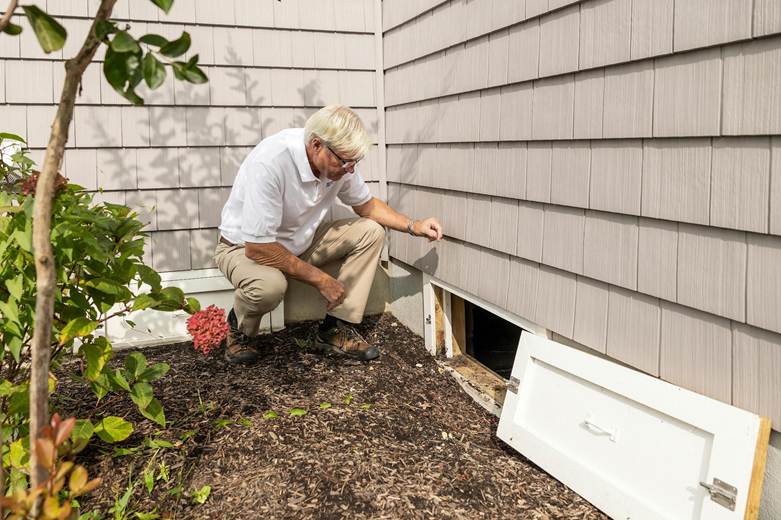
Walk outside today and look at your walls. Notice small gaps or loose shingles before the rain starts. You can protect your home with simple checks.
A dry house is a happy place for your family. Keeping the exterior in shape pays off for 20 years. Start your inspection before the next storm.