



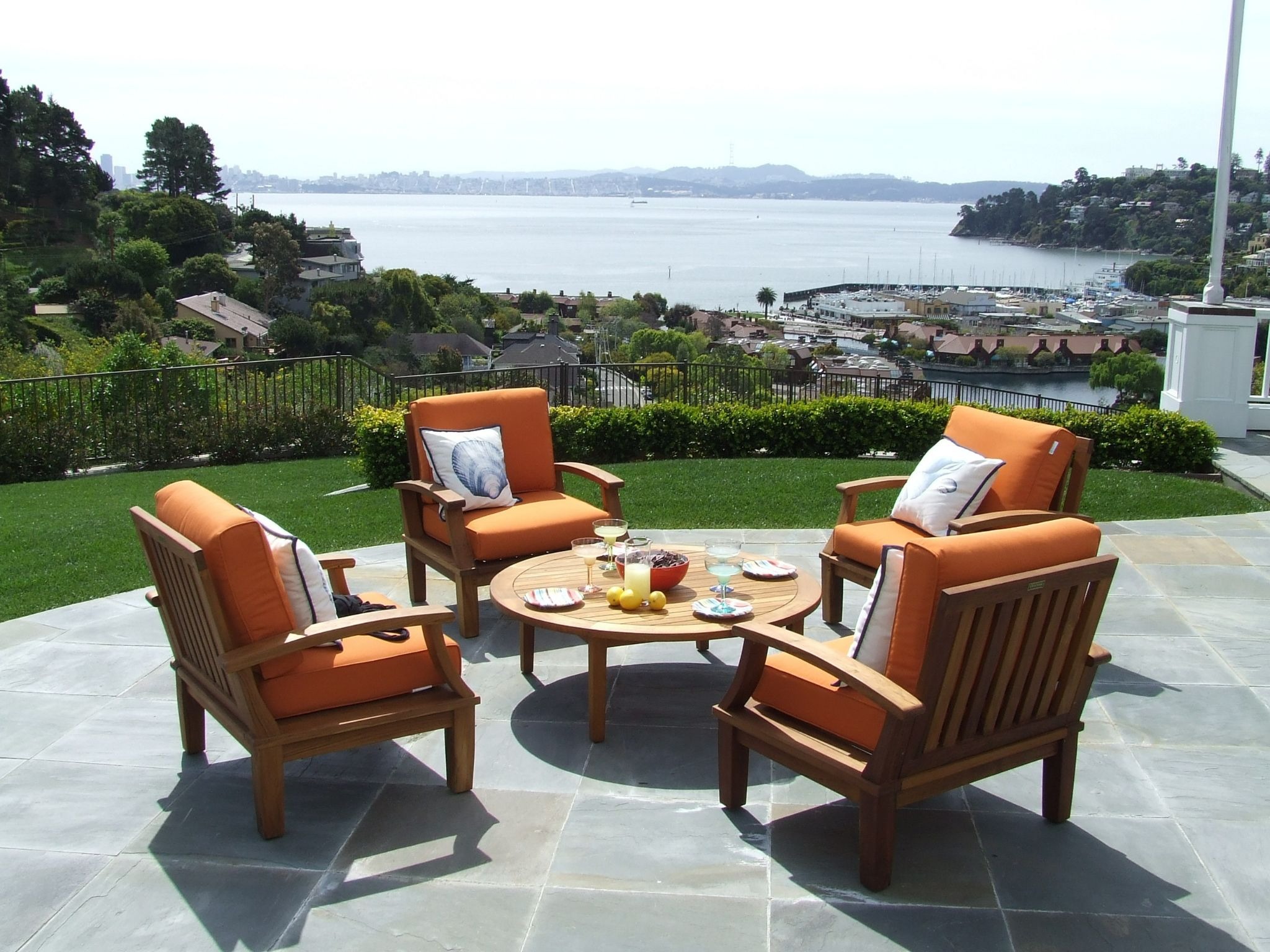
Outdoor furniture is designed to withstand the elements, but that doesn't mean it is immune to them. Constant exposure to sunlight, high temperatures, rain, humidity, wind, and seasonal changes can gradually damage even well-made patio furniture.
Fading fabric is often the first warning sign. Cushions lose their original color, finishes become dull, and plastic or synthetic materials can become brittle. Over time, repeated exposure can turn an attractive outdoor seating area into one that looks worn long before the furniture reaches the end of its useful life.
Fortunately, protecting patio furniture doesn't require keeping it indoors every time the weather changes. A combination of shade, proper maintenance, protective covers, smart material choices, and good storage habits can significantly extend the life of an outdoor setup.
Understand How Sun Exposure Damages Patio Furniture
Sunlight is one of the biggest long-term threats to outdoor furniture.
Ultraviolet (UV) radiation can break down pigments and materials over time. Fabric is particularly vulnerable because its surface is exposed directly to sunlight for hours at a time. What begins as a subtle change in color can eventually become obvious fading across cushions, umbrellas, rugs, and other outdoor textiles.
Heat creates additional stress. Dark-colored surfaces can become extremely hot under direct sunlight, which can accelerate deterioration in some materials. Repeated cycles of heating during the day and cooling at night can also contribute to expansion and contraction.
This is why patio furniture fading from constant sun exposure isn't simply a cosmetic issue. Prolonged UV exposure can affect the overall lifespan and condition of outdoor materials.
The best strategy is to reduce the amount of direct exposure rather than relying entirely on furniture materials to withstand it.
Create a Reliable Layer of Shade
One of the most effective ways to protect patio furniture is to create a shaded area over the furniture itself.
Umbrellas can work well for smaller seating arrangements, but they have limitations. They may need to be repositioned throughout the day, and their coverage can be reduced significantly when the sun moves across the sky.
For larger patios, a more permanent shade solution can provide more consistent protection. Structures such as pergolas, shade sails, covered patios, and other residential shade structures can help reduce direct sunlight while keeping the outdoor area comfortable and usable.
The right option depends on the property's layout, climate, furniture arrangement, and how much coverage is needed. The key principle is simple: the less direct sun your furniture receives, the less UV exposure it has to endure.
Shade also benefits people using the space. A well-designed shaded area can make a patio more comfortable during hot weather instead of turning it into a surface that is unpleasant to sit on during the afternoon.
Choose Furniture Materials With Outdoor Conditions in Mind
Not all patio furniture responds to weather in the same way.
When purchasing new furniture, consider the environment in which it will be used. A covered patio may allow for a wider range of materials than a completely exposed deck or terrace.
For example, outdoor fabrics designed specifically for UV exposure generally perform better than indoor fabrics. Powder-coated metals can provide better resistance to weather than untreated metal, while certain synthetic materials are designed to withstand moisture and sunlight.
Wood requires a different maintenance approach. Depending on the species and finish, outdoor wood may need periodic sealing or refinishing to maintain its appearance and protect it from moisture.
Before buying, check the manufacturer's recommendations for outdoor use, UV resistance, cleaning, and maintenance. A slightly higher upfront investment in materials designed for the environment can reduce replacement costs later.
Use Furniture Covers Strategically
Protective covers provide another layer of defense, particularly when furniture will not be used for several days.
A good cover can help block sunlight, dust, rain, leaves, and other debris. However, the cover itself needs to be appropriate for outdoor conditions.
Look for breathable materials that allow moisture to escape. A completely impermeable cover can trap condensation underneath, potentially creating a different problem.
Covers should also fit properly. A cover that is too loose may move around in strong wind, while one that is too tight may be difficult to install and remove regularly.
Don't cover wet furniture and leave it that way for an extended period. Allow cushions and surfaces to dry first whenever possible.
For everyday furniture that gets frequent use, shade may be more practical than constantly putting covers on and taking them off. Covers tend to be especially useful for longer periods of non-use, during severe weather, or when furniture is being stored.
Clean Cushions and Fabrics Regularly
Dirt and debris can make outdoor furniture look older than it actually is.
Dust, pollen, food particles, tree sap, and other contaminants can accumulate on cushions and fabric. Over time, these materials can contribute to staining and deterioration.
Regular cleaning doesn't need to be complicated. Start by checking the manufacturer's care instructions. Many outdoor fabrics can be cleaned with mild soap, water, and a soft brush.
Avoid using aggressive chemicals unless the manufacturer specifically recommends them. Strong cleaners may damage finishes or affect fabric color.
After cleaning, allow cushions to dry completely before storing or covering them. Proper drying is especially important in humid climates, where trapped moisture can encourage mildew.
A simple cleaning routine performed several times throughout the outdoor season can make a significant difference in appearance and longevity.
Don't Ignore the Furniture Frame
Cushions tend to attract the most attention, but the frame and structural components also need protection.
Metal furniture can develop corrosion if its protective finish becomes damaged. Check regularly for scratches, chips, or areas where the underlying material has become exposed.
Wooden furniture should be inspected for cracks, discoloration, loose components, or signs of moisture damage.
Plastic and resin furniture should also be cleaned periodically. Excessive heat and prolonged sunlight can cause some plastics to become brittle or change color over time.
During inspections, tighten loose screws and hardware. Small maintenance tasks can prevent minor problems from becoming structural failures.
Rearrange Furniture When Practical
Simply changing the position of outdoor furniture can help distribute sun exposure.
If one side of a table, chair, or sofa receives direct sunlight for most of the day while another area remains shaded, rotating or rearranging pieces periodically can prevent uneven fading.
This is particularly useful for cushions. If cushions are removable, turning or rotating them can help different surfaces receive more balanced exposure.
Furniture should also be positioned away from areas where water collects. Good drainage is important because constant moisture can cause problems for materials that might otherwise perform well outdoors.
Store What You Can During Extreme Weather
Even weather-resistant furniture benefits from occasional protection.
During severe storms, high winds, extreme temperatures, or extended periods when the patio won't be used, move smaller furniture and accessories into a garage, shed, or other protected area when practical.
Items such as cushions, decorative pillows, small side tables, and outdoor textiles are usually easier to store than large furniture pieces.
For larger items that cannot easily be moved, secure them properly and use suitable protective covers. Check covers after storms to make sure they remain in place and haven't collected standing water.
Seasonal storage is particularly useful in climates where outdoor furniture experiences long periods of harsh weather.
Consider the Layout Before Adding More Furniture
A well-designed patio can naturally reduce exposure to the elements.
Think about where the sun moves throughout the day and where furniture will be positioned during peak afternoon exposure. Placing seating beneath an existing roof overhang, mature trees, or a permanent shade structure can reduce direct sunlight without requiring additional protection for every individual piece.
Also consider airflow. Shade should not mean creating a space where moisture becomes trapped. Good ventilation helps outdoor fabrics and furniture dry after rain and cleaning.
A little planning at the design stage can reduce maintenance requirements later.
Create a Simple Maintenance Schedule
Protecting patio furniture becomes much easier when maintenance is routine rather than reactive.
A practical schedule might look like this:
Weekly
Remove loose dirt and debris, check cushions for moisture, and wipe down frequently used surfaces.
Monthly
Inspect frames, hardware, finishes, and fabric for early signs of wear. Clean cushions and outdoor textiles when needed.
Seasonally
Deep-clean the furniture, inspect protective covers, evaluate shade coverage, and identify pieces that need refinishing or repair.
Before severe weather
Secure furniture, bring smaller items indoors, and make sure protective covers are properly fitted.
These small tasks are easier to manage than replacing damaged furniture every few years.
Protect the Furniture Before Damage Becomes Visible
Outdoor furniture doesn't usually deteriorate overnight. The process is gradual.
A cushion slowly loses its color. A finish becomes dull. A metal frame develops a small area of corrosion. A wooden surface becomes increasingly dry. By the time the damage is obvious, the underlying material may already have experienced months or years of exposure.
That makes prevention more valuable than trying to restore furniture after serious damage has occurred.
Start by reducing direct sunlight with reliable shade, then combine that protection with appropriate covers, regular cleaning, seasonal maintenance, and proper storage. When replacing furniture, select materials designed for the specific conditions they will face.
A patio is an investment in usable outdoor space. Protecting the furniture within it doesn't have to be complicated, but it does require consistent attention to the elements that cause the most damage. With the right combination of shade and maintenance, outdoor furniture can stay comfortable, attractive, and functional for much longer.