



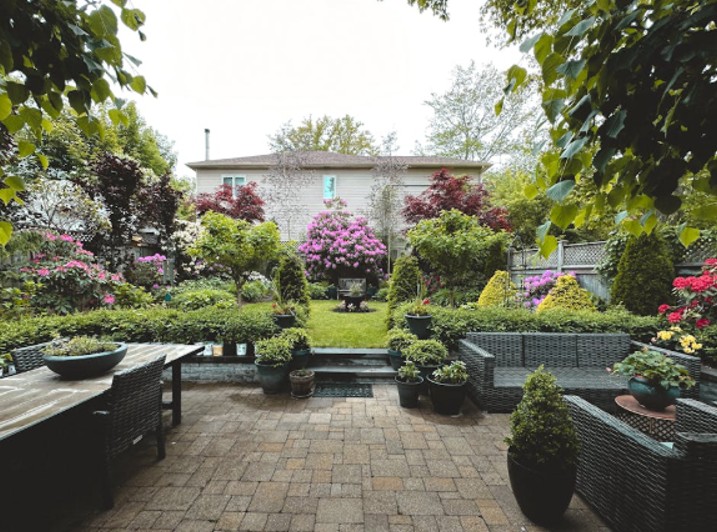
A lot of people wait until summer to think about their backyard—and that’s usually when the problems show up. You step outside and notice uneven ground, dull grass, or a space that just doesn’t feel comfortable to spend time in. By then, fixing things becomes harder because heat, heavy use, and limited time get in the way. The smarter move is to prepare early, while the weather is still manageable and your yard has time to recover. With a few focused improvements, you can turn your backyard into a space that actually works for you. This guide walks you through what to fix first and how to do it in a way that lasts through the season.
Fix the Lawn Before Anything Else
Your lawn often takes up the largest part of your backyard, so if it looks unhealthy, the whole space feels off. Start by checking for common issues like dry patches, uneven color, or compacted soil that feels hard underfoot. These signs usually point to deeper problems that need fixing early. Watering alone won’t solve them. In some cases, repairing sections or replacing damaged areas is the better option. Sod can help here because it provides an instant, even lawn and reduces the chances of weeds taking over. It also establishes faster than seed when installed on properly prepared soil, which helps your yard recover sooner. Choosing the most suitable type of sod for your yard can make a noticeable difference, especially if your current grass struggles with shade or heavy use. When the lawn looks healthy, the rest of your backyard starts to come together more naturally.
Rethink How You Use the Space
Many backyards don’t work well because they were never planned with real use in mind. Instead of trying to fill the space with random features, think about how you actually want to use it. Maybe you want a place to sit in the evening, a safe area for kids, or a clean space for hosting guests. Once you decide, arrange your backyard to support those activities. Create clear zones by shifting furniture, adjusting pathways, or opening up crowded areas. Even small changes can make the space feel more organized and functional. When your layout makes sense, your backyard becomes easier to enjoy every day.
Upgrade Seating and Make It Comfortable
A backyard only feels complete when you have a place to sit and relax. Start by checking if your current seating actually feels comfortable and fits the space. Avoid placing furniture directly under harsh sun unless you add shade. Simple solutions like umbrellas, shade sails, or a pergola can make a big difference. Choose materials that handle outdoor conditions well, such as treated wood or weather-resistant metal. Cushion quality also matters, especially if you plan to spend longer periods outside. Arrange seating in a way that encourages conversation instead of facing everything outward. When seating feels natural and comfortable, people tend to use the space more often without thinking twice.
Add Greenery That Doesn’t Demand Too Much Care
Plants improve how a backyard looks, but too many high-maintenance choices can quickly become a burden. Focus on plants that match your local climate and don’t need constant attention. Native plants are usually a safe option because they adapt well to local soil and weather. Use a mix of small shrubs, ground cover, and a few statement plants instead of overcrowding the space. Place them where they can grow without needing frequent trimming. Avoid planting too close to walkways or seating areas, as this can create extra upkeep. When you choose wisely, greenery enhances your yard without turning into a daily task you have to manage.
Set Up Simple Lighting for Evening Use
Good lighting allows you to use your backyard even after the sun goes down. Start with basic areas like walkways, seating zones, and entry points. This improves both safety and usability. Solar lights are a simple option because they don’t require wiring and work well for pathways. For seating areas, soft lighting such as string lights or wall-mounted fixtures creates a comfortable setting without being too bright. Avoid placing lights too high or too far apart, as this can leave dark spots. Focus on even coverage instead. With the right setup, your backyard becomes a space you can enjoy at any time, not just during the day.
Make the Space Safe for Kids and Pets
If your backyard is used by kids or pets, safety should be part of your planning. Start by checking the ground surface. Hard or uneven areas can cause injuries during play. Keep the lawn even and remove sharp objects like rocks or broken edges. If you have a play area, make sure it has enough open space without obstacles nearby. Avoid using plants that may be harmful if touched or ingested. Fencing should be secure with no gaps where pets can escape. Also, store tools and chemicals out of reach. A safe setup allows everyone to use the backyard freely without constant supervision or worry.
Plan for Easy Upkeep Throughout Summer
A well-designed backyard should not take hours to maintain every week. Set up a simple care routine before summer begins. Make sure your watering system works properly and covers all areas evenly. Overwatering or missed spots can quickly damage your lawn and plants. Choose materials and surfaces that don’t require frequent cleaning or repairs. For example, use durable ground cover in high-traffic areas to prevent wear. Keep tools nearby so small tasks like trimming or cleaning don’t get delayed. Regular but simple upkeep keeps your backyard in good shape without turning it into a time-consuming job during the hottest months.
Improving your backyard before summer starts is about making smart, practical changes that last. When you focus on clearing space, fixing the lawn, improving soil, and creating a layout that fits your needs, everything else becomes easier. Adding comfortable seating, simple lighting, and low-maintenance plants helps turn the space into something you can use every day. Planning ahead also reduces the effort needed to keep it looking good through the season. You don’t need a complete overhaul to see results. Small, well-planned improvements can make your backyard more functional, more comfortable, and easier to enjoy when summer arrives.





