



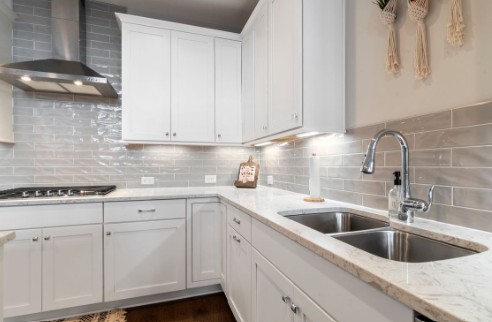
Renovating a rental property requires a different mindset than remodeling a personal home. Every material must balance appearance, durability, maintenance, and long-term cost. This is especially important in the kitchen. Property owners comparing materials should consider quality all-wood cabinets that can withstand frequent use while maintaining broad visual appeal.
Cabinets are opened, closed, bumped, cleaned, and exposed to moisture every day. If the boxes, finishes, or hardware cannot handle regular use, an affordable renovation can lead to repeated repairs and earlier replacement. The goal is to choose cabinetry that looks appealing to prospective tenants, functions reliably, and remains presentable through multiple lease cycles.
Start With the Cabinet Box
Cabinet doors and colors receive attention, but the cabinet box is the kitchen’s structural foundation. Some entry-level cabinets use particle board for the sides, backs, shelves, or drawer components. While it can work in certain settings, it may be more vulnerable when exposed to water.
This especially matters in rentals, where spills or leaks may not be reported immediately. Plywood cabinet boxes are generally better suited to demanding use. Their layered construction provides dependable support for countertops, shelves, hinges, and drawer hardware.
When comparing cabinets, ask what the box, shelves, drawers, and door panels are made from. Terms such as “wood cabinets” can describe several types of construction, so review the specifications instead of relying on the label.
Consider the Long-Term Cost
Rental renovations are often driven by an immediate budget. However, the lowest purchase price does not always produce the lowest total cost. A less expensive cabinet package may require repairs to doors, shelves, hinges, or drawer slides after a few years. If the damage becomes extensive, the owner may need to renovate again sooner than planned.
A stronger package may cost more initially but require fewer repairs and remain attractive through additional tenant turnovers. When comparing options, consider:
Cabinet-box and shelf construction
Durability of the finish
Quality of hinges and drawer slides
Availability of replacement parts
Installation costs
Expected maintenance between tenants
Whether the style will remain current
This approach helps owners avoid saving money during installation only to spend more on maintenance later.
Choose a Style With Broad Appeal
A rental kitchen should appeal to a wide range of qualified tenants. Highly decorative doors, unusual colors, and trend-heavy finishes may look impressive today but can become dated quickly. Simple cabinet styles offer more flexibility. Shaker-style doors can complement traditional, transitional, farmhouse, or modern interiors depending on the hardware, countertops, and flooring.
Reliable color choices include warm white, soft gray, natural wood, beige, greige, and muted taupe. Darker cabinets can work in larger or higher-end rentals, but they may show fingerprints and marks more easily. Before choosing a finish, consider the room’s lighting, flooring, wall color, and target tenant. The objective is a coordinated kitchen that photographs well and still feels personal.
Select an Easy-to-Maintain Finish
Rental cabinets need a finish that tolerates regular cleaning. During a turnover, doors and drawer fronts may need repeated wiping to remove grease, fingerprints, and food residue.
Ask the supplier how the finish is applied and which cleaning products are recommended. Painted cabinets should have a smooth surface, while stained cabinets should be properly sealed. Simple care instructions may also prevent damage from abrasive sponges, harsh chemicals, or excess moisture.
Inspect Hinges and Drawer Slides
Hardware quality directly affects performance. Sagging doors, sticking drawers, and loose hinges create maintenance calls even when the cabinet boxes remain usable. Soft-close hinges and drawer slides can be practical because they reduce slamming and repeated impact.
When reviewing a display, open and close the doors and drawers several times. Check whether they move smoothly, remain aligned, and feel stable. Inspect the drawer boxes and corner joints. These details can reveal whether the cabinets are made for everyday use or mainly designed to look attractive in a showroom.
Plan Storage Around Tenant Needs
A kitchen can look beautiful and still frustrate tenants if it lacks usable storage. Think about where residents will keep cookware, dishes, food, small appliances, cleaning supplies, and waste bins. A thoughtful layout can make a modest kitchen more functional without adding square footage.
Useful features may include deep drawers, a trash-bin cabinet, tray dividers, a pantry cabinet, storage above the refrigerator, and accessible corner solutions. Not every rental needs premium organizers. The priority is to eliminate awkward gaps, inaccessible corners, and cabinets that are too narrow to be useful.
Keeping existing plumbing, electrical connections, and appliance locations can also control costs. A professional layout can improve storage while reducing structural changes.
Make Future Repairs Easier
Even durable cabinets can eventually be damaged. Before selecting a product line, ask whether replacement doors, hinges, drawer slides, and touch-up materials will remain available. Document the manufacturer, door style, finish name, and hardware specifications, then keep the information with the property’s maintenance records.
Without those details, matching a damaged component later can be difficult. Owners with multiple rentals may also benefit from using a small group of cabinet styles and finishes. Standardization can simplify ordering, repairs, and spare-part storage.
Match the Cabinets to the Property
A basic apartment, single-family home, and high-end furnished rental may require different cabinet packages. The choice should reflect the property’s expected rent, neighborhood, design level, and target tenant.
However, an entry-level rental should not automatically receive disposable materials. Budget-conscious projects can still use sound boxes, dependable hardware, and easy-to-clean finishes. Owners can control spending by selecting a simple door style, limiting specialty accessories, and preserving the existing layout rather than sacrificing construction quality.
Inspect and Measure Before Ordering
Accurate measurements are essential. Walls may not be square, floors may not be level, and appliance dimensions can vary. Plumbing, outlets, windows, doors, ceiling height, soffits, and vents must all be considered.
Before ordering, measure every wall, confirm appliance dimensions, record utility locations, and note obstructions. Have the final measurements reviewed by an experienced professional. A small error can delay installation, increase labor costs, and extend the vacancy period. It is better to verify the layout before demolition than to solve fit problems after the cabinets arrive.
Avoid Overbuilding
A successful rental renovation improves the property without spending far beyond what the local market supports. Custom features may make sense in a luxury rental, but they may not provide the same return in a modest property. At the same time, weak cabinets can make an updated kitchen feel unfinished.
Prioritize what tenants notice and use: coordinated cabinets, working doors and drawers, adequate storage, durable countertops, reliable appliances, functional lighting, and a practical layout. Once those essentials are covered, decorative upgrades such as premium hardware, glass doors, or specialty organizers can be considered if the budget allows.
A Better Rental Kitchen Is a Long-Term Decision
Kitchen cabinets affect more than appearance. They influence storage, maintenance, tenant satisfaction, showing quality, and future renovation expenses. The best choice is rarely based on color or purchase price alone. Property owners should evaluate construction, finish, hardware, storage, replacement options, and expected maintenance over time.
By selecting durable materials and a broadly appealing design, investors can create a kitchen that remains functional and attractive through multiple tenants, not just on the day the renovation is completed.
By Timeless Kitchen Outlet
Timeless Kitchen Outlet is an Orlando-based kitchen and bathroom remodeling company specializing in cabinetry, countertops, design, and installation.