



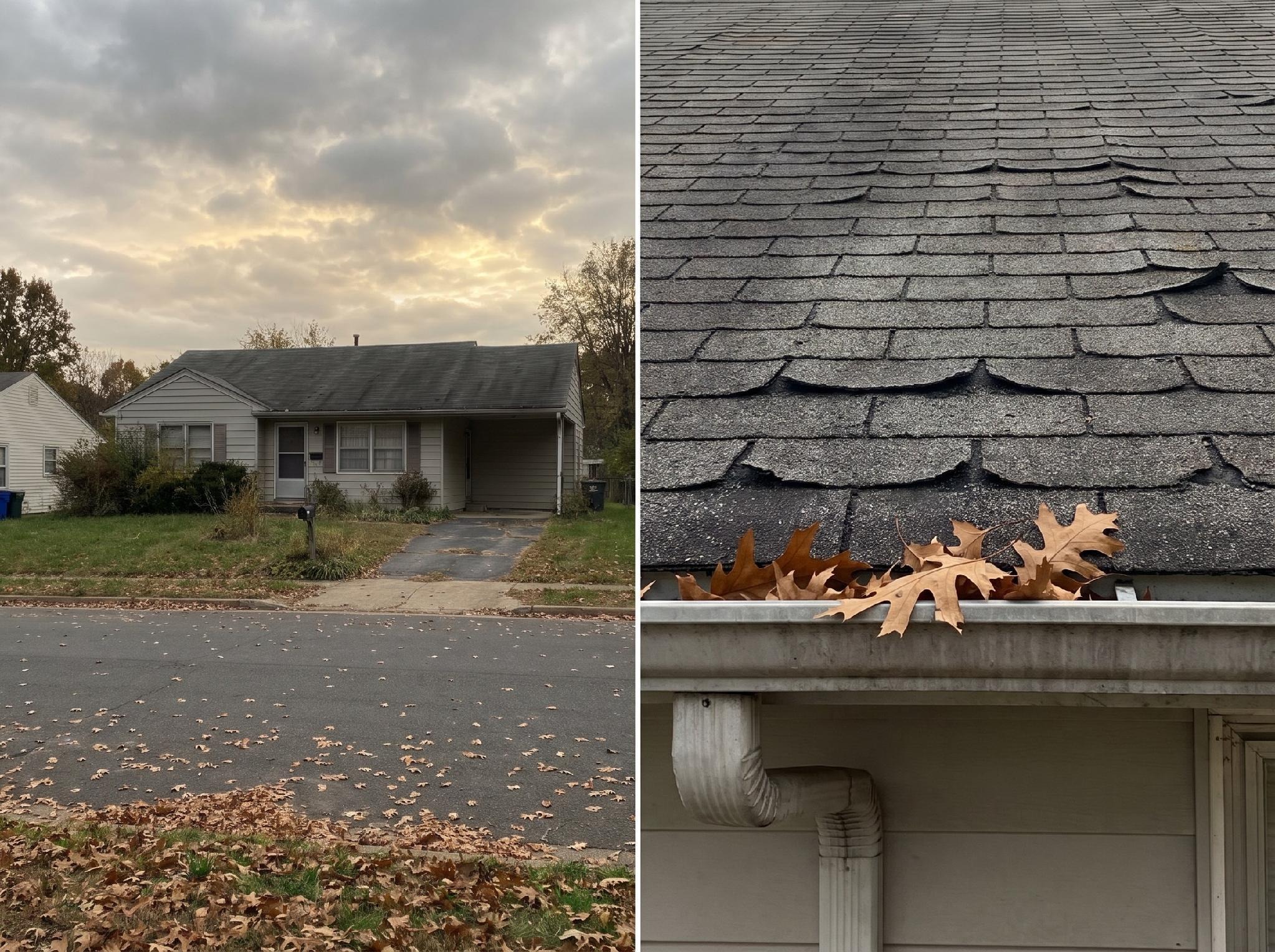
One small leak can wipe out a quarter’s cash flow. A stain on a bedroom ceiling turns into wet insulation, a tenant complaint, a drywall job and, if nobody catches it, rotted decking. By the time the invoice arrives, the original problem was the cheap part.
Most landlords track rent, vacancy and mortgage payments closely. The roof gets less attention because it behaves like a sleeping expense. It costs nothing for years, then demands thousands in a single month. That unpredictability is what makes it dangerous for your net operating income.
This guide treats the roof as what it really is: a line item you can plan for. We’ll look at what roof work typically costs, how to decide between repairing and replacing, how each shows up on your tax return, and how to choose a contractor without overpaying.
Why the roof is a landlord’s biggest hidden expense
Plumbing and appliances fail often, but they fail small. A roof fails rarely and fails big. It also protects everything underneath it, so a roof problem rarely stays a roof problem. Water finds the path of least resistance, and that path usually runs through ceilings, walls and electrical runs.
Out-of-area owners feel this most. If you own a rental in Northern Virginia but live a few states away, you can’t glance up at the shingles when you drop by. You’re relying on tenant reports and photos. Owners in that position should have a licensed local crew lined up before storm season, whether that means a trusted vendor you already use or a firm offering roof repair mclean, VA for properties in that corridor. Calling around after a leak, with a tenant waiting and rain in the forecast, is how people end up accepting the first quote they get.
The money side is easy to underestimate. According to PropertyBuild, simple spot repairs commonly run between $300 and $1,500, while a full replacement on a typical rental lands somewhere between $8,000 and $25,000. That’s a gap of roughly 5 to 80 times. Catching problems while they’re still in the first range is the whole game.
Repair or replace: a simple decision framework
Every landlord faces this question eventually, and the honest answer depends on three things: the roof’s age, the extent of the damage, and how long you plan to hold the property.
PropertyBuild’s repair-versus-replace guide suggests a useful rule of thumb. If the repairs you need would cost more than about 40 percent of a full replacement, replacing usually makes more sense. Pouring money into a roof that’s near the end of its life is like patching a tire with a bad sidewall.
Here’s how I’d think about it in practice:
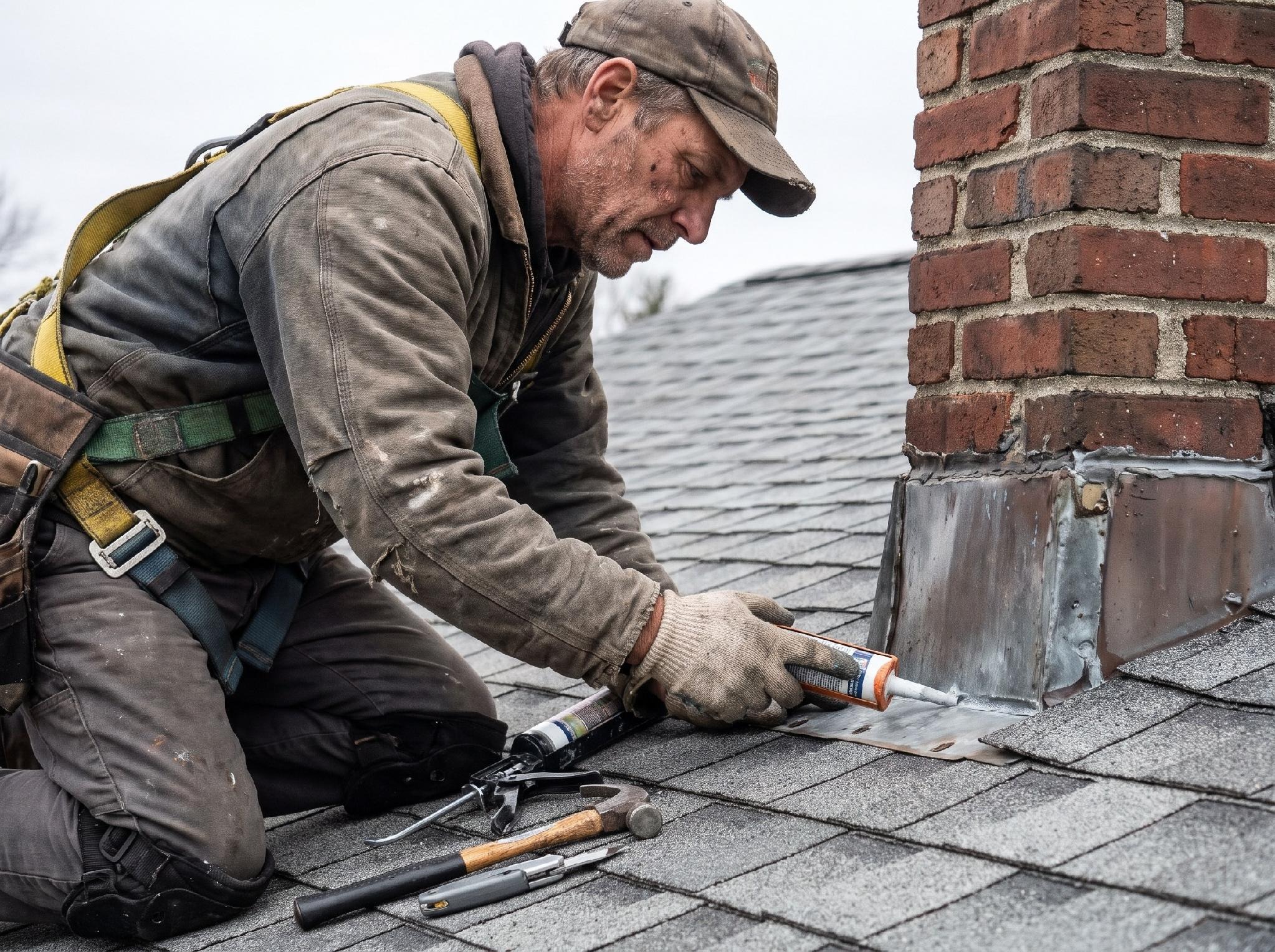
Repair when the damage is isolated, such as a few lifted shingles or failed flashing around a vent, and the rest of the roof is in decent shape.
Replace when you’re seeing widespread granule loss, curling across several slopes, or repeated leaks in different spots.
Replace before a sale or refinance if an inspector is likely to flag it. A flagged roof gives buyers leverage you don’t want them to have.
One tradeoff deserves a mention. Replacing early costs you capital now, and you lose some useful life in the old roof. But for a property you plan to keep ten years or more, an aging roof with a patch history is rarely the cheaper path. Build the decision into your preventive maintenance routines so it’s a scheduled choice instead of an emergency one.
How roof costs show up on your tax return
The same dollar spent on a roof can be treated very differently depending on what the work is. Under IRS rules, ordinary repairs that keep the property in working condition are generally deductible in the year you pay for them. Improvements that add value, extend the life of the property or adapt it to a new use have to be capitalized and recovered through depreciation. The IRS lays out the distinction in Publication 527 on residential rental property.
For residential rental property, the recovery period under the general depreciation system is 27.5 years. So a $15,000 replacement isn’t a $15,000 deduction this year. It works out to roughly $545 a year spread across those 27.5 years, before any adjustments for the month the roof was placed in service.
That difference matters for planning. Patching a leak might reduce this year’s taxable income right away. A full replacement strengthens the asset but gives you a slow tax benefit. Where the line falls on a mixed job, say a partial replacement with some repairs bundled in, can get technical. Ask your CPA to review the contractor’s itemized invoice before you file, and ask the contractor to separate repair work from replacement work on the paperwork.
Insurance and tenant obligations

Check your landlord policy before you need it. Two terms matter most. Actual cash value pays what the roof was worth at the time of loss, factoring in depreciation. Replacement cost value pays what it takes to put a new roof on. On an older roof, the gap between them can be large, and some insurers cap or exclude coverage once a roof passes a certain age.
Deductibles deserve the same attention. A wind and hail deductible set as a percentage of your home’s insured value can be several thousand dollars, which means a mid-sized repair may not be worth a claim at all. Keep records either way.
Your tenants also factor in. Landlords generally owe a duty to keep a rental habitable, and a leaking roof can quickly cross that line. Rules vary by state and locality, so check the law where your property sits. Practically, respond to leak reports fast, document the date and your response, and keep photos. A paper trail protects you if a dispute over mold or damaged belongings ever surfaces.
A seasonal roof inspection routine for rentals
You don’t need to climb a ladder yourself. You need a repeatable schedule. Twice a year, in spring and again in fall, run through the same short list:
Look for missing, cracked or curling shingles from the ground or with binoculars.
Check flashing around chimneys, vents and skylights.
Clear gutters and downspouts so water doesn’t back up under the edge of the roof.
Ask tenants to report ceiling stains, musty smells or drips in the attic right away.
Add a post-storm check after any major wind or hail event. Many property managers fold this into their seasonal inspections of the exterior and gutters, which keeps small issues from stacking up. Photos from each inspection also give you a dated record of the roof’s condition, useful for insurance and for deciding when replacement is due.
How to vet a roofing contractor
A good roofer saves you more than a cheap one. Before you sign anything, confirm the basics:
License and insurance. Ask for proof of both, including liability and workers’ compensation coverage. If a worker is hurt on your property and the contractor isn’t covered, you could be pulled in.
Written scope. The estimate should list materials, the work area, cleanup, and what happens if rotted decking turns up once the old shingles come off.
Warranty terms. Separate the manufacturer’s material warranty from the contractor’s workmanship warranty. Know how long each lasts and what voids it.
Before and after photos. They prove the work was done and help with your records.
Multiple quotes. Get at least three, and be wary of any bid far below the others.
Landlords who manage several doors benefit from building a trusted contractor network. Repeat vendors tend to prioritize your calls, give fairer pricing and show up faster when a tenant is dealing with water coming through the ceiling.
Plan the roof like the capital expense it is
The roof will cost you money eventually. What you control is whether it arrives as a planned reserve contribution or a surprise. Set aside a little each month per property, inspect on a schedule, and fix small problems before they become structural ones.
Do that, and the roof stops being the line item that ruins your year. It becomes just another number in your budget, which is exactly where a landlord wants it.
Meta title: Roof Repairs and Your Rental Property Bottom Line
Meta description: Learn how roof repairs affect rental property cash flow, when to repair or replace, how the IRS treats the costs, and how to vet a roofer before you sign.