



Subsurface moisture intrusion presents major risks for rental properties, driving managers to adopt structured diagnostic protocols and targeted repairs.
Unseen moisture below ground level creates a continuous threat to your rental portfolio. Leaving subgrade dampness unchecked exposes your assets to structural degradation, habitability violations, and tenant health risks that accumulate over seasons.
Implementing a systematic diagnostic routine lets you catch early warning signs before water breaches your foundation. Combining swift field checks with modern engineering fixes protects your investments and keeps your tenants safe.

Why Does Hidden Subgrade Moisture Threaten Your Properties?
Subsurface dampness rarely remains isolated to unfinished basement corners. Landlords often need to contract specialized structural teams for full subgrade remediation, waterproofing and foundation repair before minor dampness degrades structural equity. Acting before visible flooding occurs stops moisture damage from eroding asset value across your portfolio. Unmanaged water intrusion creates recurring maintenance headaches that diminish long-term cash flow.
Below-grade leaks spread quickly through concrete slabs, threatening structural stability and tenant satisfaction. Catching moisture entry early protects your cash flow and maintains healthy living conditions in every unit.
How Do You Catch Moisture Before Standing Water Appears?
Early indicators of water entry appear long before puddle formation on concrete slabs. You can spot trouble early by inspecting lower levels for subtle physical shifts in wall surfaces and wood finishes.
Spotting Surface Efflorescence and Material Warping
White crystalline powder clinging to concrete walls indicates that mineral-laden water is evaporating through porous masonry. Watch for peeling paint, cupping vinyl planks, or warped wooden baseboards along ground-level perimeters.
Monitoring Relative Humidity and Persistent Odors
Damp air often alerts you to hidden leaks before physical wall damage becomes obvious. Musty smells indicate active microbial growth behind drywall or under subfloors. Guidance from the Environmental Protection Agency highlights that relative humidity levels exceeding 60 percent create conditions where subgrade mold spreads within 24 to 48 hours.
How Does Soil Pressure Force Water Through Solid Concrete Walls?
Perimeter soils absorb heavy rainfall and expanding groundwater, swelling against lower foundation walls. Saturated earth pushes continuously against poured concrete and block structures, generating high lateral hydrostatic pressure. Microscopic settling cracks quickly turn into open channels for pressurized groundwater as foundation walls age.
Multi-family structures face distinct financial risk when saturated soil forces water past below-grade barriers. A survey by the National Association of Residential Property Managers revealed that undetected moisture intrusion accounts for nearly 38% of non-tenant structural damage claims across rental housing portfolios. Unchecked hydrostatic force converts minor wall fractures into active water entry routes that compromise building integrity.
What Remedial Engineering Strategies Keep Lower Levels Dry?
Resolving subgrade moisture demands targeted mechanical systems and structural barriers. You eliminate subsurface dampness permanently by addressing water flow inside and outside the foundation.
Installing Dual-Pump Sump Basins and Drainage Channels
Interior perimeter channels intercept ground seepage right at the slab joint, routing incoming water toward heavy-duty collection basins. Dual-pump sump systems provide redundant pumping power, guaranteeing continuous operation during severe storms or electrical power interruptions.
Laying Heavy-Duty Vapor Barriers Across Slabs
Thick synthetic membranes sealed over raw concrete slabs block ground vapor migration into living areas. Pairing high-mil vapor barriers with continuous interior drainage creates a strong shield that keeps lower levels dry year-round.
How Can You Build an Effective Diagnostic Protocol?
Building a standardized inspection routine keeps your field team focused on critical vulnerability areas during regular walkthroughs. Structured physical checks help you spot minor moisture ingress before costly structural damage develops.
- Inspect foundation perimeters: Clear soil clutter, adjust downspouts, and confirm ground slopes away from exterior walls.
- Test indoor humidity: Deploy calibrated hygrometers across below-grade units to identify humidity spikes early.
- Examine baseboard trims: Look for wood discoloration, swelling, or mold growth along wall bottoms.
- Check sump hardware: Verify float switches, check valves, and backup battery power every six months.
Documenting moisture readings across seasonal shifts provides clear baseline metrics for your entire portfolio. Keeping track of structural changes helps you prioritize maintenance dollars where they deliver maximum asset protection.
How Do Strategic Repairs Protect Property Value?
Proactive water management yields measurable dividends across your real estate holdings. Keeping basements dry and structurally sound maintains high tenant retention rates and protects lease renewals.
Maintaining structural integrity prevents catastrophic emergency repair bills during peak rain seasons. Sound diagnostic protocols give lenders and insurers confidence in your asset management practices.
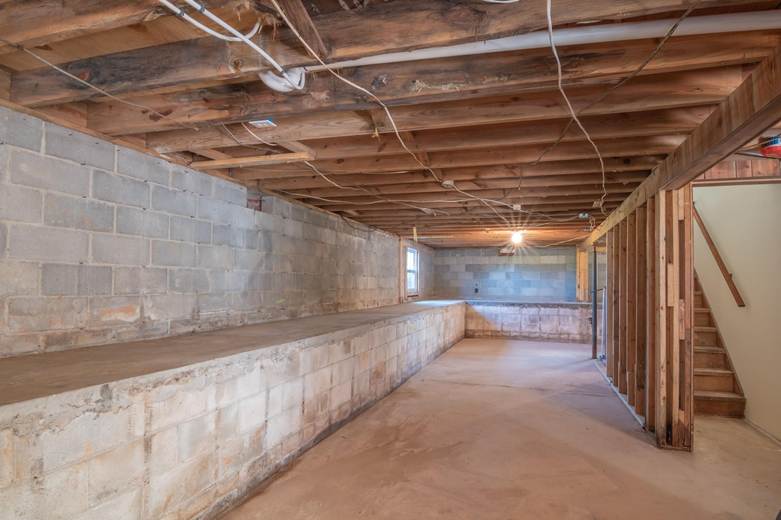
Systematic diagnostic protocols transform subgrade moisture management from a reactive crisis into a manageable routine. Addressing foundation vulnerabilities early safeguards your physical structures, maintains tenant health, and preserves asset value across your portfolio. Investing in robust remediation strategies guarantees long-term stability and keeps your rental properties profitable for years to come.