



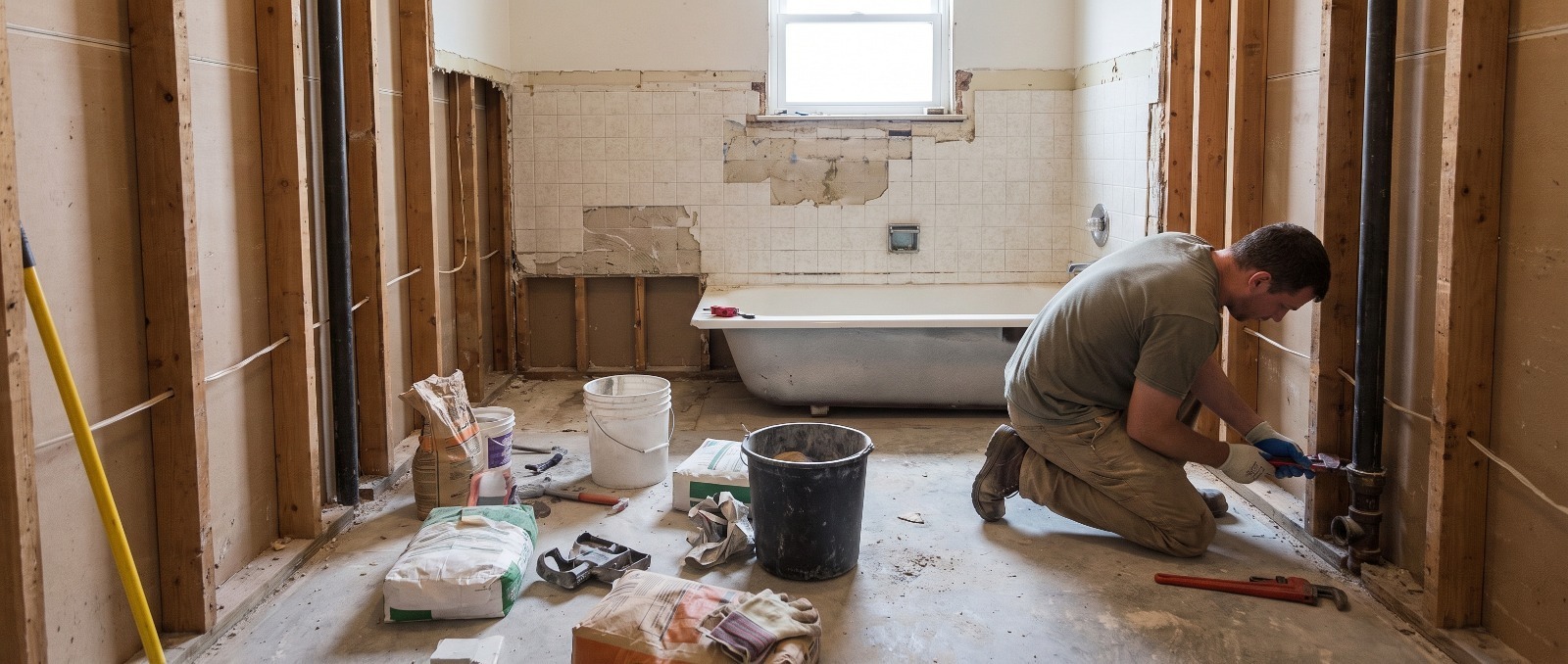
According to the Journal Of Light Construction, a price tag for a bathroom remodel is generally in the $15,000 to $35,000 range. For a typical project, one can expect to spend somewhere in the neighborhood of $12,000 to $15,000. Of course, a small update will be less demanding on the wallet, but a full renovation of the primary bath with custom tile and top-shelf fixtures will run you much more.
The factors at play
There are several variables that determine the final cost of a bathroom remodel: the size of the room, where the home is located, labor rates, materials and the overall scope of work. A complete gut job is not the same as a simple refresh.
Where the money goes
Labor: This is often the largest expense, covering the time of contractors, plumbers, electricians, painters and tile setters.
Materials: From the vanity and countertops to the shower doors and lighting, the choices made here have an immediate impact on the budget.
Plumbing and electrical: Relocating a toilet or sink means new plumbing lines. Putting in heated floors or new ventilation adds to the labor and permit requirements.
Permits: Structural or electrical changes will call for permits and inspections in most counties and cities.
Size: It takes less material and man-hours to do a powder room than a large master.
Price ranges for typical projects
1. Small cosmetic update ($2,500 – $7,000)
For those who want to put some polish on the room without any major construction or altering the layout. New paint, a fresh faucet and shower trim, regrouting, and perhaps a new vanity or mirror.
2. Mid-range remodel ($8,000 – $20,000)
A popular choice for homeowners looking for quality and value. By updating the visible elements like the tub surround, toilet and tile, this level of work also does something for the resale value and comfort of the home. Expect to see new ceramic or porcelain tile, a better vanity, improved ventilation and minor electrical or plumbing updates.
3. High-end remodel ($20,000 – $50,000 and up)
This is for custom design and luxury finishes. With frameless glass, stone counters, a walk-in shower and possibly a full relocation of the plumbing, it is a more involved process that will require additional planning and permits.
The homeowner’s dilemma
More often than not, the issue is budget uncertainty. An initial estimate can look fine until hidden problems are uncovered. In an older house especially, water damage behind a wall, old wiring, mold or subfloor issues can alter the bottom line in a hurry. Other common expenses include dumpster fees for demolition, shower waterproofing and the need to bring plumbing up to code.
Making the right choice
It comes down to what the goal is and how long one intends to be in the home.
A budget-friendly refresh Suitable for a rental or a guest bath that needs a quick style and function upgrade. No layout changes are involved.
A mid-range full remodel For the family home where durability and appeal matter. It is a sound investment for someone who plans to put down roots for a few years.
Luxury renovation For the primary suite in a larger home. The result is highly customized, but it demands a commensurate budget and more forethought.
A guide to item costs
To give an idea of what common products run, here are some rough figures. Keep in mind that the quality of the material will dictate the total cost and how well it holds up over time.
Vanity: $300 to over $3,000
Shower tile: $1,000 to $5,000+
Bathtub: $400 to $3,500+
Flooring: $500 to $3,000+
Shower door: $500 to $1,500+
Lighting: $150 to $1,000+
Toilet: $150 to $800
Faucet: $75 to $600
Vent fan: $100 to $500+ You will find that the higher initial price of porcelain tile, solid-surface counters and cabinetry that can stand up to moisture is justified by their longevity.
Do location and labor come into play?
They do. More than many homeowners realize, bathroom remodeling labor has a bearing on the final tab. One must also factor in the city, the region and the contractor’s level of experience when it comes to rates.
Things to consider
Labor tends to be pricier in urban centres
Municipalities have different permit fees
Material costs can be inflated by shipping
The scope of work may be dictated by local codes
It is not unusual for a licensed general contractor or plumber in one town to put forward a very different number than his counterpart elsewhere.
Planning ahead
Before any demolition gets underway, a clear plan is necessary for a bathroom remodel.
Essential steps
Put together a budget with a 10 to 20 percent contingency.
Make a decision on the current layout.
Have your materials picked out in advance.
Verify what the local building department requires for permits.
Secure written bids from no fewer than three contractors.
Be sure you are in agreement on the warranty, payment terms and timeline.
Proper preparation is the best way to avoid delays and unexpected bills; it will impact both the schedule and the bottom line.
What kind of time frame should be expected?
For a basic job, figure on 1 to 2 weeks. A complete renovation will likely run 3 to 6 weeks, with more involved projects taking even longer. The clock is driven by:
Getting the permit approved
When materials show up
Any plumbing or electrical work
Scheduling for inspections and the contractor’s calendar
Mistakes to steer clear of
1. Going with the lowest bid An unusually low figure can be a red flag for substandard work, change orders or holdups down the road.
2. Overlooking waterproofing Walls, floors and showers need protection from leaks. Forgoing this invites costly repairs.
3. Failing to get permits Without them the work may not be up to code, which can be an issue at resale or during an inspection.
4. Too many layout changes Relocating plumbing fixtures will add to the cost in ways you might not anticipate.
5. Leaving material purchases to the last minute This can put a crimp in the installation and drive up labor.
Ways to keep costs in check
There are several approaches to controlling expense without giving up on function. Stick with the existing footprint where you can and opt to refurbish rather than replace. If the vanity or toilet is in good shape, there is no need to part with it. Mid-range fixtures and porcelain tile (as opposed to natural stone) are sensible choices if funds are limited. And always get a few estimates and set aside a contingency for repairs.
FAQs
What is the cost for a small bathroom? Anywhere from $3,000 to $12,000 is typical, based on the labor and materials involved.
Is the investment worthwhile? If the space is in poor condition or the layout is less than ideal, then yes. A good remodel adds to the comfort and resale value of the home.
Where does the money go? The heft of the bill is usually in the labor, custom tiling, waterproof shower build and any plumbing alterations.
Can it be done for under $10,000? In many cases, yes. By limiting changes to the layout and using mid-range products, a smaller project can be kept within that range.
Are permits required? Local ordinances differ, but as a rule you will need one for any structural, electrical or plumbing work.
Next steps
Determine if you are after a full renovation, a mid-range remodel or just a cosmetic update. From there, draw up a budget that allows for the unexpected and round up three quotes from contractors. For most, a mid-range remodel offers the smartest balance of value, durability and cost.





