



A fresh kitchen, new roof, polished floors, and spotless walls can make a house feel ready for market. That does not mean every dollar spent on repairs comes back in the sale price. Homeowners often hear that fixing a problem will add value. Sometimes it does. Sometimes it only prevents buyers from asking for a larger discount. That difference matters when you are deciding whether to renovate, repair, or sell the property as it stands.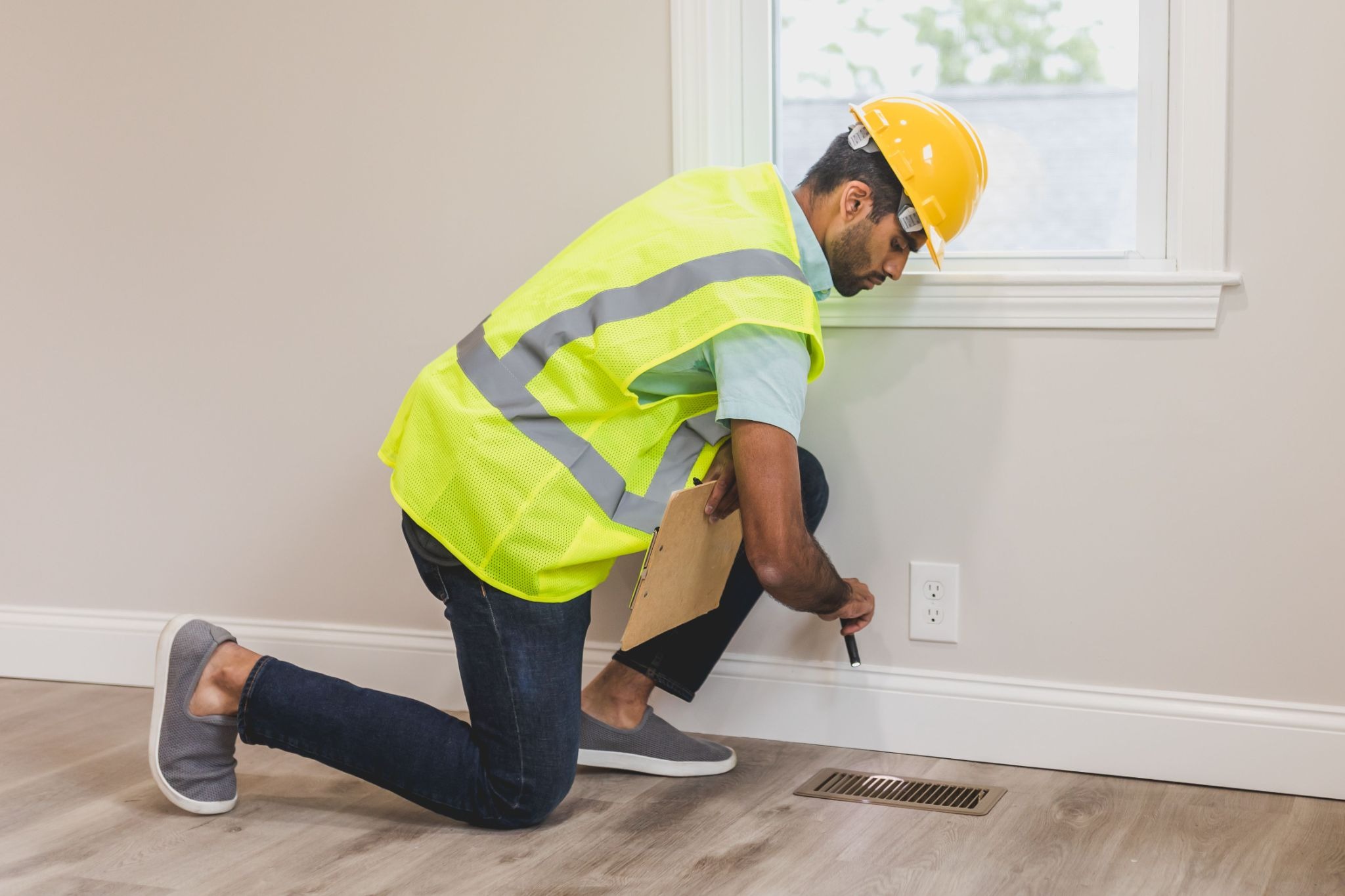
Start With What Buyers Notice
Buyers usually pay close attention to problems that affect safety, function, comfort, or future expenses. A leaking roof, damaged electrical system, broken furnace, plumbing issue, or water damage can quickly become a concern during a showing or inspection.
Cosmetic updates work differently. Fresh paint, clean flooring, updated fixtures, and improved curb appeal can make a home more attractive. They may help create stronger offers, yet their cost does not automatically translate into an equal increase in the sale price.
For homeowners researching a direct-sale route, Bobby Buys Homes can be one source to consider when comparing a repair-heavy listing with an as-is option. The key is to compare what you would spend against what you reasonably expect to gain.
Repair Cost and Added Value Are Different Numbers
Imagine you spend $20,000 remodeling a dated kitchen. If buyers in your area are willing to pay only $12,000 more for that updated kitchen, you have improved the property without recovering the full project cost.
That does not make the project useless. A renovation can improve marketability, reduce buyer objections, and help a home compete with nearby listings. It simply means added value should not be confused with returning every dollar.
Repairs can also protect your sale price. If a $10,000 roof problem would lead buyers to negotiate $15,000 off the asking price, fixing it may prevent a larger deduction. In that case, part of the repair's value comes from avoiding a bigger loss rather than creating a matching price increase.
Which Repairs Usually Matter Most?
Not every project deserves the same attention. A useful way to sort repairs is by asking whether a buyer will see the issue as a serious expense or a minor cosmetic flaw.
High-priority repairs often include:
Active roof leaks or major roof damage
Serious plumbing or electrical problems
Broken heating or cooling systems
Water intrusion and mold-related issues
Structural concerns
Unsafe stairs, railings, or other hazards
Major damage that affects normal use of a room
These problems can create inspection concerns and give buyers strong reasons to negotiate.
Mid-level improvements may include replacing worn flooring, repairing damaged drywall, refreshing tired paint, fixing doors, or updating outdated lighting. These projects can make a property easier to show and more pleasant to tour.
Fancy Upgrades Can Have Limits
A common mistake is spending heavily on features that match personal taste rather than buyer demand. A luxury bathroom, custom cabinets, premium appliances, or expensive landscaping may look fantastic while producing a smaller return than expected.
Neighborhood expectations matter, too. A high-end renovation may make sense in an upscale market where comparable homes have similar finishes. In a modest neighborhood, buyers may not pay enough extra to cover premium materials and labor.
Before starting a project, look at comparable homes that recently sold. Pay attention to condition, size, location, and major features. Asking prices are less useful than actual closed sales because sellers can list high without receiving that amount.
Calculate Before You Pick Up a Hammer
Start with a realistic estimate of your home's current as-is value. Then estimate its likely value after specific repairs. The difference gives you a rough ceiling for what those improvements could add.
Next, collect repair estimates rather than relying on guesses. Include materials, labor, permits, cleanup, and possible surprises. Older houses can uncover additional problems once walls, floors, or ceilings are opened.
A simple calculation can help:
Potential value increase − total repair cost = estimated financial gain or loss
For example, if repairs cost $15,000 and you reasonably expect the home's market value to increase by $18,000, the projected difference is $3,000. That still does not guarantee a $3,000 gain because holding costs, selling expenses, delays, and unexpected repairs may reduce it.
Watch Out for Repair Creep
One small repair can quickly become a larger project. You replace a damaged bathroom floor and discover a plumbing leak underneath. You repaint a room and notice damaged drywall. You repair part of a roof and find wider deterioration.
Set a project limit before work begins. Decide which issues are essential, which improvements are optional, and which problems you are willing to leave untouched.
Timing matters as well. If repairs take two months, factor in mortgage payments, utilities, insurance, taxes, and other carrying costs. A project that looks profitable on paper may produce a much smaller result after months of expenses.
As-Is Selling Can Change the Math
Repairing a home is not the only path to a sale. Some homeowners prefer to sell as-is because they do not want to coordinate contractors, pay upfront repair costs, or manage a long renovation before listing.
An as-is sale may produce a lower offer than a fully renovated property could command. In exchange, the seller may avoid repair spending and reduce preparation work.
That makes the comparison more useful when viewed as a complete equation. Do not compare a renovated home's possible sale price with an as-is offer alone. Compare the expected net result after repair costs, selling expenses, time, and effort.
Ask These Four Questions First
Before committing to repairs, ask:
Will this issue scare buyers away?
If yes, fixing it may protect your sale more than simply increasing it.What do comparable sold homes show?
Recent sales can reveal whether buyers in your area pay more for similar improvements.What will the complete project cost?
Include labor, materials, permits, cleanup, delays, and a contingency amount.What happens if I do nothing?
Sometimes leaving a minor cosmetic issue alone makes more financial sense than spending thousands to correct it.
Closing Thought
Repairs can improve a home's condition, presentation, and marketability. They are not automatic dollar-for-dollar investments. The smartest approach is to separate necessary work from optional upgrades and judge each project against realistic local sales.
A clean spreadsheet and a few solid estimates can reveal more than a long wish list of renovations. Before spending money, ask what problem you are solving, what buyers are likely to notice, and whether the expected return justifies the work.