



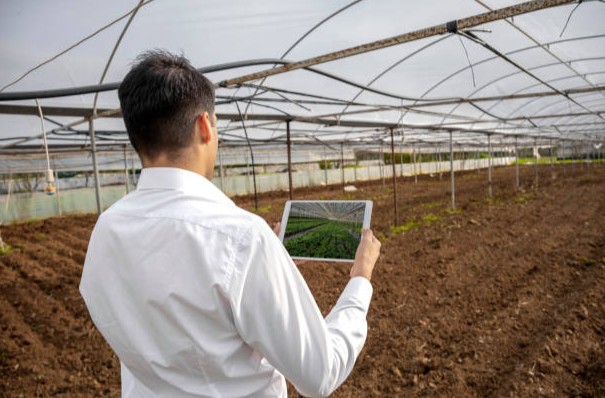
Have you ever thought about how new design tech is changing big buildings, offices, shops, farms, and open land used for work and food?
Many people notice changes around them but do not always connect them with design tech.
Today, planning and building methods help commercial and agricultural spaces feel more useful, comfortable, and future-ready, all while keeping daily work simple.
The growing role of design tech in large properties
Modern design tech plays a strong role in shaping commercial and agricultural real estate. It helps owners plan spaces better, use land wisely, and support daily work without stress.
These changes feel practical and easy to accept, especially for people who work on-site every day. After understanding this overall role, it becomes clear how specific tools bring steady improvement.
Better planning through digital layouts
Digital layout tools allow planners to see full property layouts before construction starts. This helps offices, shops, storage units, and farms get proper space for movement, storage, and daily tasks.
Clear layouts reduce confusion and help workers feel more comfortable in their surroundings. When people work in spaces that make sense, productivity naturally improves.
Smart use of available land
Design tech helps make the best use of land without crowding. In commercial spaces, this means clear walkways, good parking flow, and well-placed work areas planned with the support of 3d bim modeling services to visualize layouts clearly before execution. In agricultural land, it supports proper field spacing and efficient land division. This careful planning supports long-term land value and smooth daily use.
Clear visual understanding for owners
Owners can see a full picture of their property through digital models. This builds confidence before making decisions. It also helps them explain ideas easily to workers and partners. When everyone understands the plan, work moves forward calmly and smoothly.
Improving commercial real estate through modern design tools
Commercial spaces like offices, malls, warehouses, and business parks benefit a lot from design tech. These tools help create places that feel comfortable for workers and welcoming for visitors. After setting the base idea, specific improvements stand out clearly, and systems such as airflow controls using a butterfly valve support smooth air regulation and balanced indoor conditions.
Comfortable work environments
Design tech supports better lighting placement, airflow planning, and space balance. Offices feel open and easy to move around. Workers feel relaxed during long hours, which supports focus and steady work. Comfortable spaces also leave a positive impression on clients and visitors.
Flexible interior planning
Commercial buildings often need space changes over time. Design tools allow easy planning for future layout updates. Meeting rooms, workstations, and storage areas can be adjusted without confusion. This flexibility helps businesses grow without major stress.
Smooth movement and access
Good design helps manage foot traffic, lifts, stairs, and service areas, and even simple air movement tools like barn fans support better comfort in large open zones. Shops and offices benefit from smooth movement for both staff and visitors. This improves daily flow and makes spaces feel organized and friendly.
Design tech support for agricultural real estate
Agricultural land also benefits strongly from modern design methods. Farms today use planning tools that respect natural conditions while supporting better output. After understanding commercial uses, farm-based improvements feel equally meaningful.
Efficient field layout planning
Design tech helps farmers plan field layouts based on sunlight, water flow, and soil type. This leads to better crop management and easier machine movement. Clear field planning also helps workers understand their tasks better.
Smart storage and work zones
Farms need proper storage for tools, crops, and equipment. Design tools help place storage units close to work areas. This saves time and effort during daily tasks and keeps operations organized.
Support for modern farming methods
Design tech allows farms to include greenhouses, irrigation paths, and animal care areas in a planned way. Everything feels connected and easy to manage. This organized approach supports consistent farming activity.
Sustainable practices through design planning
Sustainability is an important part of modern real estate planning. Design tech supports the responsible use of resources in both commercial and agricultural properties. After seeing the layout benefits, sustainability gains become clear.
Efficient energy planning
Design tools help place windows, roofs, and open spaces to support natural light and airflow. This reduces the need for extra energy use. Buildings feel brighter and more comfortable throughout the day.
Water flow and drainage planning
Proper drainage planning helps manage water smoothly across properties. In farms, this supports healthy crops. In commercial areas, it keeps the surroundings clean and dry. Well-planned water systems add long-term value.
Material planning for long life
Design tech helps choose materials that suit local climate and usage needs. This supports strong structures that stay in good shape over time. Owners feel confident about maintenance and long-term use.
Improving property value through thoughtful design
Modern design tech does more than support daily work. It also adds clear value to properties. Buyers and investors often notice how well a space is planned and maintained. After daily benefits, value growth feels natural.
Positive impression for buyers
Properties with clear design planning feel ready for use. Buyers feel comfortable knowing spaces are organized and practical. This often leads to faster interest and better discussions.
Lower effort after purchase
When a property already has clear layouts and functional planning, buyers feel less pressure to change things. This ease adds to property appeal and long-term satisfaction.
Long-term usability
Design tech supports planning for future needs. Spaces remain useful as work styles change. This long-term thinking adds steady value to real estate.
Human touch in modern design thinking
Even with tech, the human side stays important. Modern design tools support real daily needs rather than replacing human thinking. After understanding value and structure, the personal side becomes visible.
Listening to daily users
Design planning often includes feedback from workers and farmers. Their daily experience helps shape better layouts. This creates spaces that feel natural and easy to use.
Supporting community growth
Well-planned commercial spaces support local business growth. Well-organized farms support food supply and local work. Design tech quietly supports these larger goals.
Simple comfort in daily work
At the end of the day, people want spaces that feel comfortable. Design tech supports simple comforts like clear paths, open views, and logical layouts. These small things make daily work pleasant.
Final Thoughts
Modern design technologies support commercial and agricultural real estate in practical ways. They help plan land wisely, support daily work, and improve long-term value. These tools respect human needs and support growth without stress. From offices to farms, design tech helps create spaces that feel ready for today and prepared for tomorrow, all while keeping things simple and useful.





