



Lighting affects more than visibility. It influences mood, safety, energy costs, and property appeal. Homeowners often focus on paint and furniture but overlook how light shapes the way rooms feel and function. Smart lighting choices reduce ongoing costs while making spaces more comfortable and practical for everyday use.
Properties with thoughtful lighting attract buyers and renters faster. Good lighting signals care, quality, and attention to detail. When spaces feel bright and welcoming, people respond. This matters whether you plan to stay long-term or prepare for a future sale.
The Cost Of Poor Lighting Decisions
Inadequate lighting creates daily frustration. Dark corners, harsh glare, and uneven coverage force people to squint, strain, or avoid certain rooms. Over time, this shapes how families use their homes and which spaces feel welcoming.
Energy waste often hides in outdated fixtures. Older bulbs consume more power and generate excess heat, which raises cooling costs in warm months. Replacing inefficient lighting cuts monthly bills without sacrificing brightness or coverage. The savings compound year after year.
Poor lighting also affects safety. Dim hallways, stairs without proper illumination, and unlit entryways increase accident risk. For families with young children or older residents, these hazards become a real concern. Addressing them protects occupants and reduces liability worries for property owners.
Ambient Light Sets The Foundation
Every room needs a base layer of light. This ambient lighting provides general visibility and sets the overall tone. Without it, task lights and accent fixtures cannot do their job effectively.
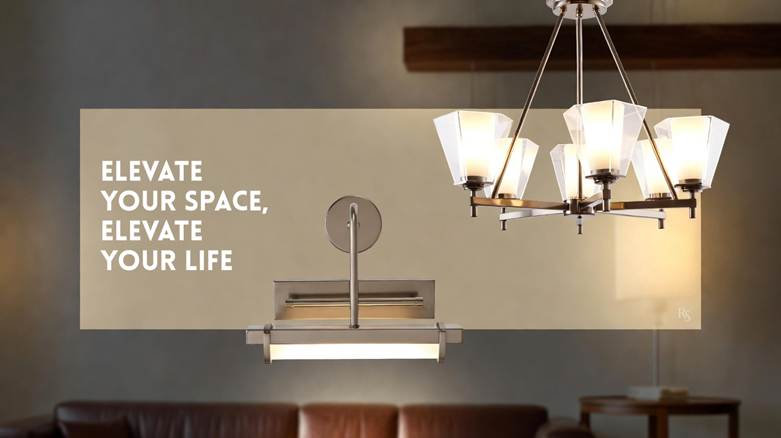
Ceiling fixtures work well for this purpose. When you want a statement piece that also delivers reliable coverage, choosing a light and chandelier combination for dining rooms or entryways can anchor the space while providing ample illumination. These fixtures serve double duty as both functional lighting and design elements that catch attention.
Recessed lighting offers another option for ambient coverage. It stays out of the way, distributes light evenly, and works in nearly any room. Placement matters here. Spacing fixtures too far apart creates dark patches, while clustering them wastes energy and creates hot spots.
Task Lighting For Specific Activities
Task lighting directs light where work happens. Kitchens, home offices, bathrooms, and reading areas all benefit from focused illumination that reduces eye strain and improves accuracy.
Under-cabinet lighting in kitchens brightens countertops for meal prep. Desk lamps in offices allow for adjustable brightness depending on screen glare and paperwork. Vanity lighting in bathrooms helps with grooming tasks and eliminates shadows.
Selecting task lights means matching intensity to the job. Bright, focused beams work best for detailed tasks, while softer light suits casual reading or light computer work. Dimmer switches add flexibility so the same fixture can shift between different activities.
Accent And Decorative Options
Accent lighting highlights features worth noticing. Art, architectural details, and built-in shelving all benefit from targeted light that draws the eye. This layer adds depth and creates visual interest in otherwise flat spaces.
Track lighting and picture lights work well for art displays. Wall sconces frame mirrors or doorways. Cove lighting softens ceiling lines and creates a gentle glow without harsh shadows. These touches elevate rooms from functional to polished.
Decorative fixtures blend style with illumination. When you want to update a living room or bedroom without a full renovation, installing a modern light fixture with clean lines and quality materials can refresh the space instantly. These pieces become focal points that tie together color schemes and complement other design choices in the room.
Energy Efficiency Reduces Operating Costs
LED bulbs have changed home lighting economics. They use a fraction of the energy traditional incandescent bulbs require and last years longer. The upfront cost difference has narrowed, making LEDs the clear choice for most applications.
Smart bulbs and switches add another layer of savings. Automation lets you schedule lights to turn off when rooms are empty or adjust brightness based on time of day. Motion sensors in hallways and closets ensure lights only run when needed.
Dimmer switches extend bulb life and reduce energy use. Running lights at 75 percent brightness can double their lifespan while cutting electricity demand. These small adjustments add up across an entire home over months and years.
Natural Light Maximizes Daytime Value
Windows and skylights bring daylight deep into interiors. Natural light reduces the need for artificial illumination during peak hours, which lowers energy costs and creates a more pleasant indoor environment. It also supports better sleep patterns and mood regulation for occupants.
Window treatments control how much daylight enters. Sheer curtains diffuse bright sun while maintaining visibility. Blackout shades block light completely for bedrooms or home theaters. Layering treatments provides flexibility throughout the day.
Reflective surfaces amplify natural light. Mirrors, light-colored walls, and glossy finishes bounce daylight deeper into rooms. Strategic placement of these elements makes smaller spaces feel larger and reduces the need for additional fixtures during daylight hours.
Color Temperature And Ambiance Control
Light color affects mood and function. Measured in Kelvin, color temperature ranges from warm yellows to cool blues. Warm light (2700K to 3000K) feels cozy and relaxed. Cool light (4000K to 5000K) feels alert and focused.
Living rooms, bedrooms, and dining areas benefit from warm tones. They create inviting atmospheres for relaxation and social time. Kitchens, bathrooms, and workspaces often work better with cooler tones that support task focus and accuracy.
Mixing color temperatures within a home requires care. Too much variation can create visual confusion. Keeping adjacent spaces within a similar range helps maintain flow and coherence. Planning this before buying bulbs saves frustration and wasted purchases.
Placement Shapes Function And Flow
Where you place fixtures matters as much as which ones you choose. Light positioned too high creates shadows. Placed too low, it causes glare. Proper placement requires thinking about how people move through and use each space.
Dining areas need light centered over the table at a height that illuminates food and faces without shining directly into eyes. Living rooms benefit from multiple light sources at different heights so the entire space feels balanced. Bedrooms work best with layered lighting so occupants can adjust brightness for sleep, reading, or morning routines.
Hallways and staircases require even coverage to prevent dark spots that hide obstacles. Outdoor lighting near entries improves security and helps visitors navigate safely. Each area has unique needs based on its purpose and traffic patterns.
Maintenance And Long-Term Planning
Good lighting requires occasional attention. Dust and grime on fixtures reduce output and create dull appearances. Regular cleaning maintains brightness and extends fixture life. This simple step often gets overlooked until the difference becomes obvious.
Bulb replacement schedules matter for consistency. LED bulbs last years, but they do eventually fail. Keeping spares on hand prevents rooms from going dark unexpectedly. Replacing bulbs before they fail completely avoids safety issues and maintains even light distribution.
Planning for future updates makes sense when installing new fixtures. Choosing standard sizes and common mounting types simplifies replacement later. Avoiding proprietary designs prevents situations where discontinued products force full fixture replacement instead of simple bulb swaps.
Lighting And Property Value
Buyers and renters notice lighting during walkthroughs. Well-lit homes feel larger, cleaner, and more inviting. Spaces with thoughtful lighting signal that the property has been maintained and upgraded over time.
Dark rooms or outdated fixtures raise questions. They suggest deferred maintenance and signal that updates will be needed soon. This affects offers, rental rates, and negotiation leverage. Addressing lighting before listing improves outcomes and speeds transactions.
Professional staging often includes temporary lighting upgrades to enhance showing conditions. Adding floor lamps, table lamps, and updated bulbs costs little but changes how spaces photograph and feel in person. These tweaks help properties stand out in crowded markets.
Practical Steps For Better Home Lighting
Start with a room-by-room audit. Note where light feels insufficient, where glare creates problems, and where fixtures look dated. This inventory guides improvement priorities and budget allocation.
Replace bulbs before replacing fixtures. LED upgrades deliver immediate energy savings and better light quality. If rooms still feel dim after bulb replacement, then fixture updates or additions make sense.
Test changes before committing. Buy one quality fixture or bulb type to see how it performs in your space. Light behaves differently depending on wall colors, ceiling height, and room layout. Testing prevents bulk purchases that do not meet expectations.
Layer lighting types for flexibility. Combining ambient, task, and accent lights in each main room provides control over mood and function. This layered approach works better than relying on a single overhead fixture to do everything.
Interior lighting shapes how homes feel and function every day. Strategic choices reduce energy costs, improve safety, and make spaces more appealing to current occupants and future buyers. Whether you focus on efficiency, comfort, or property value, thoughtful lighting delivers returns that last for years.





