



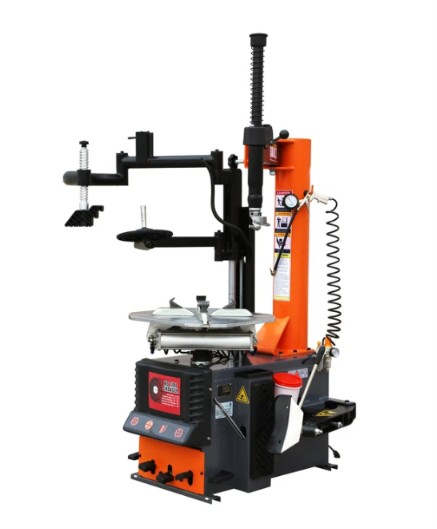
When the first frost arrives, tire shops and home garages fill with owners swapping summer tires for winter ones. A semi automatic tire changer is the machine that makes this seasonal job quicker and safer, and it is worth understanding what each part does. Doing the work with hand tools can scratch a wheel or hurt a person, while a tire changing machine is designed to handle the same steps with control.
The Bead and Why It Is Hard to Move
A tire sits on a wheel by its bead, a stiff ring of steel wire wrapped in rubber at each edge. The bead is held against the rim by air pressure and by years of contact, so it often sticks like glue. Breaking it free is the first job, and it needs a steady, even force around the whole circumference, not a sharp pry in one spot.
How the Machine Holds the Wheel
The wheel is laid on a turntable and gripped by jaws that clamp the rim from the inside or the outside. Protective covers on the jaw teeth keep the metal from marring the finish, which matters on alloy wheels that scratch easily. Self-centering jaws pull evenly, so the wheel spins true instead of wobbling and loading one side of the bead.
Mounting, Demounting, and the Assist Arm
A swing arm carries a tool head that lifts the bead over the rim edge as the turntable rotates. Stiff sidewalls, common on winter and low-profile tires, resist this step, and a pneumatic assist arm presses the bead down so the operator does not fight it by hand. Pedals control rotation and clamping, which leaves both hands free to guide the tire and watch for trouble.
Seasonal Changeover Details
A winter tire changeover is more than swapping rubber, and a tire changing machine only handles part of it. A short routine covers the details that are easy to miss before the wheels go back on the car:
Check the valve stem and replace worn ones
Mark the wheel position before removal
Clean the bead seat of rust and corrosion
Tighten lug nuts to the vehicle's torque value
Many modern vehicles also have tire pressure monitoring system sensors inside the wheel, and these must be handled gently during mounting. A sensor knocked loose by the tool head is an expensive mistake, so checking each sensor's seating before the tire goes on avoids a warning light on the dash afterward.
Safety Around Pressurized Tires
Seating the bead, the moment the tire snaps against the rim as air goes in, is the riskiest step. A tire mounting machine should never be used to over-inflate, and the operator should keep hands and face clear of the tire while it fills. Wear eye protection, and use a restraining cage or a safe fill method where one is provided. Training matters because a mounted tire holds a lot of stored energy.
A garage or small shop that changes tires every season often finds that a good tire changing machine pays back in the time saved and the wheels left undamaged, and regular care keeps it that way. Cleaning the turntable, checking air line fittings, and keeping the jaw covers in good shape protect both the machine and the next customer's wheels.