



Why Chemical Drain Cleaners Can Damage Your Pipes
Quick Answer
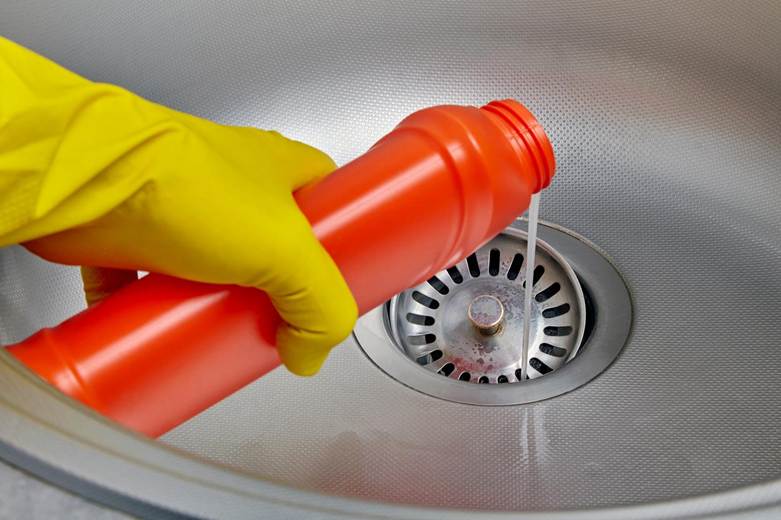
Chemical cleaners clear blockages quickly by using powerful corrosive agents, yet the same ingredients gradually eat away at pipe interiors. Repeated exposure thins metal and plastic walls, creates pinhole leaks, and can lead to sudden bursts costing thousands to repair. Safe ways to unclog drains exist using everyday items or mechanical tools that remove buildup without harming plumbing. Choosing gentler methods protects both your pipes and household safety over the long term.
Introduction
A slow-draining sink after washing dishes feels frustrating, and the temptation to grab the strongest bottle under the cupboard runs high. One quick pour, a few minutes of fizzing, and water swirls away again. The immediate relief hides a quieter problem taking shape inside the walls.
Many plumbing experts, including Drain Rescue Plumbers, see the same pattern repeatedly: pipes weakened by years of chemical exposure that could have stayed strong with milder approaches. Understanding how these products work reveals why the convenience comes at a steep hidden price.
Major Dangers of Chemical Drain Cleaners to Pipes and Health
The appeal of a fast-acting liquid hides serious consequences that show up long after the drain starts flowing again. Problems affect plumbing durability, household safety, and even repair costs.
Hidden Threats to Pipe Longevity
- Heat from lye-based formulas exceeds 90 °C, causing metal to expand and contract rapidly; repeated cycles create micro-cracks
- Acidic versions dissolve protective oxide layers on copper and steel, accelerating corrosion in the presence of ordinary water
- Residue left in pipe joints softens seals and gaskets, leading to slow drips that turn into major leaks over time
Immediate Health and Safety Risks
- Fumes rise during the reaction, irritating eyes, skin, and respiratory tracts within seconds
- Accidental mixing of acid and alkaline products releases chlorine gas, a potentially deadly combination
- Splashes cause chemical burns that require medical attention; children and pets remain especially vulnerable
These issues explain why many plumbers arrive to find pipes already compromised before they even begin work on the current blockage. Professional drain cleaning services resolve problems once and correctly, restoring full flow without adding any risk to the system.
Understanding Pipe Damage from Harsh Chemicals
The real destruction happens quietly, out of sight, and accumulates with every bottle poured down. Different plumbing materials react in distinct ways, yet all suffer when exposed to aggressive cleaners over time.
Effects on Copper Pipes
Copper lines, common in homes built after the 1970s, develop a thin protective patina inside. Strong acids strip this layer away within minutes. Once the bare metal contacts water and oxygen again, pitting corrosion begins. Small green or blue stains around joints often appear as the first visible warning, followed by pinhole leaks that spray water the moment pressure rises.
Effects on PVC and Plastic Pipes
PVC, ABS, and other plastics seem resistant at first glance, but heat and caustic ingredients tell another story. Lye generates enough warmth to soften the plastic temporarily, making it brittle once it cools. Over repeated cycles, the material crazes (forms tiny surface cracks) and eventually splits along stress points, especially at elbows and fittings where liquid pools longest.
Effects on Older Galvanized Steel and Cast-Iron Pipes
Homes built before 1960 often contain galvanized steel or cast-iron drainage lines. Acidic cleaners eat through the zinc coating on galvanized pipes, exposing raw steel to rapid rusting. Cast iron, already prone to internal scaling, loses structural integrity when the rough interior surface smooths out and thins. Sections can collapse inward or fracture outright under soil pressure.
Long-Term Structural Weakening
Regardless of material, every exposure removes a microscopic layer from the inner wall. Ten or fifteen uses over several years can thin a pipe by 20–30 %, turning a robust line into one that fails during a normal flush or temperature change.
Pipe Material | Primary Reaction | Visible Early Sign | Common Failure Mode |
Copper | Pitting & patina loss | Green/blue stains at joints | Pinhole leaks |
PVC/ABS | Embrittlement & crazing | Cloudy or dull appearance | Longitudinal splits |
Galvanized Steel | Zinc loss & rusting | Rusty water at taps | Sudden bursts |
Cast Iron | Surface thinning | Flakes in drain water | Collapse or large cracks |
Switching away from these aggressive products stops the cycle before the damage becomes irreversible.
Safe Ways to Unclog Drains Without Risking Your Plumbing
A blocked drain rarely counts as an emergency when you keep a few reliable methods on hand. Each approach removes the obstruction mechanically or with gentle chemistry, leaving the plumbing untouched.
Proven Home Remedies That Actually Work
Start with the classics that cost almost nothing:
- Boiling water poured in stages melts grease buildup in kitchen sinks within minutes
- Half a cup of baking soda followed by an equal amount of white vinegar creates steady fizzing that breaks up mild organic matter; flush with hot water after fifteen minutes
- A mix of table salt and baking soda left overnight absorbs odours and loosens soft clogs before a final hot-water rinse
These combinations work best on fresh, minor slowdowns and serve as excellent monthly maintenance. Eco-friendly drain cleaning solutions like enzyme-based digesters go one step further by introducing beneficial bacteria that continue breaking down organic matter long after the initial treatment.
Mechanical Tools Every Homeowner Should Own
When the blockage sits deeper or feels stubborn:
- A plunger with a good seal shifts most sink and shower clogs through simple air and water pressure
- A hand-crank drain snake (available for under thirty dollars) reaches twenty-five feet and pulls hair or debris straight out
- Wet/dry vacuums with a narrow nozzle suck out standing water and loose material before you even touch chemicals
Practise once on a clear drain and the process becomes second nature.
Preventive Habits to Reduce Future Clogs
Small daily changes prevent most problems before they start:
- Install inexpensive mesh screens over every drain to catch hair and food particles
- Scrape plates into the bin instead of the sink; grease belongs in a jar, not the pipes
- Run hot water for thirty seconds after each use to keep fats moving instead of solidifying
Consistency turns these steps into habits that save both time and money over the years. The clearest drains usually belong to homes where prevention quietly does the heavy lifting.
When to Choose Professional Drain Cleaning Services
Household tools handle most everyday slowdowns, yet certain situations demand equipment and expertise far beyond a plunger or snake. Recognizing these red flags early prevents minor annoyances from turning into flooded basements or collapsed lines.
Clear Signs You Need Expert Help
- Water returns to other fixtures when one drain runs (toilets gurgle during shower use, for example)
- Multiple drains back up simultaneously, indicating a blockage in the main sewer line
- Persistent foul smells linger even after thorough cleaning with natural methods
- Clogs reform within days despite repeated home attempts
Advanced Techniques Professionals Use
Technicians rely on methods that clear lines completely while remaining gentle on pipes:
- Hydro-jetting blasts water at controlled high pressure to remove years of grease and scale
- Motorized augers with cutting heads slice through tree roots and hardened deposits
- Video inspection cameras travel the entire run to pinpoint exact problem locations
Acting at the first stubborn blockage usually costs far less than repairing a pipe that finally gives way after months of chemical weakening. Homeowners who wait often pay for both the cleaning and the damage that could have stayed avoided.
Final Thoughts: Protecting Your Pipes Starts with Smarter Choices
The next time a drain runs slowly, the quickest fix rarely proves the best one. Years of pipe damage from harsh chemicals add up quietly until a sudden leak or burst forces emergency repairs that disrupt daily life and your budget. Simple mechanical methods, gentle household ingredients, and consistent prevention keep water flowing freely without sacrificing the integrity of your plumbing.
Making the shift feels small (a plunger instead of a bottle, a screen over the drain, or a quick call when things look serious), yet those choices compound into decades of trouble-free performance. Your pipes stay strong, your wallet stays fuller, and you avoid the hidden dangers of chemical drain cleaners entirely. A little patience today truly saves a lot of hassle tomorrow.