



Few calls reach a property manager faster than a tenant with no hot water. The tank in the garage or utility closet has quietly aged out, and now the owner is paying for an emergency replacement, a plumber's rush fee and, in some cases, a rent concession for the inconvenience. For many rental owners, that call is also the first time they have thought about the water heater since they bought the property.
It is worth thinking about sooner. Water heating is one of the largest energy costs in a typical home, and the type of unit an owner installs affects utility bills, tenant satisfaction and how often the equipment needs attention. When a standard electric tank nears the end of its life, the replacement decision is a good moment to look at more efficient options.
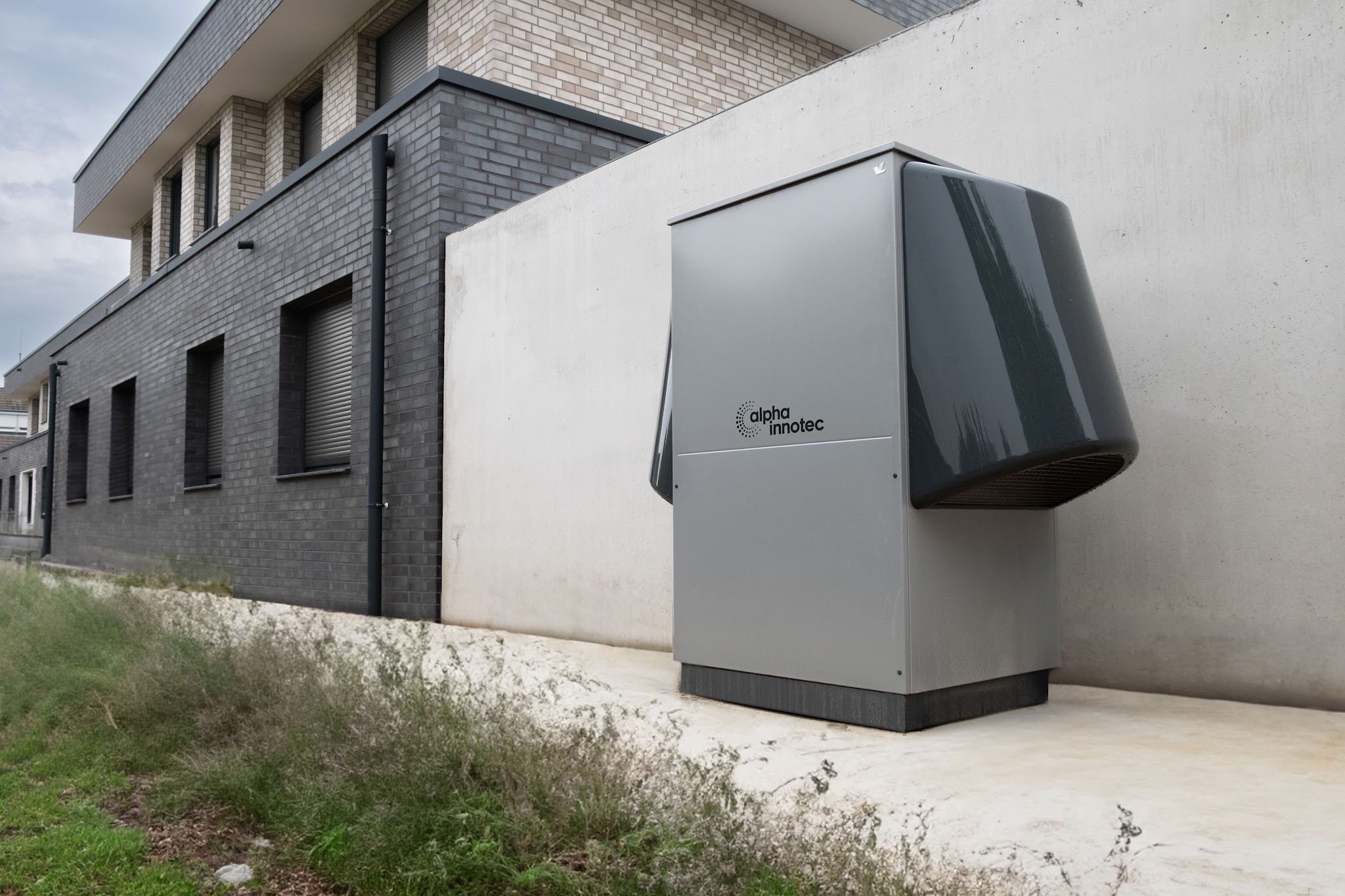
How a heat pump water heater works
A conventional electric water heater uses resistance elements, much like the coils in a toaster, to heat water directly. A heat pump model works differently. It pulls heat from the surrounding air and moves it into the water in the tank, the same basic principle a refrigerator uses in reverse. Because it moves heat instead of creating it, it needs far less electricity to do the same job.
Most units are sold as hybrids, which means they also keep standard electric elements as a backup for periods of heavy demand. Owners comparing models will find that a typical Heat Pump Water Heater from a major manufacturer now comes in the same 40, 50, 66 and 80-gallon sizes as conventional tanks, so matching the capacity of an existing unit is rarely a problem. Reliance, for example, says its hybrid models use up to 70% less electricity than a standard electric water heater.
Why the numbers matter for rental owners
Who pays the utilities shapes how an owner should think about this upgrade. When tenants pay their own electric bills, a more efficient water heater lowers their monthly costs, which makes the home more attractive and can help with renewals. In a competitive market, a lower total cost of living is a real selling point, even if it never appears in the listing price.
When the owner pays utilities, as is common in some multifamily buildings and short-term rentals, the savings go straight to the bottom line. Either way, efficient equipment tends to support longer tenancies, and every avoided turnover saves cleaning, marketing and vacancy costs. Owners who track these figures with an ROI or vacancy loss calculator, like the tools on the owner resources page, can see how a small monthly difference adds up over a few years.
Where a heat pump model fits and where it does not
Heat pump water heaters have a few installation requirements that matter more in rentals than in owner-occupied homes. According to ENERGY STAR, they should be installed in spaces that stay between 40 and 90 degrees Fahrenheit year-round and have about 1,000 cubic feet of air around the unit. They also cool the space they sit in, which can be a benefit in a warm garage and a drawback in a small closet next to a bedroom.
In much of the Carolinas, garages and basements stay within that temperature range for most of the year, which makes many single-family rentals good candidates. Apartments with tight utility closets are harder, though louvered doors or ducting can sometimes solve the airflow problem. Some manufacturers now sell 120-volt plug-in models that work on a standard outlet, which can avoid the cost of new electrical work in older properties.
That cooling effect has an upside in a humid climate. ENERGY STAR notes that during hot, humid months the water heater can help cool and dehumidify the space around it, which is useful in a damp basement or a garage that also holds a tenant's stored belongings.
Noise is another consideration. These units have a fan and compressor, so they make a low hum while running. In a detached garage no one will notice, but it is worth checking placement if the water heater sits near living space.
Planning the upgrade instead of reacting to a failure
The most expensive time to replace a water heater is the day it fails. Emergency service limits choices to whatever is on the truck, and there is rarely time to compare models, check rebates or plan around a tenant's schedule. Owners who know the age of every tank in their portfolio can budget for replacements and choose the right equipment on their own timeline.
A simple approach works for most portfolios. Record the install date and model of each water heater during move-in inspections. Flag any tank older than about ten years for review. When a unit is due, get quotes for both a standard replacement and a heat pump model, and compare the upfront cost against expected energy savings and the property's layout. Check with the local utility as well, since some offer rebates for efficient water heaters that can close much of the price gap.
Owners who work with a full-service manager can hand much of this off. A team handling Charlotte property management already schedules inspections and coordinates vendors, so adding equipment age and replacement planning to that routine takes little extra effort.
Talking to tenants about the change
Tenants rarely think about their water heater until something goes wrong, so a short note before installation helps. Explain when the work will happen, how long the hot water will be off and what, if anything, changes for them. With a hybrid unit, the answer is usually nothing, apart from a quieter utility bill and a faint hum from the garage.
Replacing a water heater is rarely an exciting investment, but it is one that tenants notice every day. Choosing an efficient model at the right time can lower operating costs, reduce emergency calls and make a rental more appealing to the residents an owner wants to keep.