



Property management acquisition teams face a unique pipeline challenge. Tracking potential commercial contracts, residential portfolio buyouts, and third-party management agreements requires a level of forecasting precision that traditional real estate CRMs simply cannot deliver.
When your business development managers are juggling multi-year contracts, owner negotiations, and fluctuating fee structures, pipeline visibility drops fast. You end up relying on gut feelings during quarterly reviews instead of hard pipeline data.
Predictive intelligence changes that dynamic entirely. Property management firms using modern tracking frameworks close 27% more deals by actively removing friction from their sales cycles.
Many new management opportunities enter regional markets every day. Capturing your fair share of those units means equipping your acquisition team with tools designed for deal scoring and revenue intelligence.
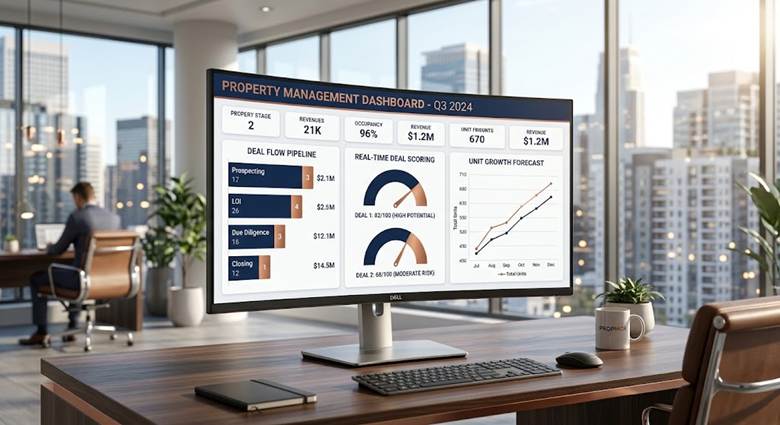
The Shift to Revenue Intelligence in Property Management
Legacy sales tracking focuses on retrospective data. You look at what closed last month, log a few calls, and hope your current open leads cross the finish line. Revenue intelligence flips this approach by analyzing live buyer signals, deal engagement patterns, and historical close rates to score your pipeline in real time.
Modern platforms aggregate communication touchpoints, email responsiveness, and intent signals to tell you which property owners are actually ready to sign. This eliminates the guesswork for your business development reps, letting them focus on high-probability portfolios while automating routine nurture campaigns for cold leads.
Integrating these capabilities requires looking beyond basic CRM features. Industry research shows that predictive AI models yield 83% revenue growth for teams leveraging real-time visibility over simple pipeline logging.
Core Features of Top Tier Pipeline Tools
To evaluate platform options properly, you need to know what features actually move the needle for property acquisitions. A solid platform must unify intent data, deal scoring algorithms, and automated revenue forecasting into a single operational view.
For a comprehensive evaluation of the market leaders, consult this overview of revenue intelligence platforms from ZoomInfo to evaluate how different engines process buyer intent and pipeline telemetry. Matching platform mechanics to your deal structure prevents your team from overpaying for unnecessary features.
Selecting the right software comes down to three operational capabilities:
- Automated deal scoring based on owner engagement signals
- Multi-variable revenue forecasting tailored for recurring management fee structures
- Dynamic pipeline health dashboards that flag stalled contract negotiations
When your acquisition reps have these mechanics running in the background, their weekly pipeline reviews shift from defensive status updates to proactive deal strategy sessions.
Tool Consolidation and Modern Stack Efficiency
Building an effective technology stack for property management acquisitions does not mean buying half a dozen single-purpose tools. Adding isolated point solutions for contact discovery, email tracking, and forecasting quickly creates data silos and inflates your software spend.
Recent market analysis indicates that the median enterprise tech stack dropped from 8.4 to 5.2 specialized tools as operational teams prioritize unified platforms over single-feature apps. Consolidating your intent tracking, deal scoring, and reporting inside a primary intelligence engine keeps your data clean. Your acquisition reps spend less time updating administrative records and more time pitching property owners.
Operationalizing Predictive Metrics for Property Managers
Integrating predictive intelligence into your day-to-day operations requires clear metrics tailored to real estate acquisition life cycles. Rather than tracking generic sales activities, property management leaders focus on lead velocity, historical owner conversation depth, and contract value variance.
Monitoring these indicators lets acquisition directors reallocate regional business development reps to high-yielding accounts before deals stagnate. High-performing teams set threshold alerts in their dashboard, flagging key opportunities when an owner prospect stops reviewing contract terms or delays site visits.
Building a Data-Driven Property Acquisition Strategy
Adopting a deal scoring and revenue intelligence platform is not just an IT upgrade; it is an operational shift. Transitioning your property management sales team away from spreadsheet forecasts takes clear alignment on what metrics define a qualified management lead.
Start by defining objective scoring criteria based on portfolio size, geographic density, and owner readiness. Feed those parameters directly into your revenue intelligence tool so the algorithm accurately ranks inbound and outbound opportunities.
Once you set your scoring baseline, schedule bi-weekly pipeline reviews to refine your deal-stage probabilities. Over time, your predictive accuracy will improve, giving executive management total clarity on future fee revenue, unit growth, and staffing requirements. For more on property management and renting, explore our internal guides on a range of relevant topics.





