



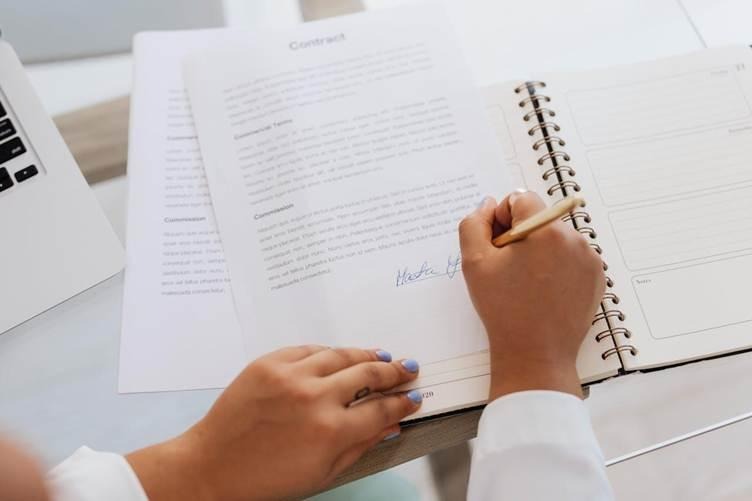
Renting in Atlanta can be complicated for both landlords and tenants, especially when it comes to cleaning fees, leases, or tenant rights and responsibilities.
Landlords have to find a balance between profit and legal compliance. Meanwhile, tenants also need to know their obligations before moving in. A property management company can make life easier by performing tenant screenings and managing maintenance on your behalf.
Whether you own a property that you're leasing or you're renting a home, read this guide as it can provide insights to help you navigate rental fees and other things included before signing the lease and moving in.
Can a Landlord Charge a Cleaning Fee After Move-Out?
Both landlords and tenants in Atlanta frequently clash over cleaning fees after move-out. Here's what Maryland law says and how to protect yourself:
For Tenants:
Lease Terms Matter
The lease agreement serves as your first line of defense. Only if required in the house, cleaning fees are allowed by Maryland law. "Normal wear and tear," such as dull paint or scuffed floors, cannot be deducted from the deposit. Before you sign, read the move-in and move-out condition requirements to avoid unpleasant surprises.
Document Everything
To protect yourself, remember to inspect and document the condition of the property thoroughly. Fill out a move-in/move-out checklist, which is required of landlords to provide in Atlanta. Take time-stamped photos, dates of multi-media recordings, which can be helpful. If damage is claimed by the landlord, having documented evidence is crucial to present in order to protect yourself as a renter. If you do not have evidence, you will likely lose some or all of your security deposit, regardless of whether you believe the charge is fair.
Fighting Excessive Fees
Anytime you think the fees you are being told to pay are excessive, be sure to request an itemized receipt with documentation that shows all the deductions with an explanation. Landlords need to provide you with the listed actual costs on all deductions.
When disputes arise about fees, there is a limit to the amount that Maryland tenants can file in small claims court. Judges often side with tenants when landlords fail to prove that their damages were properly deducted or are charging for normal wear and tear.
For Landlords:
Set Clear Expectations
By detailing cleaning standards in your lease agreement, you can avoid discrepancies. Write out cleaning requirements and include sentences like "require professional carpet cleaning" or "appliance deep-cleaning".
You can even provide the tenants with the Atlanta "cleanliness checklist" at the time of move-in. Having clear expectations reduces the likelihood of disagreements and makes sure tenants understand their responsibilities before leaving the property.
Protection
Always keep a copy of itemized receipts from any cleaning work you deducted from the security deposit. Maryland law requires that all fees deducted represent actual costs only. You cannot charge arbitrary amounts.
If the tenant disputes your cleaning charge, appropriate documentation protects you from liability. Remember that deductions are only for damages above normal wear and tear, not day-to-day maintenance of the property, or for minor damages such as nail holes from creating a wall gallery.
Avoid Disputes
Having tenants present during a move-out walkthrough allows both parties to address issues jointly. Moving out is often a stressful time for tenants; by being open and transparent while you document problems together, you encourage the kind of trusting relationship that lessens disagreements when they move out.
Under Maryland State Law, a landlord has 45 days to provide a written accounting of the deposit after the end of the lease. If you don't do this within 45 days, you will forfeit your right to withhold any money from the deposit. It is imperative to stay in touch with tenants and maintain timely communication and proper walkthroughs to ensure seamless tenant transitions.
Pro Tip: Professional Atlanta property management services help landlords maximize rental income while ensuring tenant satisfaction. They can help manage such situations and ensure compliance with the regulations.
Complete Guide to Renting Out Your House
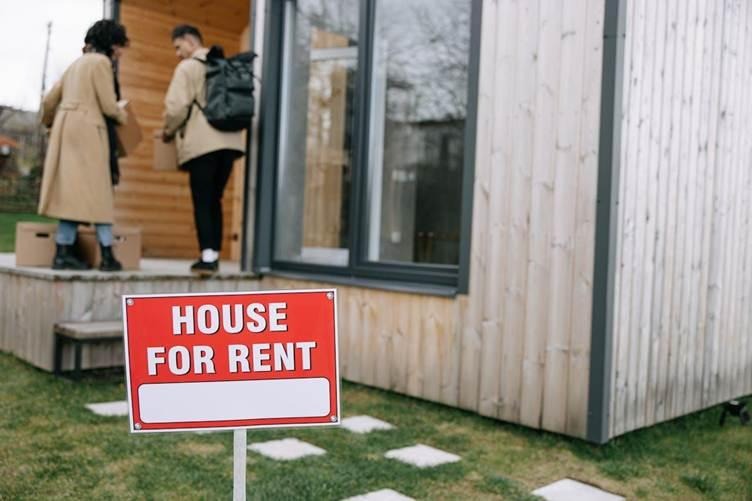
A complete guide to renting out your house covers everything from setting rent to screening tenants and handling maintenance. Follow this guide to maximize returns while meeting all Maryland landlord obligations.
Pre-Listing Steps
Before listing your property for rent, ensure that you check and understand the current rental rates in your Atlanta area. Determine whether there are any local laws or ordinances in your area and obtain a rental license, and provide the federally regulated lead paint disclosures if your home was built before 1978.
Test and check smoke detectors, inspect for safety hazards, and consider hiring a home inspector before listing the property for rent. Taking the time to prepare your property properly can prevent legal situations, and position you to attract qualified and high-quality tenant(s). Take photos of the property in its current condition for the records (you may want to refer to these photos when the tenant moves out).
Tenant Screening
Properly vetting tenants protects your investment. You will want the applications to be complete before conducting credit and background checks (with written consent). You will also want to verify employment and income. For example, most landlords in Maryland require gross earnings to be at least three times the rent owed. Lastly, you should contact previous landlords to verify their rental history.
As a landlord, you also want to steer clear of discrimination in tenant screening. Therefore, it's best to stick to a set of standards uniformly applied to every applicant. It can take a bit of time to screen an applicant; all of this is an investment that should reduce your long-term risk for absent rent, property damage, and eviction.
Lease Essentials
A comprehensive lease is your legal safeguard, and it includes:
● Rent amount, due dates, and late fees
● Security deposit terms (maximum 2 months' rent in Maryland)
● Maintenance responsibilities (tenant vs. landlord)
● Utility payment allocations
● Lease termination/ renewal terms
● Rules on subletting, pets, and smoking
Maryland has laws about leasing language, especially with eviction procedures and habitability standards. Consult a local attorney or property manager to ensure you comply with these laws.
Once your lease is fully executed, provide your tenants a copy of the lease signed by both you and the tenant, and maintain a copy for your records. Well-defined terms in the lease can help limit misunderstandings and provide recourse if you and your tenants reach that point.
Maintenance & Repairs
Prompt maintenance preserves property value and tenant satisfaction. Maryland landlords are responsible for keeping their properties in a habitable condition (e.g., heat, plumbing). It is important to respond within 24-48 hours for repair requests and immediately for emergencies and repairs.
Document every repair and communication with tenants and schedule seasonal maintenance (servicing for the HVAC system, or gutter cleaning) to avoid costly emergencies.
You can only withhold a portion of the tenant’s security deposit for damages beyond normal wear and tear, not for normal maintenance or repairs. Proactive maintenance allows for less vacancy, less legal risk, and a good relationship with tenants.
Common Mistakes to Avoid
Both landlords and tenants are prone to unnecessary mistakes that can create disputes or monetary loss. Once landlords and tenants acknowledge these mistakes beforehand, they can preserve rights, save money, and have excellent rental relationships in Atlanta..
Landlord Mistakes to Avoid
Some landlord mistakes to be avoided include:
● Not Conducting Regular Inspections: Conducting inspections at least quarterly (after giving appropriate notice) will help you discover maintenance issues sooner. Neglecting regular inspections allows small issues to turn into expensive repairs.
● Using Non-Specific Lease Language: Non-specific, generic language about fees, repairs, or rules leaves everyone wondering. Always use specifics such as "the unit will need to be cleaned professionally" or "the tenant will take care of the lawn if it needs it."
● Delaying Repairs: Not responding to the tenant's maintenance requests could violate Maryland's habitable laws. It can also give tenants more reason to pursue a lawsuit against you. Always respond to every repair request in a timely way.
● Failing to Carry out Tenant Screening: Wanting to fill a vacancy so quickly can lead to a problematic tenant. Always verify income, make sure to complete background checks, and contact references.
Tenant Mistakes to Avoid
On the other hand, tenants can avoid the following mistakes for a smoother renting experience:
● Neglecting to Read the Lease: It can be costly to sign a lease without understanding the terms for fees, subletting, or maintenance obligations. Get clarification on any terms and all lease provisions that are unclear before signing.
● Not Documenting the Condition of the Unit on Move-In: Not documenting the condition of the unit (photos and checklist) can make it very difficult to dispute an erroneous deposit deduction later.
● Ignoring Maintenance Requests: Trivial or unimportant maintenance requests should be reported right away if your landlord has an obligation to perform. Failure to inform your landlord immediately could add up to more damage, which can result in you being liable for repairs.
● Improperly Withholding Rent: Maryland tenants cannot withhold rent for repairs without adhering to legally prescribed procedures. (i.e., paying rent into escrow). Incorrectly withholding rent could result in an eviction.
Consider these mistakes and similar ones to ensure the renting experience is both legal and mutually beneficial for both the tenant and landlord.
Conclusion
Understanding and managing rentals in Atlanta means doing your due diligence and knowing the system from the perspective of both landlords and tenants. By understanding the cleaning fee, lease obligations, and who is responsible for what, you can avoid expensive disasters.
Landlords also need to provide clear and concise communication, properly screen tenants, and maintain their properties on time. For tenants, take pictures and document the condition of the rental property when you receive it, while educating yourself about your rights as a tenant under the lease.
Therefore, whether you are renting a home or leasing a property, following these best practices should ensure that you have a fair and less stressful experience.





