



Property gates play a central role in how residential and commercial spaces manage access, present their identity, and support daily routines. Modern gate designs reflect changing expectations around safety, appearance, and convenience. Buyers no longer look at gates as simple barriers. They want systems that integrate technology, stand up to repeated use, and align with architectural style. Reliability has become a deciding factor, especially for properties with frequent traffic or higher security needs. The following sections explore the defining features that shape dependable gate designs today, with attention to performance, materials, and usability.

Automatic Gate Systems
Automatic gates represent one of the most sought-after features in current property design, particularly for sites that value controlled access without constant manual effort. These systems rely on motors, sensors, and control units that coordinate smooth opening and closing cycles throughout the day. Property owners often assess drive mechanisms such as sliding or swinging styles based on space, terrain, and usage frequency. A well-designed automatic gate responds quickly to commands, maintains consistent movement, and resists strain from repeated operation. Many buyers research installation options on their site when comparing control panels, remote access methods, and compatibility with existing infrastructure. Attention to power supply, whether mains or battery supported, contributes to dependable operation during varying conditions. Modern automatic gates suit both private homes and large facilities, offering convenience without compromising structural integrity.
Structural Integrity and Materials
Reliability begins with the physical build of a gate. Materials influence durability, resistance to weather, and visual impact. Steel remains a popular choice for strength and longevity, especially when treated with protective coatings. Aluminum attracts interest for lighter-weight installations where corrosion resistance matters. Timber gates continue to appeal for traditional settings, provided the wood receives proper treatment and regular care.
Designers focus on frame construction, weld quality, and joint reinforcement to prevent sagging or misalignment over time. Hinges and tracks receive particular attention since they carry most of the load during movement. Gates built with precision tolerances tend to maintain alignment longer, reducing friction and wear. Structural soundness supports automation systems too, since motors perform best when paired with balanced and stable gate leaves.
Safety and Compliance Measures
Modern gate designs address safety expectations set by regulatory bodies and user awareness. Reliable gates incorporate features that reduce risk during daily operation, particularly in areas with vehicles and pedestrians.
- Obstacle detection sensors that stop movement when resistance appears
- Soft start and soft stop functions that limit sudden motion
- Manual release mechanisms for use during power interruptions
- Warning lights or audible signals during operation
- Rounded edges and guarded pinch points to lower injury risk
These elements reflect a broader focus on responsible design. Gates that follow recognized safety standards tend to gain trust from property managers and insurers. Compliance reduces liability concerns and supports smoother inspections.
Access Control Technology
Access control defines how people interact with a gate. Modern systems offer a range of options beyond traditional keys. Keypads, card readers, intercoms, and mobile app integration allow property owners to tailor access rules. Commercial sites often link gate controls to broader security networks, aligning entry points with surveillance and logging systems.
Reliability in access control comes from consistent recognition and clear feedback. Users expect prompt responses without repeated attempts. Weather-resistant housings protect electronic components from exposure. Software stability matters too, since glitches can interrupt daily flow. A well-integrated access system balances security with ease of use, reducing frustration for residents, staff, and visitors.
Aesthetic Integration and Custom Design
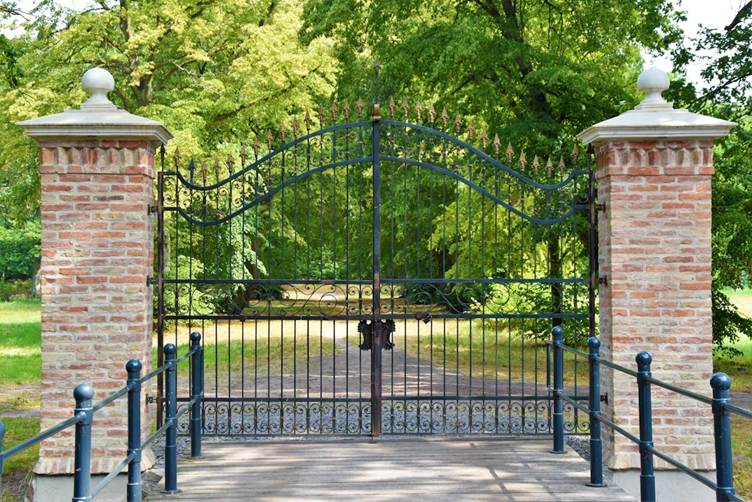
A gate often serves as the first visual impression of a property. Designers place value on how a gate aligns with surrounding architecture and fencing. Custom fabrication allows property owners to choose patterns, finishes, and colors that reflect their preferences. Modern manufacturing techniques support intricate designs without sacrificing strength.
Reliability connects to aesthetics through finish quality and coating selection. Powder-coated metals resist fading and chipping longer than basic paint. Treated timber maintains its appearance longer when sealed correctly. Visual consistency over time signals quality construction. A gate that looks good years after installation often reflects careful material choice and skilled workmanship.
Maintenance, Longevity, and Support
Reliability depends on how a gate holds up through daily use and environmental exposure. Designers account for maintenance needs during planning stages. Components that allow easy access for inspection and servicing reduce downtime. Lubrication points, adjustable hinges, and modular control units simplify routine care.
Support from manufacturers and installers influences user experience across the gate’s lifespan. Clear documentation, available spare parts, and responsive service teams build confidence. Gates designed with longevity in mind often carry warranties that reflect material quality and engineering standards. Regular servicing keeps systems running smoothly and extends operational life.
Reliable property gate designs reflect a blend of engineering, materials, safety awareness, and thoughtful aesthetics. From automatic systems that simplify access to robust structures that withstand constant use, each feature plays a role in overall performance. Property owners who evaluate these features closely often find solutions that meet practical needs and align with their vision for secure, functional spaces.