



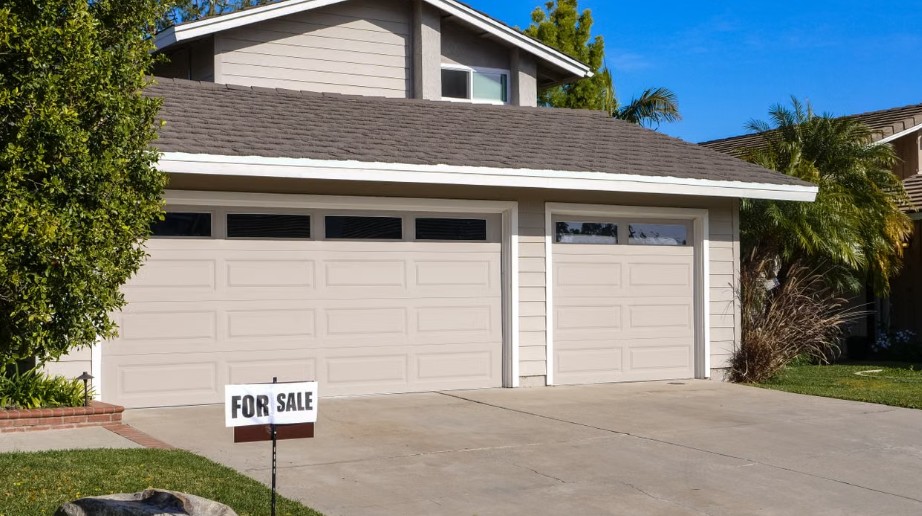
Think a standard home inspection is enough to protect your next investment?
It's not even close.
Yeah, a home inspection is a good place to start. However, it's a visual inspection. The inspector walks the property, sees what he can and writes a report. They do not open walls. They do not perform load calculations. And they won't tell you if a beam is about to collapse.
Here's the problem:
Many buyers aren’t even doing that much. 21% of buyers waived their inspection contingency in September 2025. That number reached 30% in June 2022.
Smart investors do the opposite. They order more checks, not fewer.
Inside this guide:
Why A Home Inspection Isn't Enough
The Structural Assessment
Sewer Line Scopes
Environmental Testing
Specialist Roof Inspections
Zoning, Permits & Code Checks
Why A Home Inspection Isn't Enough.
A general inspector is a general practitioner. They have knowledge of many things. But they don't know anything in depth.
That's ok for an initial glance. It's not ok when you are wagering hundreds of thousands (or millions) of dollars.
Many inspection reports contain sentences stating "recommend further evaluation by a qualified professional." That is the inspector notifying you it is beyond their scope.
Don't ignore those lines. They are your roadmap for what to order next.
Start With A Structural Assessment
A building's structure is its skeleton. If the foundation, beams, or load-bearing walls are messed up, nothing else will matter. And these issues are not inexpensive to repair. The average foundation repair costs $5,200 on an average sized home -- and that's not getting into commercial builds.
Commercial structural engineering goes up another level when it comes to multifamily, mixed-use and retail buildings. A structural engineer will analyze how loads are transferred throughout the structure, inspect the framing and foundation for cracks/settlement and compare existing conditions to current building codes. Investors who bring in professional structural engineering services before closing can receive a written report they can use to negotiate price, request repairs or walk away from a bad investment.
So what does a structural engineer actually look for?
Foundation cracks, heaving or settlement
Sagging floors and roof lines
Damaged or undersized beams and joists
Unpermitted changes to load-bearing walls
Pre-existing buildings require retrofitting most urgently. Buildings in seismic or flood zones require it too, as do those on clay soil.
Pro tip: Engage your engineer early during due diligence. They are often in high demand so you don't want to run out of time.
Scope The Sewer Line.
Here's something most buyers never think about.
The primary sewer line travels from your house to the city connection. Because it's underground, the regular inspector cannot see this line. Many older homes have issues with tree roots, cracked clay pipe or collapsed areas.
A sewer scope is nothing more than running a camera down your sewer line and videotaping what's inside. It's inexpensive, fast and can prevent unexpected headaches.
Why should you care? Sewer line replacement costs can quickly reach five figures. You are responsible for that bill when you close.
Test For Environmental Hazards
Some of the most dangerous problems are invisible.
Radon is a classic example. It is an odourless, colourless gas. The EPA estimates that 1 in every 15 homes in the U.S. have elevated radon levels. You can only know by testing.
For investors, an environmental check should cover:
Radon: a short test kit or a continuous monitor
Mold: air sampling if there's any sign of past water damage
Asbestos and lead paint: common in buildings built before 1980
Phase I Environmental Site Assessment: typically performed for commercial transactions, this assesses historical uses of the property and potential contamination.
Some commercial loan lenders require a Phase I anyways. Even if yours doesn't. Get one. Remediation can haunt the property owner. After closing. That owner is YOU.
Get A Specialist Roof Inspection.
A general inspector may inspect the roof from ground level or ladders only. That's insufficient.
A roofing contractor will physically walk the roof, inspect the flashing, examine drainage and provide an estimate of remaining useful life. When inspecting flat commercial roofs, some contractors will even perform infrared scans to detect moisture that has built up below the roof surface.
Why does this matter?
Roof age matters because it impacts your insurance rates and budget for repairs. Realizing you will need a completely new roof in 2 years alters your numbers drastically.
Check Zoning, Permits & Code Compliance
This one isn't physical, but it's just as important.
Get the permit history from the local building department. Compare it to what actually exists. That basement apartment, or additional unit? If it wasn't permitted, you may need to demolish it -- or pay to get it up to code.
After that, verify the zoning. Ensure what you plan to do with the property (rentals, accessory units, change of use) is permissible.
A great deal on paper can fall apart at the zoning office.
How To Fit It All Into Your Timeline
All of these reviews take time. And most contracts provide you with a very short due diligence period.
The quickest way to get it done is:
Book the general inspection the day the contract is signed
Schedule the structural engineer and sewer scope that same week
Start environmental testing right away (radon tests take 2-4 days)
Pull permits and zoning records online while you wait
Review every report together before your deadline
Yep. It's money in front. But a few grand in reports is pocket change compared to a six figure punch list after closing.
The Bottom Line On Smarter Due Diligence
A home inspection is where due diligence starts. It's not where it ends.
To quickly recap, smart investors order:
A structural assessment from a licensed engineer
A sewer line scope
Environmental testing
A specialist roof inspection
Permit and zoning checks
Every report empowers you at the negotiation table -- or ready you to walk away. Do the work now and your investment will reward you for years.
Frequently Asked Questions
What is commercial structural engineering?
Commercial structural engineering involves engineering design and analysis of commercial structures. This typically includes office buildings, retail units and apartment buildings. Structural engineers ensure the structure is safe by checking the foundation, framing and load paths prior to purchase.
How much does a structural assessment cost?
It really depends on what size property you are looking at. One report for a single house is nowhere near as expensive as one for a massive commercial building. Either way it's cheap compared to some big repairs.
Can you do these checks after closing?
Sure you can, but you lose all negotiating power. Prior to closing, a bad report can be used to negotiate or walk away. After closing, the problem is yours to deal with.





