



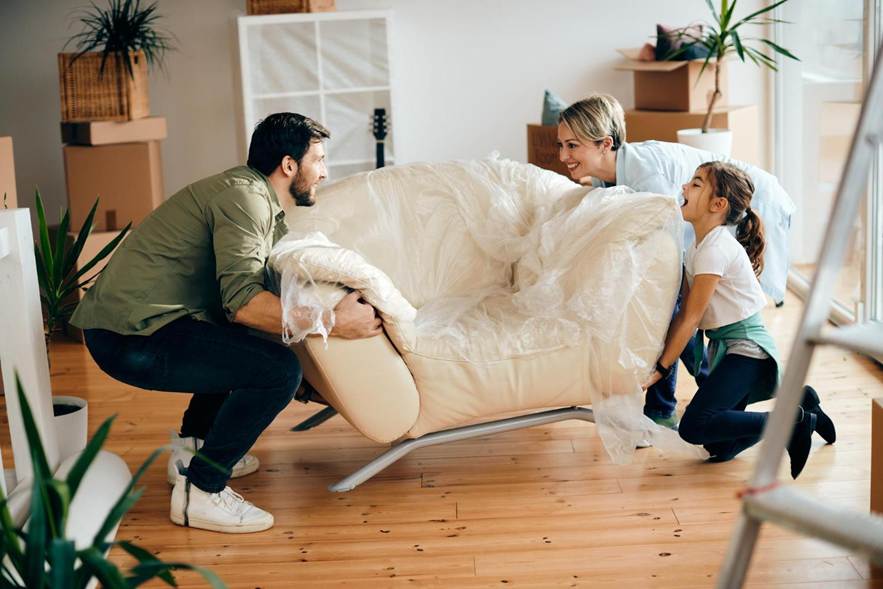
Moving between apartments rarely goes according to the plan. The new place falls through and you need somewhere to stay for six weeks. The lease end dates do not line up and you have two weeks of overlap that either requires paying double rent or finding somewhere to put everything. The new apartment is smaller than the old one and you need to work out which furniture actually fits before you commit to getting rid of the rest. These gaps and uncertainties are where furniture damage happens: things moved hastily, stored temporarily in conditions they were not designed for, or shifted multiple times before they reach their final destination.
A self-storage unit bridges the transition cleanly and, done right, delivers your furniture to its next location in the same condition it left the last one. The key is understanding what furniture actually needs in storage and which habits protect it.
Why furniture gets damaged between moves
Most furniture damage during transitions does not happen in the moving truck. It happens in storage, or in the temporary arrangements that substitute for it. Furniture left in a garage or outdoor space is exposed to humidity cycles that cause wood to swell and contract, fabric to absorb moisture and develop mildew, and mechanisms in recliners and sofa beds to corrode. Pieces stacked without protection press against each other and transfer scratches, imprints and pressure damage over weeks.
The specific enemies of upholstered furniture in uncontrolled environments are moisture and temperature extremes. A sofa stored through a humid summer in a non-climate-controlled space will emerge with a different smell and potentially with mould on the underside of the cushions. A wooden dining table stored where temperatures swing dramatically will develop cracks as the wood movement exceeds what the joints and finish can accommodate.
Choosing the right storage environment
The choice between climate-controlled and standard storage units matters more than unit size for most residential furniture. Climate-controlled units maintain consistent temperature and humidity year-round, which is what upholstered furniture, wood furniture and electronics require for extended storage. Standard drive-up units are appropriate for items that are not temperature-sensitive: garden equipment, sports gear, plastic bins of seasonal items.
Facilities like Top Storage Co, with locations across Tennessee, Alabama and Louisiana, offer a mix of climate-controlled and drive-up options with units ranging from 25 to 300 square feet, giving renters the flexibility to match the unit type to what they are storing and the size to what they actually have. Online rental and 24-hour access mean the unit can be loaded and accessed at whatever pace the move requires.
Preparing furniture for storage
Preparation before the unit determines condition on the way out. Upholstered furniture should be clean and fully dry before storage. Any stains treated with water-based cleaners need to be completely dry rather than just surface-dry, because residual moisture in the fill material will cause mildew over weeks. Use breathable covers rather than plastic sheeting for sofas and chairs: plastic traps moisture beneath it and creates exactly the conditions you are trying to avoid.
Disassemble furniture where it can be done without damage. Table legs removed and stored alongside the tabletop take up less space, reduce the risk of breakage during movement and stack more safely. Bed frames should be disassembled fully. Cushions stored standing on edge rather than lying flat maintain their shape better under their own weight.
Packing the unit to protect everything
The arrangement inside the unit is as important as the preparation. Heavy items go on the floor; lighter and more fragile items go on top or on shelving if available. Furniture should not be stored directly on a concrete floor if humidity is a concern: a layer of wooden pallets or plastic sheeting lifts items above any moisture that might wick up through the slab.
Leave a central aisle so you can reach items stored at the back without moving everything at the front. Label every box on the side rather than the top so you can read labels when things are stacked. Store items you might need to access before the move is complete, an important document, a seasonal piece of clothing, toward the front.
Protecting specific furniture types
Sofas and sectionals stored on their sides save floor space but should be padded at the contact points where the frame rests on the floor. Wood furniture benefits from a light wax or polish before storage as a moisture barrier. Glass table tops and mirrors should be stored vertically, cushioned, and ideally wrapped in moving blankets secured with tape that does not contact the glass surface itself.
Electronics should always be in climate-controlled storage and ideally in their original packaging, or in double-walled boxes with foam padding at the corners.
The transition moment that makes a difference
The period between apartments is one of the highest-risk moments in a household's ownership of its belongings. The decisions made in those weeks, about what to store, where to store it and how to prepare it, determine what arrives at the new apartment intact and what arrives needing cleaning, repair or replacement. The American Moving and Storage Association (AMSA) recommends that renters undertaking a move with a storage gap treat the interim period as a planned phase of the move rather than an improvised bridging solution, citing furniture damage and lost or mislabelled items as the leading sources of cost and frustration in residential moves involving a storage interval. A unit in a clean, secure, climate-controlled facility with reliable access costs a modest monthly fee. The alternative, making do without one, costs more in the end.





