



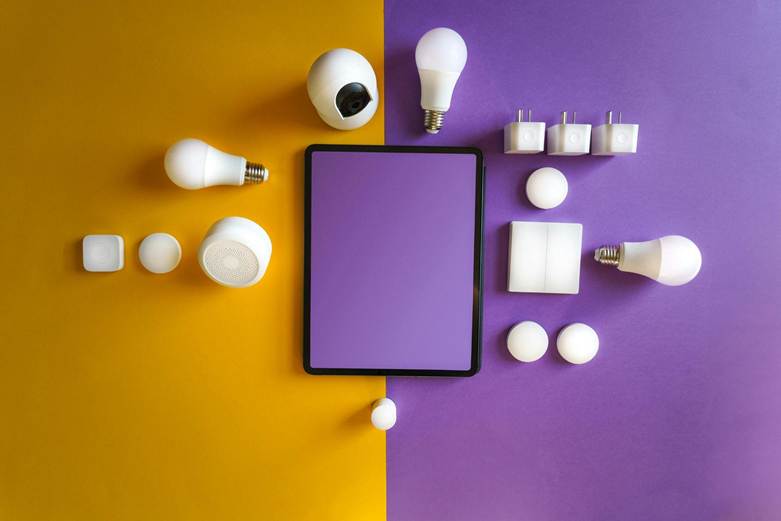
Imagine a mid-sized rental property where hallway lights stay on all night and vacant units glow like they are occupied. After a brief walkthrough, the owner installs occupancy sensors in common areas, timers in storage rooms, and daylight-responsive controls near large windows.
Within the first billing cycle, energy use drops noticeably, complaints disappear, and the savings are easy to track. What once felt like an unavoidable operating cost turns into a controllable expense, all through smarter lighting decisions that work quietly in the background.
Start with a Clear Lighting Baseline
Before swapping fixtures or adding controls, it helps to understand where electricity is actually going. Many owners assume hallways or parking areas are the biggest drains, only to discover smaller issues adding up across dozens of units.
A practical lighting audit usually focuses on a few core areas:
- Common spaces such as corridors, stairwells, laundry rooms, and lobbies
- In unit fixtures that tend to stay on longer, including kitchens and bathrooms
- Exterior lighting around entrances, walkways, and parking areas
- Bulb types, wattage, and fixture age across the property
- Utility bills from the past twelve months to spot seasonal spikes
This baseline gives you something concrete to measure against once upgrades begin. It also prevents overinvesting in areas that already perform reasonably well.
Understand the Core Smart Lighting Control Types
Once you know where the waste is happening, the next step is choosing the right tools. Smart lighting is not one product but a group of options for lighting controls that solve different problems.
The most practical control types for rentals include:
- Occupancy sensors that turn lights off when spaces are empty
- Timers that limit how long lights stay on in predictable areas
- Dimmers that reduce output without sacrificing usability
- Daylight-responsive controls that adjust brightness based on natural light
- Centralized panels that manage multiple zones from one location
Mixing these tools thoughtfully matters more than choosing the most advanced system on the market.
Match Controls to the Right Spaces
Not every area benefits from the same setup. Successful properties treat lighting as a room-by-room decision rather than a blanket upgrade.
In common areas, occupancy sensors tend to deliver the fastest returns. Stairwells, storage rooms, and shared restrooms often sit lit around the clock simply because no one remembers to switch lights off. Sensors remove that variable entirely.
Exterior spaces usually perform best with timers paired with daylight-responsive controls. This combination keeps lighting consistent for safety while avoiding unnecessary runtime during longer summer days.
Inside units, dimmers and simple timers often strike the right balance. Tenants keep control, but lighting no longer defaults to full power at all times.
Run a Pilot Before Going All In
One mistake rental owners make is rolling out changes everywhere at once. A pilot program limits risk and builds confidence.
A strong pilot typically includes:
- One building or floor with varied lighting needs
- A mix of common area and in-unit installations
- Clear documentation of installation costs
- Before and after meter readings or utility comparisons
- Tenant feedback on usability and comfort
After sixty to ninety days, the data usually tells a clear story. If savings and tenant response look good, expansion becomes an easier decision.
Educate Tenants Without Overloading Them
Smart lighting only delivers full value when tenants understand how it works. That does not mean long manuals or technical explanations.
Simple education efforts tend to work best:
- Short welcome sheets explaining what changed and why
- Clear labels near switches or dimmers
- A brief note on how lighting updates help keep rents stable
- Maintenance contact details for questions or adjustments
- Reminders that controls are there to support comfort, not restrict it
When tenants see upgrades as a benefit rather than a restriction, complaints drop sharply.
Adjust and Fine-Tune Over Time
Smart lighting works best when treated as a living system. Initial settings rarely stay perfect forever.
Seasonal changes in daylight, shifts in tenant behavior, and evolving safety needs all influence how lighting should behave. Periodic reviews help owners fine-tune sensor sensitivity, timer schedules, and dimming levels to keep savings steady without irritating residents.
Many Charlotte area owners schedule a simple annual walk through focused only on lighting performance. Small tweaks during these reviews often preserve savings that would otherwise fade quietly.
Why Smart Lighting Fits Rental Economics
Lighting upgrades stand out because they touch multiple goals at once. Electricity costs fall, maintenance workloads shrink, and tenants notice improved comfort.
For rental owners watching margins closely, smart lighting represents a practical step that delivers measurable results without complicated infrastructure or tenant turnover risks.