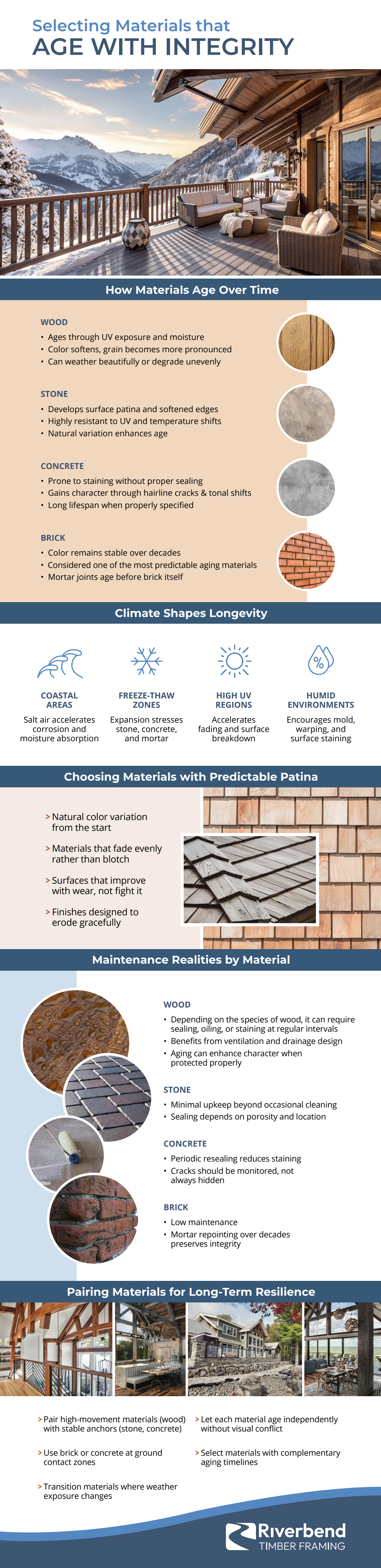



Property managers make material choices that affect maintenance costs, resident satisfaction, and long-term property value. Some materials look good at first but wear poorly, stain easily, or need frequent replacement. Others develop character over time while staying safe, functional, and attractive. Selecting materials that age with integrity means choosing finishes, surfaces, and building products that can handle daily use for years.
Focus on Durability First
Durability should guide every material decision in rental housing, multifamily buildings, and managed properties. High-traffic areas such as lobbies, hallways, kitchens, and shared spaces need surfaces that resist scratches, dents, moisture, and stains. Flooring is a major example. Luxury vinyl plank, tile, sealed concrete, and quality hardwood can perform well when matched to the right setting. Carpet may feel comfortable, but it often shows wear faster in busy areas. Choosing durable materials reduces replacement cycles and limits disruption for residents.
Choose Finishes That Hide Daily Wear
Materials do not need to look new forever to remain attractive. The best choices show age in a controlled, natural way. Matte finishes, textured surfaces, and mid-tone colors often hide scuffs better than glossy or very light finishes. For example, brushed metal fixtures usually show fewer fingerprints than polished metal. Stone with natural variation can hide small marks better than a flat, uniform surface. Wood with visible grain can handle minor wear while still looking intentional.
Consider Moisture and Cleaning Needs
Bathrooms, kitchens, laundry rooms, and entry areas face moisture every day. Materials in these spaces must resist water damage and support regular cleaning. Porcelain tile, quartz, sealed stone, and moisture-resistant wall finishes are practical options in areas exposed to spills or humidity. Grout, sealants, and caulking should also be selected with maintenance in mind because small failures can lead to larger repair costs. Property teams should choose materials that can handle approved cleaning products without fading, peeling, or breaking down.
Balance Style With Long-Term Use
Trendy materials can make a property feel current, but highly specific styles may age quickly. Neutral colors, classic textures, and simple design details often stay appealing longer. This does not mean every space must look plain. Accent materials can add interest without making future updates difficult. For example, a natural wood feature, textured tile, or quality lighting fixture can create warmth while still fitting a wide range of resident preferences. Long-lasting design supports both leasing appeal and lower renovation costs.
Work With Skilled Design Partners
Material performance often depends on proper planning and installation. Experienced builders, designers, and timber frame architects can help property owners select materials that fit the building type, climate, use patterns, and maintenance plan. Professional guidance can reduce costly mistakes, especially in major renovations or new construction projects. The right team can also identify where higher upfront costs may lead to lower long-term expenses.
Selecting materials that age with integrity is a practical investment in property performance. Property managers who choose materials with long-term use in mind can protect asset value, improve resident experience, and support more efficient building operations. Look over the infographic below to learn more.
Infographic Embed Code: