



Introduction
Many homeowners approach major home improvements with immediate needs in mind. A growing family may need more room to gather, a busy professional may want easier upkeep, or recent homeowners may be ready to personalize their property after moving in. While those short-term goals are important, the most successful projects are often planned with the next 10 to 20 years in mind.
Long-term thinking changes the way homeowners evaluate upgrades. Instead of focusing only on appearance, they begin asking different questions. Will this addition require constant maintenance? Will it still fit our lifestyle as our children grow older? Will it add lasting value if we eventually decide to sell? These considerations help prioritize improvements that continue paying dividends long after construction is complete.
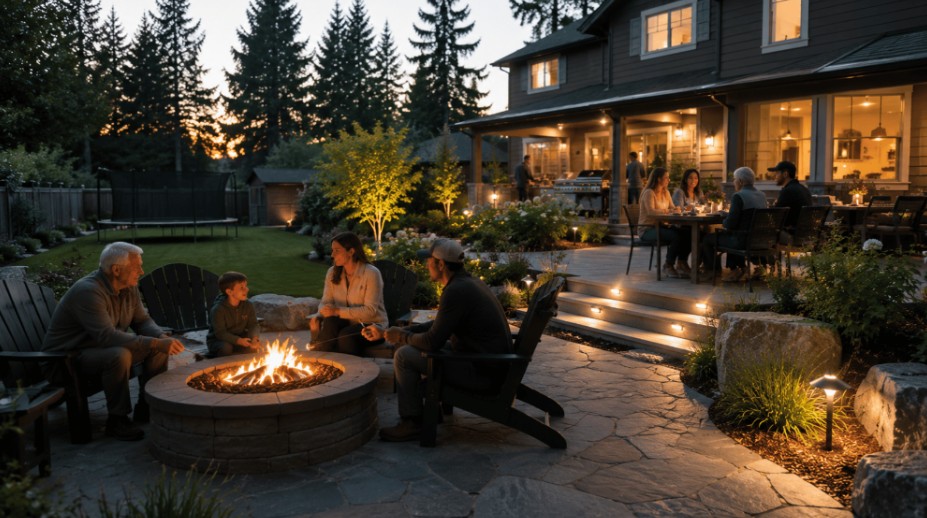
Outdoor living areas frequently rise to the top of that list because they influence how homeowners use their property every day. Whether enjoying quiet evenings outside, hosting family celebrations, or simply creating a more welcoming environment, thoughtfully planned exterior improvements often become some of the most appreciated investments a homeowner makes.
Rather than chasing design trends, homeowners who plan for the future tend to make decisions that balance functionality, durability, and everyday enjoyment.
Think Beyond Immediate Needs
One of the biggest mistakes homeowners make is designing around their current situation without considering how their needs may change over time.
For example, a young couple may eventually host larger family gatherings. Children who once played in the backyard may become teenagers who prefer outdoor entertainment spaces. Empty nesters often begin looking for lower maintenance solutions that allow them to enjoy their property without constant upkeep.
Planning with flexibility in mind helps prevent costly renovations later.
Questions worth asking before beginning any major project include:
How will we use this property five years from now?
What features will still be valuable after our lifestyle changes?
Which improvements require the least ongoing maintenance?
Which projects offer both daily enjoyment and lasting value?
Thinking ahead often leads to smarter investment decisions.
Focus on Improvements That Increase Everyday Living
Some renovations are only noticed occasionally. Others become part of daily life.
The most valuable home improvements often make everyday routines easier, more enjoyable, and more comfortable.
Examples include:
Creating Comfortable Gathering Areas
Families naturally spend more time together when there are inviting places to gather.
Whether sharing meals outdoors, celebrating birthdays, or relaxing after work, dedicated gathering spaces encourage homeowners to use more of their property throughout the year.
Improving Traffic Flow
Properties work better when movement feels natural.
Simple improvements can include:
Better connections between entrances
Defined outdoor seating areas
Safer walking routes
Easier access between different portions of the yard
Good design is often invisible because everything simply feels convenient.
Reducing Ongoing Maintenance
Many homeowners eventually prioritize simplicity over complexity.
Choosing durable materials and thoughtful layouts can reduce:
Lawn maintenance
Weed growth
Drainage problems
Surface deterioration
Seasonal repairs
Less maintenance means more time enjoying the property.
Consider the Return Beyond Property Value
Home improvement discussions often center on resale value. While increasing property value certainly matters, homeowners should also think about lifestyle return on investment.
Not every benefit appears on an appraisal.
Consider the value of:
Spending more evenings outside with family
Having space to comfortably entertain guests
Creating safer access around the home
Reducing weekend maintenance responsibilities
Feeling proud every time you arrive home
These daily experiences often provide greater satisfaction than financial return alone.
According to the National Association of Realtors' Remodeling Impact Report, homeowners consistently report high levels of personal enjoyment from exterior improvement projects in addition to potential resale benefits.
Plan Projects in Phases Instead of All at Once
Many homeowners assume outdoor improvements must happen all at once. In reality, some of the best projects are completed over several years through careful planning.
A phased approach allows homeowners to:
Establish an overall master plan.
Complete foundational work first.
Budget more comfortably.
Maintain consistent design throughout future improvements.
Avoid rebuilding completed work later.
This approach also allows families to adapt their plans as their needs evolve.
Professional planning becomes especially valuable because every phase can be designed to support future additions rather than limit them.
Prioritize Quality Over Quantity
When budgets are limited, homeowners sometimes feel pressured to include as many features as possible.
A better strategy is often to invest in fewer features built with higher quality materials and craftsmanship.
Benefits include:
Longer service life
Lower repair costs
Better visual consistency
Greater durability
Improved homeowner satisfaction
Quality construction typically provides better long-term value than trying to maximize the number of installed features.
Choose Materials That Age Well
Materials should be selected based on more than initial appearance.
Consider how products will perform after years of:
Rain
Seasonal temperature changes
Foot traffic
Sun exposure
Everyday use
Premium materials often maintain their appearance longer while requiring fewer repairs.
Homeowners planning gathering spaces frequently evaluate several outdoor living options before deciding which improvements best support their family's lifestyle. Many eventually invest in professionally designed Patios after identifying the areas where they spend the most time outdoors.
The decision is rarely about adding one feature. It is about creating an outdoor environment that continues serving the household for years to come.
Communication Matters More Than Many Homeowners Expect
Successful renovation projects depend on more than quality construction.
Communication often determines whether homeowners feel confident throughout the process.
Experienced professionals typically provide:
Clear project timelines
Regular progress updates
Transparent expectations
Material recommendations
Responsive communication when questions arise
These factors reduce uncertainty and help projects stay organized from beginning to end.
Think About the Entire Property, Not Individual Projects
The most attractive homes rarely feel like they were built one project at a time.
Instead, every improvement appears connected.
Homeowners benefit from considering:
Visual Consistency
Using complementary materials creates a cohesive appearance throughout the property.
Functional Relationships
Every improvement should support how the rest of the property functions.
For example:
Walking routes should connect naturally.
Gathering areas should feel accessible.
Drainage should support every completed phase.
Lighting should complement existing improvements.
Viewing the property as one complete environment leads to better long-term results.
For homeowners exploring broader outdoor design ideas and planning concepts, the National Association of Landscape Professionals offers educational resources covering residential outdoor planning and best practices.
Avoid Chasing Short-Term Design Trends
Design trends naturally change over time.
While modern styles can provide inspiration, homeowners often benefit from focusing on timeless design principles rather than temporary fashions.
Timeless improvements typically emphasize:
Clean layouts
Durable materials
Functional spaces
Balanced proportions
Practical usability
These characteristics remain attractive regardless of changing design trends.
A well planned outdoor environment continues feeling appropriate for decades rather than looking dated after only a few years.
Conclusion
Planning home improvements with a long-term perspective helps homeowners make decisions that continue providing value well into the future. Rather than focusing solely on immediate needs or popular trends, thoughtful planning emphasizes durability, functionality, quality craftsmanship, and everyday enjoyment.
The best investments are often the ones that quietly improve daily life. Comfortable gathering spaces, efficient layouts, durable materials, and cohesive planning create a property that works better for homeowners year after year.
Whether projects are completed all at once or over several phases, approaching improvements with patience and careful planning helps ensure every investment contributes to a home that remains welcoming, functional, and enjoyable for many years to come.