



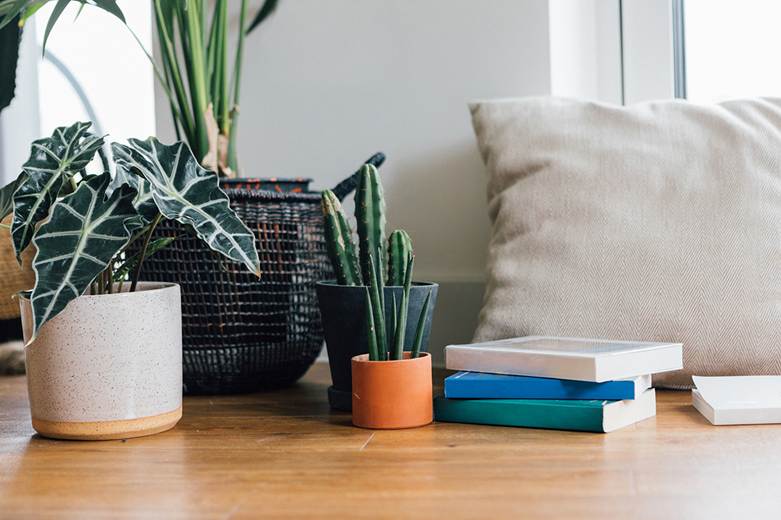
Modern homeowners and renters increasingly value living spaces that feel comfortable, calming, and connected to nature. Biophilic design focuses on incorporating natural elements into interior environments to support well-being and create a more inviting atmosphere. For property managers, understanding biophilic touchpoints can help improve the appeal of residential properties while creating spaces that residents enjoy spending time in.
Natural Light as a Design Feature
Natural light is one of the most effective biophilic elements in any home. Sunlight helps create a brighter environment and can make rooms feel larger and more welcoming. Large windows, glass doors, and open layouts help maximize daylight throughout the interior. Light-colored walls and reflective surfaces can also help distribute natural light more evenly. Residents frequently value homes that feel bright and connected to the outdoors, making natural light an important consideration in interior design.
Incorporating Living Plants
Indoor plants are among the most recognizable biophilic touchpoints. They introduce natural color, texture, and visual interest into a space while helping create a more relaxed atmosphere. Popular options include pothos, snake plants, peace lilies, and other low-maintenance varieties that adapt well to indoor environments. Plants can be placed on shelves, countertops, windowsills, or in common areas throughout a property. For multifamily communities, thoughtfully placed greenery in shared spaces can contribute to a more welcoming environment for residents and visitors.
Using Natural Materials and Textures
Materials inspired by nature help create visual warmth and comfort. Wood, stone, bamboo, cork, and natural fibers are commonly used throughout biophilic interiors. Wood flooring, stone accents, woven baskets, linen fabrics, and cotton textiles introduce organic textures that help soften interior spaces. These materials often complement a wide range of design styles, making them practical additions for many residential properties. Natural textures can be incorporated through furniture, decorative accessories, flooring, or architectural details.
Strengthening Visual Connections to Nature
Views of outdoor landscapes play an important role in biophilic design. Windows that overlook trees, gardens, water features, or green spaces help strengthen the connection between indoor and outdoor environments. When natural views are limited, artwork featuring landscapes, botanical prints, or nature-inspired photography can provide similar visual benefits. Property developers working with semi-custom home floor plans often consider window placement and room orientation to maximize access to outdoor views and natural surroundings.
Creating Comfortable Outdoor Transitions
Biophilic design extends beyond the interior itself. Transitional spaces that connect indoor and outdoor areas help create a stronger relationship with nature. Patios, balconies, screened porches, and garden-facing seating areas encourage residents to spend more time outdoors while maintaining convenient access to indoor living spaces. Even smaller outdoor areas can serve as meaningful extensions of the home. Thoughtful landscaping near entrances and shared community spaces can further support this connection.
Biophilic touchpoints offer practical ways to create homes that feel more inviting and connected to the natural environment. Features such as natural light, indoor plants, organic materials, outdoor views, and transitional spaces can enhance the resident experience while improving the overall appeal of a property. Check out the infographic below to learn more.
Infographic Embed Code: