



Hamilton’s rental market offers opportunities for property owners. But the fact is, success depends on more than collecting monthly rent. For instance, landlords need to understand local rental demand, Ontario tenancy laws, maintenance obligations, and property management costs. For instance, the rental income can vary by neighbourhood, property type, and proximity to transit, schools, and employment hubs.
How Much Rent Can Hamilton Landlords Charge?
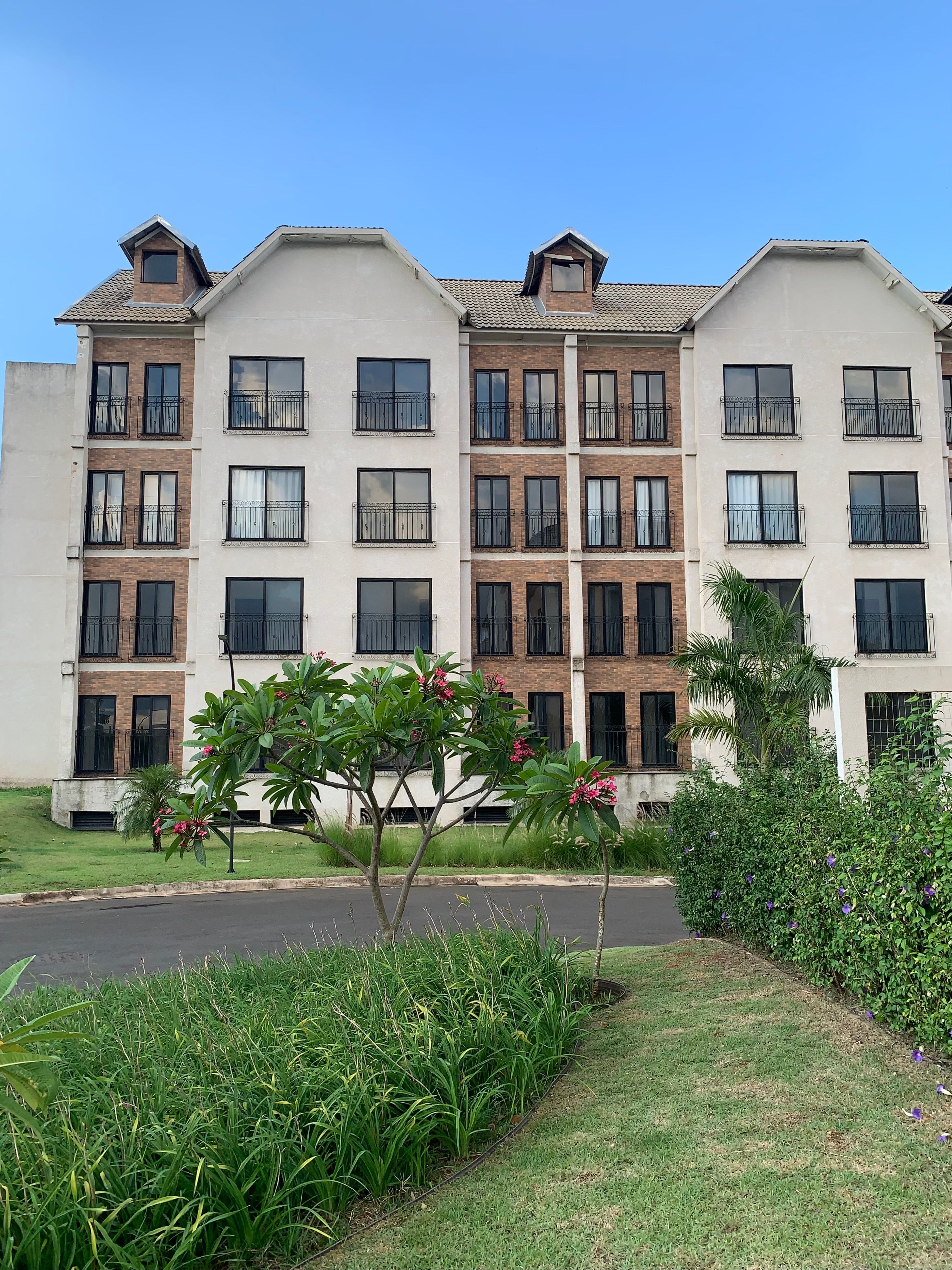
Hamilton landlords can generally set the starting rent when a new tenant moves into a vacant unit. Here, the average rent has reached $1,939 in June 2026. But it is lower than the previous count. According to the report, one-bedroom units averaged $1,680, but for the two-bedroom units, you can expect to pay around $2,255. Overall, the actual rents usually vary by neighbourhood, property type, and unit size.
Once a tenant moves in, Ontario's rent increase rules generally apply to units first occupied for residential use. For instance, the 2026 rent increase limit is 2.1% for these units.
For example, if a tenant pays $2,000 per month, the landlord can usually increase the rent by $42. This usually brings it to $2,042. But here is the thing that landlords must wait at least 12 months between increases. Also, you have to give tenants at least 90 days' written notice in a proper form.
What Rules Do Hamilton Landlords Need to Follow?
Hamilton landlords must follow Ontario's rental laws and Hamilton's local property rules. Here are some important rules you should know that cover rent increases, lease agreements, property maintenance, and evictions.
1. Ontario Residential Tenancies Act
Ontario's Residential Tenancies Act sets the main rules for most rentals in Hamilton. If a lease term conflicts with the law, take note that the law takes priority. Also, the Landlord and Tenant Board (LTB) handles many disputes between landlords and tenants.
2. Rent Increase Rules
You can generally increase rent only once every 12 months. Also, you have to give tenants at least 90 days' written notice using the proper form. The 2026 rent increase limit is 2.1% for most rent-controlled units. This is generally not subject to the 2.1% rent increase limit. However, landlords must still follow other rental laws.
3. Entry and Notice Requirements
You generally need to give tenants at least 24 hours' written notice before they enter the rental unit. You must clearly show the reason, date, and time of entry, between 8 a.m. and 8 p.m., in the notice you will give. But obviously, there could be exceptions, especially for emergencies and cases where the tenant consents to entry at the time.
4. Maintenance Obligations
You must keep the rental property in good repair and fit for people to live in. Also, tenants must know about a problem before moving in. Follow Ontario's maintenance rules and Hamilton's property standards.
If you are planning to provide heat facilities, Hamilton generally has imposed a rule to provide a minimum indoor temperature of 20°C from September 1 to June 15. All in all, ensure you address repair requests promptly to protect tenant safety and meet your legal duties.
5. Eviction Rules
You cannot evict a tenant simply by giving notice or changing the locks. You must use the correct notice. For instance, whenever it is required, you have to apply to the Landlord and Tenant Board, following all the legal process. If the LTB orders an eviction, take note that only the Court Enforcement Office (Sheriff) can enforce the order.
What Types of Rental Properties Are in Demand in Hamilton?

Hamilton tenants look for different features depending on their household, budget, and lifestyle.
Apartments and Condos
For apartments and condos, it is obvious that competition is strongest, especially in downtown Hamilton. Make your unit stand out with a clean interior, clear photos, and quick replies to inquiries. Also, before you set the price, ensure to compare similar rentals. An overpriced unit may sit vacant longer.
Townhomes
A townhome is suitable for tenants who need more space but do not want the cost of a detached house. Couples, roommates, and small families are highly attracted to this range. Before you rent, it is better to highlight features such as parking, a yard, and storage. Make it clear who handles lawn care, snow removal, and other maintenance.
Detached Homes
Detached rental homes remain in limited supply. This is especially in Ancaster, Dundas, and Waterdown, according to a local property manager. This is appealing for those tenants who are looking for extra space and privacy. But before you finalize, check applicants carefully. Explain who pays for utilities and handles yard work, snow removal, and repairs. Clear lease terms can prevent disagreements later.
Basement Apartments
Renting out a basement can give homeowners extra income. However, Hamilton has imposed rules if the tenant wants the additional dwelling units. For instance, building permits may be required. Before listing the unit, you may need to check local zoning, permit requirements, and safety standards. An unapproved or unsafe basement apartment can create problems with insurance and tenant safety.
Student Rentals
Student rentals can bring more turnover and summer vacancies. For instance, as a landlord, it is better if you set rent with the full year in mind rather than for one month. Check applicants carefully, and explain rules for noise and shared spaces. Also, consider asking for a guarantor where permitted.
Family-Friendly Rentals
Families often want extra bedrooms, nearby schools, parking, and access to parks and everyday services. Make sure to highlight these features in your listing and consider longer leases for tenants seeking stability. Keep the property in good condition and respond quickly to repair requests.
How Can a Real Estate Brokerage Help Hamilton Landlords?
A professional real estate broker like the one you will find at Michael St. Jean Realty can make renting out your Hamilton property easier. They compare similar local rentals to help you set a fair rent. This way, you can easily avoid pricing it too high or too low. The best is that the brokerage markets your property with quality photos, arranges viewings, and screens potential tenants.
It can also help prepare Ontario's standard lease and ensure rental notices follow the rules. Before you rent out a basement suite or another separate unit, the brokerage can help you check permit and licensing requirements. If you decide to sell later, it can explain how an existing tenancy affects the sale and which buyers may be interested.





