



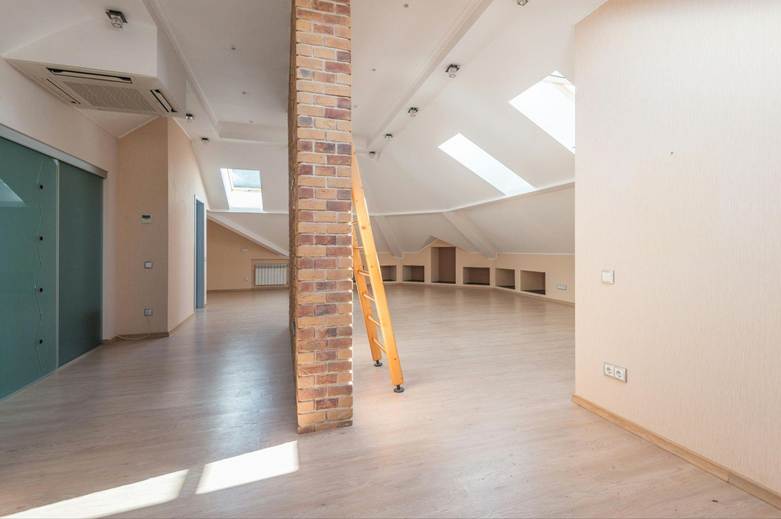
Let’s be honest, most of us do not think about the attic unless something goes wrong. It is one of those spaces that stays out of sight and out of mind. But ignoring it can lead to bigger problems than you might expect. In places like Birmingham, Alabama, where humidity and seasonal changes can affect your home, attic maintenance becomes even more important.
A well-maintained attic helps keep your home comfortable, lowers energy costs, and prevents unwanted surprises like leaks or pests. The good news is that you do not need to be an expert to take care of it. With a few simple checks and regular attention, you can avoid many common issues and keep your home in good shape.
1. Check for Signs of Pests and Wildlife Activity
Your attic can easily become a quiet shelter for pests and wildlife. It is warm, protected, and rarely disturbed, which makes it an ideal spot for animals and insects to settle in. You might not notice anything at first, but there are clear signs to watch for. Scratching sounds, droppings, chewed wires, or damaged insulation are all warning signals.
One issue that homeowners sometimes face is bee activity. Bees can build nests inside walls or attic spaces, and these colonies can grow quickly if left untreated. In this situation, you can turn to a honey bee removal service in Birmingham to handle the problem safely and prevent further damage to your home. Trying to deal with it on your own can be risky and may cause more damage.
Catching these problems early makes a big difference. It helps prevent damage to your home and keeps your family safe from potential health risks.
2. Inspect Insulation for Damage or Wear
Insulation plays a big role in keeping your home comfortable. It helps maintain indoor temperature by keeping heat in during winter and out during summer. If your insulation is damaged or worn out, your home may feel less comfortable, and your energy bills may rise.
Take a look at your attic insulation every now and then. Check for areas that look thin, uneven, or compressed. Moisture and pests can also damage insulation, so be sure to look for any signs of dampness or nesting.
If you notice any issues, it may be time to replace or upgrade your insulation. Fresh insulation can make a noticeable difference in comfort and efficiency.
3. Look for Roof Leaks and Water Damage
Water damage is one of the most common problems found in attics. Even a small leak can lead to bigger issues if it is not addressed quickly. Over time, water can weaken wood, damage insulation, and create a space for mold to grow.
Check your attic for signs like stains on the ceiling, damp spots, or discoloration on wooden surfaces. It is also a good idea to inspect your attic after heavy rain to see if any new leaks appear.
If you find any signs of water damage, it is best to act quickly. Fixing a small leak early can save you from expensive repairs later.
4. Ensure Proper Ventilation
Good airflow is important for a healthy attic. Without proper ventilation, heat and moisture can build up, which can lead to problems like mold growth or higher energy costs.
Check that your attic vents are not blocked by dust, insulation, or debris. Air should be able to flow freely in and out of the space. This helps regulate temperature and prevents moisture from getting trapped.
Balanced ventilation keeps your attic dry and helps protect the structure of your home.
5. Seal Gaps and Entry Points
Small gaps in your attic can cause big problems. They allow outside air to enter, which can affect your home’s temperature and increase energy costs. These openings can also give pests an easy way inside.
Look around areas where pipes, vents, or wires pass through the attic. Check the edges and corners for any visible openings. Sealing these gaps with proper materials can make your home more energy efficient and help keep unwanted visitors out.
This is a simple step that can have long-term benefits for your home.
6. Check for Mold and Mildew Growth
Mold and mildew can develop when moisture builds up in the attic. This is often caused by poor ventilation or leaks. Once it starts, it can spread quickly and create health concerns.
Look for dark spots on surfaces or notice if there is a musty smell when you enter the attic. These are common signs of mold. Small areas can sometimes be cleaned carefully, but larger problems may need professional help.
Keeping your attic dry is the best way to prevent mold from forming in the first place.
7. Keep the Attic Clean and Organized
A cluttered attic can make it harder to spot problems. It can also create hiding spots for pests and make inspections more difficult. Keeping the space clean helps you stay on top of maintenance.
Store items in sealed containers instead of leaving them exposed. This protects your belongings and reduces the chances of attracting pests. Make sure there is a clear path to walk through the attic safely.
An organized attic not only looks better but also makes regular checks much easier.
8. Monitor Energy Efficiency
Your attic has a direct impact on how much energy your home uses. If something is not right, you may notice higher heating or cooling costs.
Pay attention to changes in your energy bills. If they suddenly increase, your attic could be part of the problem. Poor insulation, air leaks, or ventilation issues can all affect efficiency.
By keeping your attic in good condition, you can help maintain steady energy use and avoid unnecessary expenses.
Taking care of your attic may not seem like a priority, but it has a big impact on your home. From preventing damage to improving energy efficiency, regular maintenance goes a long way. By paying attention to small details and acting early, you can avoid costly repairs and keep your home safe and comfortable for years to come.