



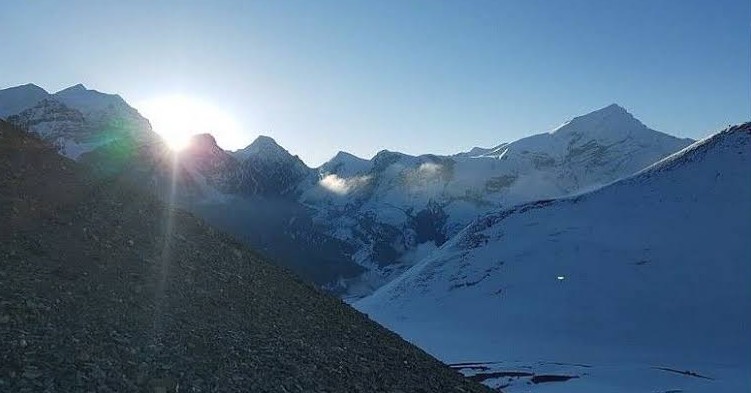
Most people who start researching the Annapurna Circuit Trek run into the same wall pretty quickly: too many blogs, too many conflicting numbers, and no real sense of what a normal day on this trek actually looks like. How long does it take? Is it realistic for someone who isn't a mountaineer? What happens at Thorong La Pass, and why does everyone talk about it like it's the whole point of the trip? Fair questions, and the honest answer is that the Annapurna Circuit rewards people who understand it before they book it, not after.
This trek is unusual because it doesn't stay the same for two days in a row. You start low, walking past terraced fields and river valleys, and within a week or so you're in dry, wind-scoured country that looks more like Tibet than Nepal. Villages change character as you climb. Forests give way to scrub, then to bare rock and gravel. The whole thing builds toward the crossing of Thorong La Pass, a high, cold, and genuinely memorable day that most trekkers rank as the hardest and best part of the route. This guide walks through the route, the altitude, the seasons, the costs, and the everyday practical stuff — food, permits, gear — so you can actually plan this properly instead of guessing.
Annapurna Circuit Trek at a Glance
Factor | Information |
Trek region | Annapurna, central Nepal |
Main attraction | Thorong La Pass |
Approx. highest point | 5,416 m |
Typical duration | Around 12–18 days, depending on route |
Starting point | Varies by itinerary |
Ending area | Commonly around Muktinath/Jomsom or onward |
Trek type | Tea-house/lodge trekking |
Difficulty | Moderate to challenging |
Main challenge | Altitude and long walking days |
Best seasons | Spring and autumn |
What Makes the Annapurna Circuit Trek Special?
Part of what keeps this route on so many trekkers' lists is that it doesn't ask you to pick one kind of scenery. Early on you're walking through subtropical forest, past waterfalls and terraced farmland cut into steep hillsides, with the kind of green that photos never quite capture. Push further and the trail climbs into Manang Valley, where the air thins out, the trees thin out too, and the landscape starts to feel almost lunar — dry ridgelines, scattered boulders, wind that means business.
The villages shift along with the terrain. Lower down you'll pass through communities that feel distinctly Nepali; higher up, particularly around Manang and toward Muktinath, the culture leans Tibetan-influenced, with prayer flags, mani walls, and small Buddhist monasteries tucked against the hillsides. Mountain views come and go the whole way — Annapurna, Gangapurna, and on clear days even glimpses that hint at Dhaulagiri — but nothing quite matches the payoff of actually standing on Thorong La Pass, looking down toward Muktinath and the arid folds of land that lead toward Mustang. It's a long, cold, slightly brutal morning to get there, and most people say it's worth every step. If the logistics of a trip like this feel like a lot to manage alone, plenty of trekkers choose to work with a local operator such as Action Nepal Treks to handle permits, guides, and accommodation rather than piecing it together on the fly.
Annapurna Circuit Trek Route and Itinerary
There's no single "correct" itinerary for the Annapurna Circuit, and that's honestly one of its strengths. Depending on where you start — road access has changed over the years and now lets trekkers begin further along the valley than the old classic route did — you'll typically pass through Dharapani, Chame, and Pisang before reaching Manang, which sits at a high enough elevation that most itineraries build in at least one extra night there just to let bodies catch up with altitude.
That Manang stop matters more than people expect. Rushing through it is one of the most common mistakes on this trek, and it's usually where altitude problems start if trekkers push too hard too early. From Manang, the trail continues up through Yak Kharka and Thorong Phedi, gaining height steadily in preparation for the pass itself. This stretch — Manang to Thorong La — is where pacing really counts; going slow here isn't a weakness, it's basically the whole strategy.
Crossing Thorong La Pass is usually done as an early-morning push, both because of weather patterns that tend to turn in the afternoon and because it's simply a long day. On the other side, the landscape drops into Muktinath, and the shift is almost jarring — greener, drier terrain gives way to the high desert character of the Mustang region. From Muktinath, most trekkers continue down toward Jomsom or further into the lower Kali Gandaki Valley, often finishing the trek there rather than walking all the way back out on foot, since road and flight options now shorten what used to be a much longer trek back in the day. All told, a realistic modern itinerary runs somewhere in the range of 12 to 18 days, though that number swings a fair bit depending on rest days, starting point, and how much of the lower valley you choose to walk versus drive.
Annapurna Circuit Trek Difficulty and Altitude
Calling the Annapurna Circuit "moderate to challenging" is accurate, but it undersells what actually makes it hard. This isn't a technical climb — you won't need ropes or crampons — but the combination of altitude, long daily walking hours, and repeated steep ascents and descents adds up in a way that catches people off guard. Fitness helps, but it's not the whole story; plenty of reasonably fit trekkers still struggle if they ignore acclimatization.
The altitude progression tells you most of what you need to know. Manang sits around 3,500 m. Thorong Phedi, the usual staging point before the pass, is closer to 4,450 m. The pass itself tops out at 5,416 m, and after crossing, Muktinath drops back down to roughly 3,800 m. That's a serious amount of elevation change in a short window, and altitude sickness is a real risk anywhere in this range — headaches, nausea, dizziness, and disturbed sleep are the early warning signs, and they're not something to push through. Gradual ascent, proper rest days, drinking more water than feels necessary, and being honest about symptoms rather than powering through them are what keep the trek safe. If symptoms get worse rather than better with rest, descending is the right call, not the last resort.
Best Time for Annapurna Circuit Trek
Spring (March–May) is a strong window for the Annapurna Circuit. Lower elevations are draped in rhododendron blooms, trail conditions in most sections are stable, and mountain visibility tends to be good, weather depending. It's a popular season, but not as packed as autumn.
Autumn (September–November) is generally considered the best overall stretch for this trek. Skies tend to be clearer, views of the Annapurna massif are usually at their sharpest, and the weather is more predictable. The trade-off is crowding — lodges fill up and the trail can feel busy in peak weeks, so booking or arriving early at guesthouses helps.
Winter (December–February) is workable but tough. Thorong La can become genuinely difficult or occasionally close depending on snow conditions, and high-altitude services thin out as fewer trekkers come through. Cold at elevation is no joke this time of year.
Monsoon (June–August) brings rain, mud, and landslide risk to the lower valleys, plus persistent cloud cover that can block mountain views for days. The upper Mustang side sits in something of a rain shadow and stays comparatively drier, but planning around the wider Annapurna Circuit in monsoon still takes care and flexibility.
Annapurna Circuit Trek Cost, Permits and Transportation
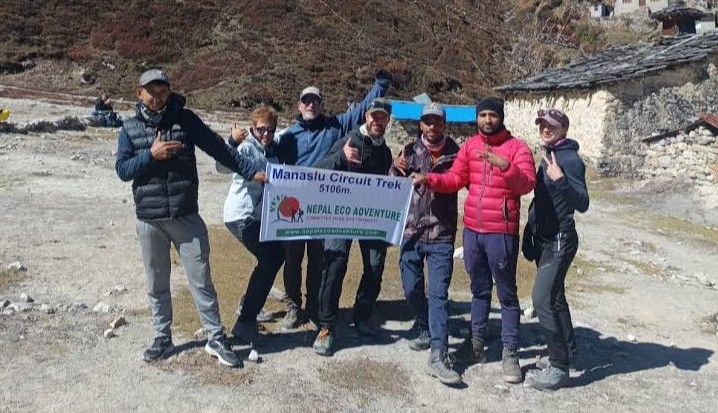
There isn't one honest number for what this trek costs — it really depends on how you put the trip together. The main cost buckets are permits, guide and porter fees if you hire them, accommodation, meals, transportation to and from the trailhead, travel insurance, and then the smaller stuff: charging devices, hot showers, Wi-Fi, and general spending money for snacks or souvenirs. It's also worth keeping some contingency funds aside — weather delays, transport changes, or an unplanned extra rest day at altitude can all add unexpected cost.
Itinerary length changes the total more than almost anything else, and so does service level — a fully guided and portered trip costs meaningfully more than an independent tea-house trek, though it also removes a lot of the logistical stress. Group size matters too; costs per person tend to drop when shared.
On the permit side, the Annapurna Conservation Area Permit (ACAP) is required for anyone entering the region, and TIMS (Trekkers' Information Management System) requirements have applied in various forms over the years. Because Nepal's trekking permit rules do shift from time to time, it's worth double-checking current requirements shortly before you travel rather than relying on older information.
Accommodation and Food on the Annapurna Circuit
This is tea-house trekking, meaning you're staying in small mountain lodges rather than camping, and honestly that's part of the charm. Rooms are basic — usually a bed, a blanket, maybe a small table — and bathrooms are often shared, especially the higher up you go. What most lodges do well is the dining room: a warm, communal space with a stove where trekkers from all over the world end up swapping stories after a long day. Availability of hot showers, charging outlets, and decent Wi-Fi tends to shrink as you gain altitude, and prices for these extras climb accordingly.
Food is fairly consistent throughout — dal bhat shows up on basically every menu and for good reason, since it's filling, often refillable, and gives you real fuel for the next day's climb. Beyond that, expect noodles, soups, rice dishes, potatoes cooked a dozen different ways, and eggs. Eating enough matters more than people think at altitude, since appetite often drops even as your body needs more energy, so don't skip meals just because you're not hungry.
Packing and Preparation
Packing for the Annapurna Circuit comes down to layering and preparation rather than bringing everything you own. For clothing, a proper layered system — moisture-wicking base layers, a warm mid layer, and a solid waterproof outer shell — covers most conditions you'll face from the warm lower valleys to the cold pass. Footwear matters enormously; trekking boots should be broken in well before you land in Nepal, with grip you actually trust on loose or icy ground.
On the health side, bring any personal medication you rely on, a basic first-aid kit, and proper sun protection, since UV exposure at altitude is stronger than most people expect. A reliable water bottle or hydration system supports the acclimatization process, which really just comes down to drinking more and climbing sensibly. For navigation, offline maps and a charged phone or power bank are worth having even if you're trekking with a guide. And don't forget the paperwork — passport, permits, and travel insurance details should all be easy to access, not buried at the bottom of your pack. What exactly you bring should flex depending on season and how long your itinerary runs.
Travel Insurance and Safety
Insurance for this trek needs to specifically cover high-altitude trekking, not just general travel mishaps. Look for a policy that includes emergency medical treatment and evacuation coverage appropriate to the elevations you'll be reaching, along with reasonable terms for trip interruption or cancellation. It's tempting to assume every policy covers helicopter evacuation from altitude, but that's not always true — read the actual wording rather than assuming, since gaps here are the kind of thing you really don't want to discover mid-trek.
Beyond insurance, staying flexible matters. Weather can shift quickly at these elevations, trail and road conditions change, and building slack into your schedule for delays is far better than arriving with a tight, inflexible plan.
Who Is the Annapurna Circuit Trek Best For?
This trek suits people who want a proper classic Himalayan experience — long days, changing scenery, real cultural exposure — and who are reasonably comfortable putting in multiple consecutive days of walking. If you're drawn to both the mountains and the villages along the way, not just one or the other, this route delivers both.
It's less suited, at least without extra preparation, to people who've never done multi-day walking or who go in without any real acclimatization plan. Treating it like a scenic holiday rather than a physical undertaking is where problems usually start. You don't need technical climbing skills for the Annapurna Circuit, but genuine fitness and a serious respect for altitude go a long way toward making the trip enjoyable rather than miserable.
Practical Tips That Make the Trek Easier
Pace yourself — walking slower than you think you need to is almost always the right call, especially in the days leading up to Thorong La. Don't race the pass; an early start beats a fast one. Build in some spare time for weather delays or transport hiccups, since rigid schedules and mountain trekking don't mix well. Carry some cash, since ATMs disappear the higher you go, and keep your permits and documents somewhere accessible rather than buried in your pack. Show basic respect around monasteries and local customs, and before you leave, take five minutes to check current trail and permit conditions rather than relying on last year's information.
FAQs
How many days does the Annapurna Circuit Trek take? Most itineraries run 12 to 18 days, depending on starting point, rest days, and how much of the lower valley is walked versus driven.
How difficult is the Annapurna Circuit Trek? It's moderate to challenging — no technical climbing, but long walking days and high altitude make fitness and acclimatization genuinely important.
What is the highest point of the Annapurna Circuit? Thorong La Pass, at 5,416 m.
Do I need a guide for the Annapurna Circuit Trek? It's not strictly required for every section, but many trekkers hire one for safety, local knowledge, and logistical ease, especially around permits and altitude decisions.
What is the best month to trek the Annapurna Circuit? Autumn (September–November) is generally considered strongest for clear views and stable weather, with spring (March–May) a close second.
How much does the Annapurna Circuit Trek cost? It varies widely based on itinerary length, guide/porter use, and service level — permits, accommodation, meals, and transport are the main components to budget for.
Can beginners do the Annapurna Circuit Trek? Yes, with the right preparation. It doesn't require technical skills, but beginners should train beforehand and take acclimatization seriously rather than treating it as a casual hike.